
10 Hidden LGBT+ Gems You Need to Visit in 2026
10 Hidden LGBT+ Gems You Need to Visit in 2026
Why LGBT Hidden Gems Matter More Than Ever
If you feel like every LGBT travel list looks the same, you are not imagining it. The same cities appear again and again, often without asking whether they still meet the needs of today’s travellers. In 2026, many LGBT+ people are looking for something quieter, more meaningful, and far less commercial.
That is why LGBT Hidden Gems are becoming so important. These destinations are not about rainbow crossings or packed club nights. They are about ease, authenticity, and feeling welcome without having to search for it. They offer culture, nature, and connection, often at a slower and more human pace.
Many of these places have long supported LGBT+ communities. They simply have not been marketed aggressively to queer travellers. Local acceptance exists, but it is understated rather than performative. For many people, that feels safer and more relaxing.
Another shift is happening too. Travellers are choosing destinations where their money supports local businesses, not global party brands. Hidden gems tend to reward curiosity.
They invite you to explore neighbourhoods, cafes, and landscapes that feel genuinely lived in. If you’re travelling alone, this kind of trip can feel even more rewarding with the right planning, so you may also like LGBT+ Solo Travel: Exploring New Destinations Safely.
This guide focuses on ten destinations that quietly deliver all of this. Each one offers comfort, charm, and a strong sense of place. None of them feel overexposed, even in 2026.
We start in Central Europe, with a city that surprises almost everyone who visits.
Hidden LGBT+ Gem #1: Ljubljana, Slovenia
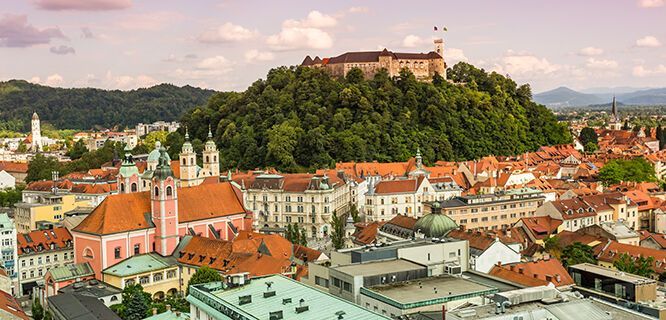
Ljubljana is often described as small, but that undersells its appeal. The city feels intimate rather than limited, with a walkable centre, leafy riverbanks, and a relaxed rhythm that suits LGBT+ travellers who want space to be themselves.
Slovenia has made quiet but steady progress on LGBT+ rights, and that progress is reflected in everyday life. Same-sex couples are a common sight in Ljubljana, especially around the old town and the university areas. Public attitudes tend to be respectful and low-key.
What makes Ljubljana special is how naturally inclusive it feels. There is no defined “gay district,” yet queer people are visible across the city. Cafes, bars, and cultural venues welcome everyone without fuss. That normalisation is deeply reassuring.
The city also punches above its weight culturally. Art galleries, independent theatres, and alternative music spaces create a creative atmosphere that attracts an open-minded crowd. Metelkova, a former military complex turned cultural centre, remains a focal point for queer-friendly nightlife and activism.
Beyond the city, nature is never far away. Lake Bled, alpine scenery, and wine regions are all within easy reach. That combination of urban comfort and outdoor beauty is rare. If you’d like a few more Europe-based ideas, our guide to Hidden LGBT+ Gems in Europe: Lesser-Known Destinations to Explore is a great next read.
How gay friendly is Ljubljana?
Ljubljana is discreetly but genuinely LGBT-friendly. While it is not a party destination, it offers safety, visibility, and a sense of belonging that many travellers value more than nightlife density.
Hidden LGBT+ Gem #2: Ghent, Belgium
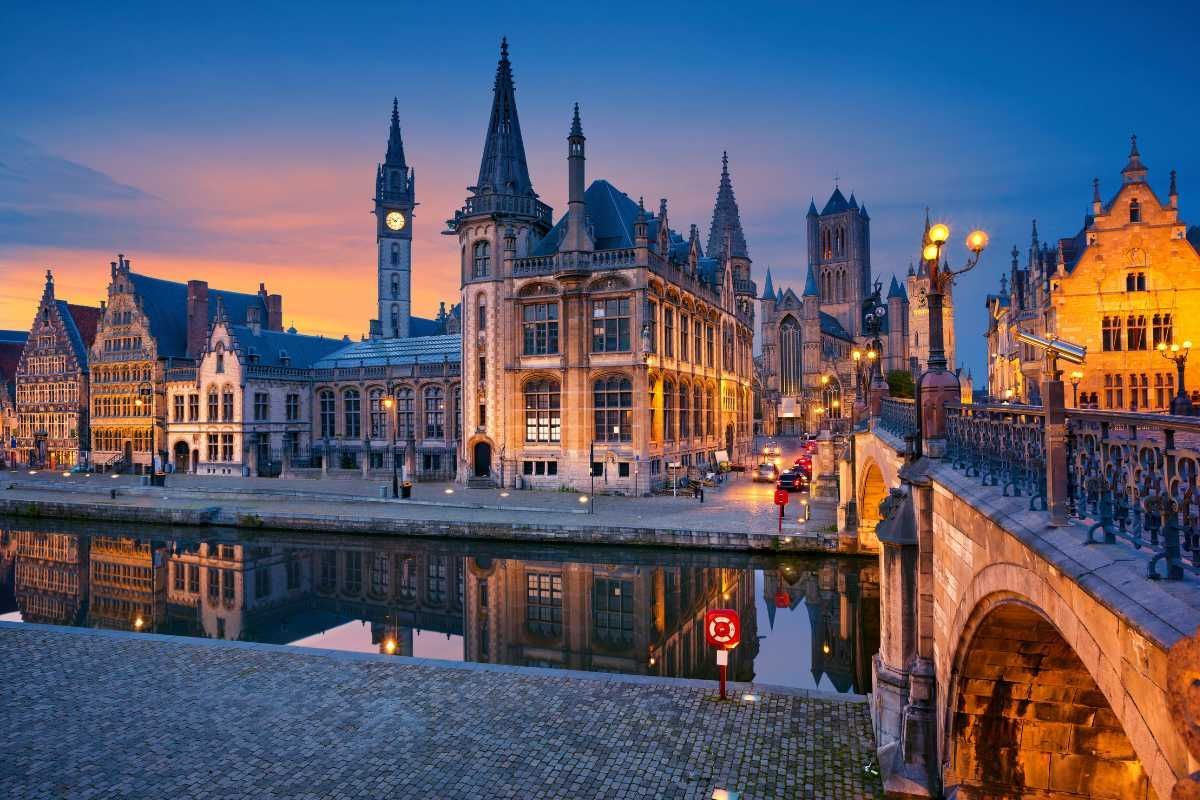
Ghent often lives in the shadow of Brussels and Bruges, but that is exactly why it belongs on this list. It is one of Belgium’s most progressive cities, yet it remains refreshingly under-touristed.
The city has a strong student population, which gives it a youthful and open atmosphere. That energy carries through to its LGBT+ scene, which is woven into everyday city life rather than confined to specific streets.
Ghent’s historic centre is stunning, but it never feels staged. Medieval architecture sits alongside modern cafes, independent shops, and queer-friendly bars. The result is a city that feels lived in and welcoming rather than performative.
LGBT+ travellers often comment on how comfortable they feel here. Public displays of affection rarely attract attention, and there is a strong culture of respect. Local Pride events exist, but they tend to be community-focused rather than commercial.
Food is another highlight. Ghent is known for its vegetarian and vegan scene, which aligns well with its progressive values. Dining out feels inclusive and relaxed, with plenty of options for different tastes and budgets.
How gay friendly is Ghent?
Ghent is confidently inclusive without being flashy. It is ideal for LGBT+ travellers who want culture, comfort, and a strong sense of everyday acceptance.
Hidden LGBT+ Gem #3: Salta, Argentina
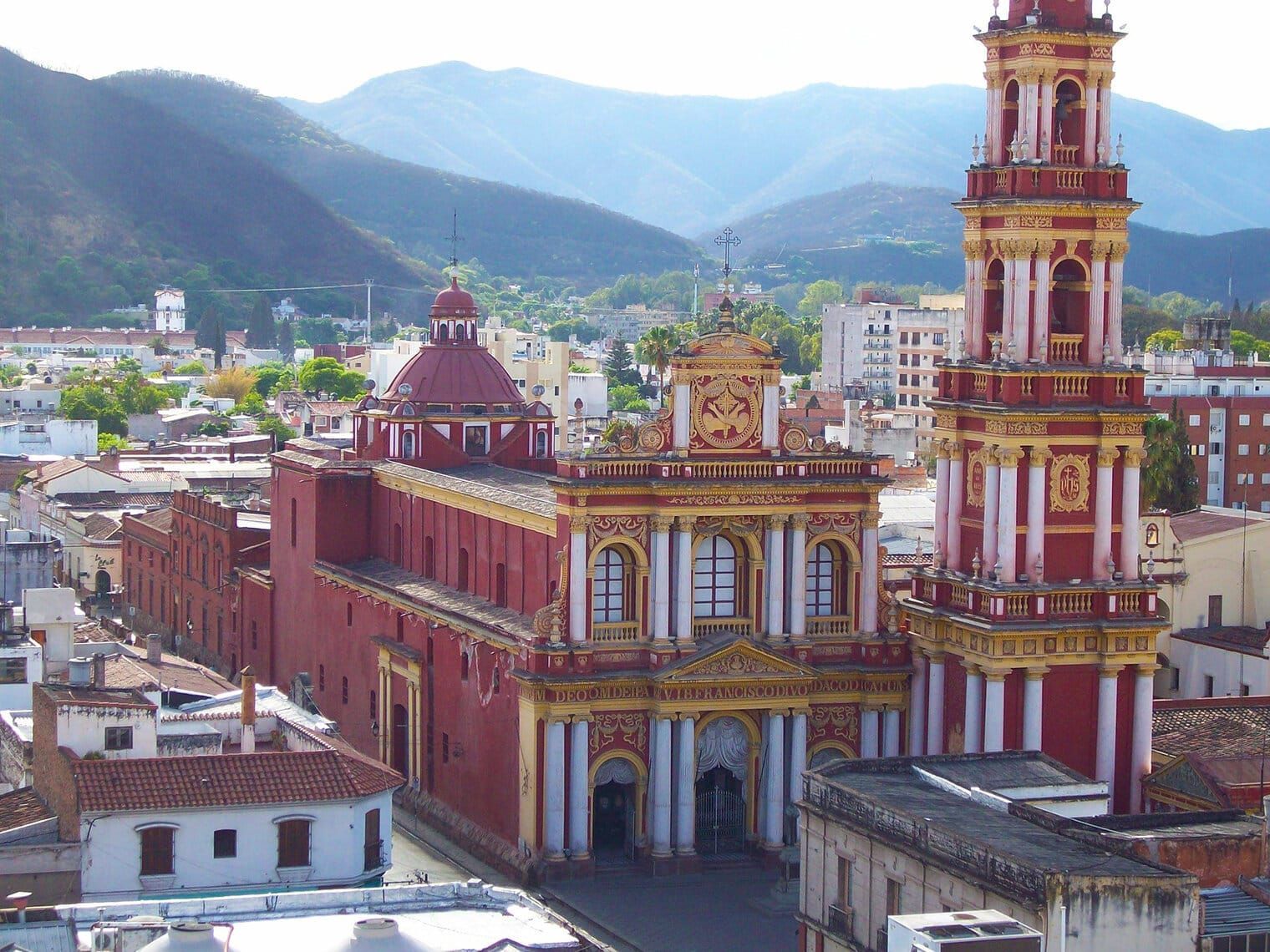
Argentina is widely recognised as one of Latin America’s most LGBT-friendly countries, yet most travellers never venture beyond Buenos Aires. Salta, in the country’s north-west, offers a completely different experience and remains firmly off the mainstream gay travel radar.
The city sits against a dramatic Andean backdrop, surrounded by vineyards, red rock valleys, and desert landscapes. It feels historic and soulful, with colonial architecture and a strong regional identity that sets it apart from the capital.
For LGBT+ travellers, Salta’s appeal lies in its calm confidence. Same-sex couples are generally accepted, especially in the city centre and cultural areas. While the queer scene is smaller than in Buenos Aires, it is close-knit and welcoming, often centred around inclusive bars and cultural events rather than clubs.
Salta also attracts a thoughtful, curious crowd. Many visitors come for the landscapes and gastronomy, which creates a relaxed environment where people mind their own business. That atmosphere can feel safer and more comfortable than places that rely on overt LGBT branding.
Day trips from the city reveal some of Argentina’s most breathtaking scenery. The Quebrada de Humahuaca and Cafayate wine region are particular highlights, offering unforgettable experiences without mass tourism.
How gay friendly is Salta?
Salta is quietly inclusive and benefits from Argentina’s strong legal protections. It is best suited to LGBT+ travellers who value culture, nature, and authenticity over nightlife.
Hidden LGBT+ Gem #4: Gdańsk, Poland
Poland is often misunderstood by LGBT+ travellers, and while caution is still important in some areas, cities like Gdańsk tell a more nuanced story. Located on the Baltic coast, Gdańsk is liberal, outward-looking, and shaped by centuries of international trade and cultural exchange.
The city has a strong sense of independence and resilience, which carries through to its social attitudes. Younger generations, in particular, are visibly supportive of LGBT+ inclusion. You will see rainbow flags in windows, inclusive messaging in cafes, and queer-friendly venues that feel genuinely safe.
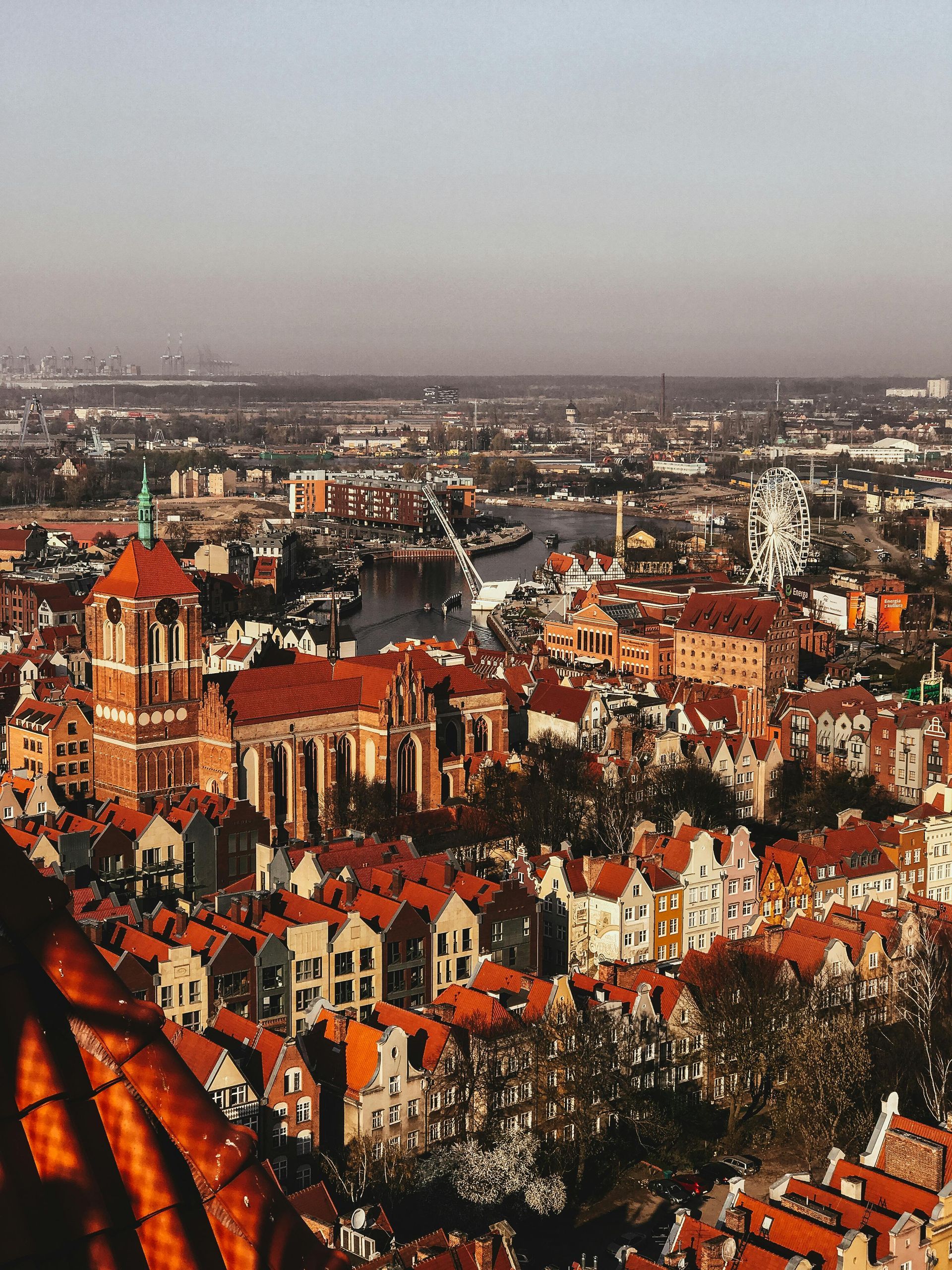
Gdańsk’s charm lies in its atmosphere. The rebuilt old town is beautiful without feeling artificial, and the waterfront areas are perfect for relaxed evenings. LGBT+ travellers often comment on how normal and unremarkable it feels to simply exist here, which is often the biggest compliment.
There is a small but active queer scene, including bars, cultural spaces, and grassroots organisations. Events tend to be community-led rather than commercial, which gives them a strong sense of purpose and warmth.
The nearby seaside town of Sopot adds another layer, offering beach days and summer energy without overwhelming crowds. Together, they create a balanced and rewarding destination.
How gay friendly is Gdańsk?
Gdańsk is one of Poland’s most LGBT-friendly cities. While discretion is still wise in certain contexts, most travellers find it welcoming, safe, and refreshingly honest.
Hidden LGBT+ Gem #5: Hualien, Taiwan
Taiwan is often recognised as Asia’s most LGBT-friendly destination, yet most travellers never look past Taipei. That is where Hualien quietly stands out as one of the most rewarding LGBT Hidden Gems in the region.
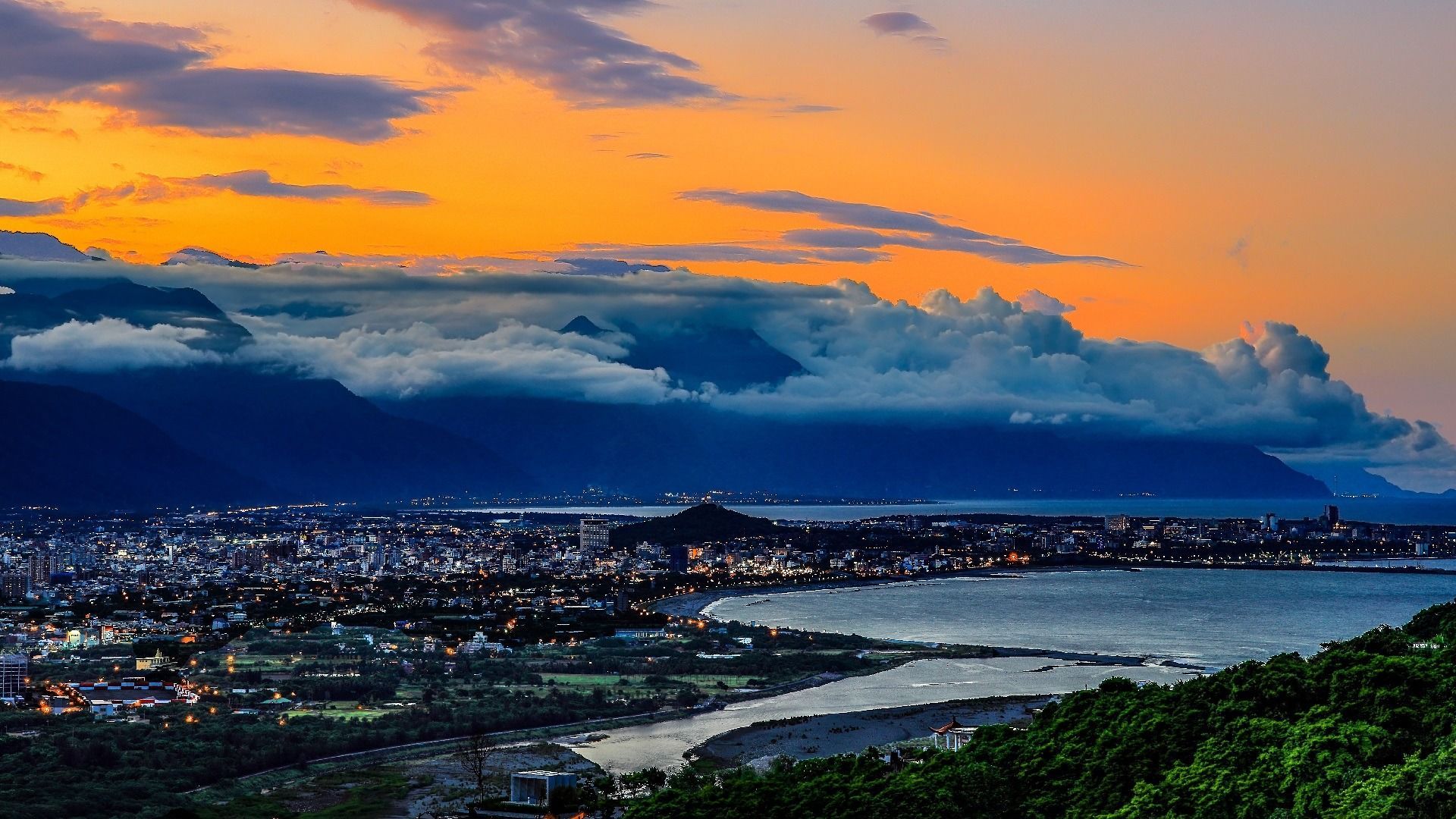
Located on Taiwan’s wild east coast, Hualien feels open, calm, and deeply connected to nature. Life here moves at a slower pace, which many LGBT+ travellers find refreshing after busy city travel. The local culture is warm and respectful, with a strong emphasis on hospitality.
Hualien does not have a visible gay scene in the traditional sense. Instead, it offers something arguably more valuable. Same-sex couples are treated with ease and neutrality, particularly in hotels, restaurants, and public spaces. That sense of everyday acceptance is common across Taiwan and extends naturally to this region.
The real draw is the landscape. Taroko Gorge National Park sits just outside the city, offering marble canyons, hiking trails, and dramatic scenery that feels almost unreal. Exploring it feels intimate and personal, especially compared to overcrowded natural attractions elsewhere in Asia.
Evenings in Hualien are gentle and social. Night markets, seaside walks, and small local eateries create an environment where you can relax fully without needing to hide who you are.
How gay friendly is Hualien?
Hualien benefits directly from Taiwan’s strong LGBT+ protections. It is extremely safe and comfortable for LGBT+ travellers, even without a defined queer nightlife scene.
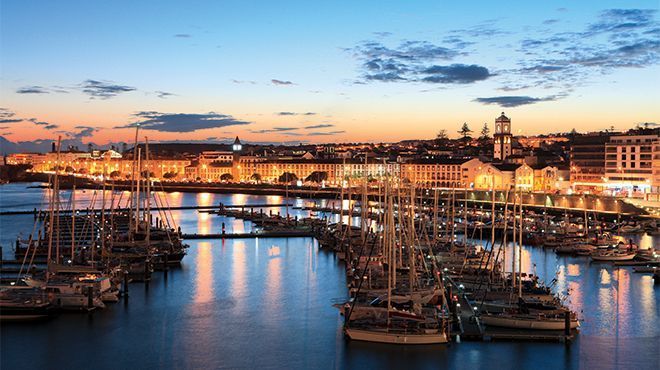
Hidden LGBT+ Gem #6: Ponta Delgada, Azores
When people think of Portugal, they usually think of Lisbon or Porto. Very few consider the Azores, and even fewer consider them as an LGBT+ destination. That is precisely why Ponta Delgada belongs on this list.
As the main town on São Miguel island, Ponta Delgada offers dramatic volcanic landscapes, lush greenery, and a sense of calm that is increasingly rare in Europe. The Azores feel remote without feeling disconnected, which appeals strongly to LGBT+ travellers seeking space and privacy.
Portugal’s progressive legal framework extends naturally to the islands. While the local culture is more reserved, it is also respectful. Same-sex couples are rarely scrutinised, and hospitality staff are professional and inclusive.
There is no traditional gay scene here, but that is part of the appeal. Days are spent exploring crater lakes, natural hot springs, and rugged coastlines. Evenings are quiet, social, and focused on food and conversation.
For couples, honeymooners, or solo travellers wanting reflection and reconnection, Ponta Delgada offers a powerful sense of peace. It feels like a destination you discover rather than consume.
How gay friendly is Ponta Delgada?
Ponta Delgada is subtly but solidly LGBT-friendly. It suits travellers who value safety, discretion, and natural beauty over nightlife.
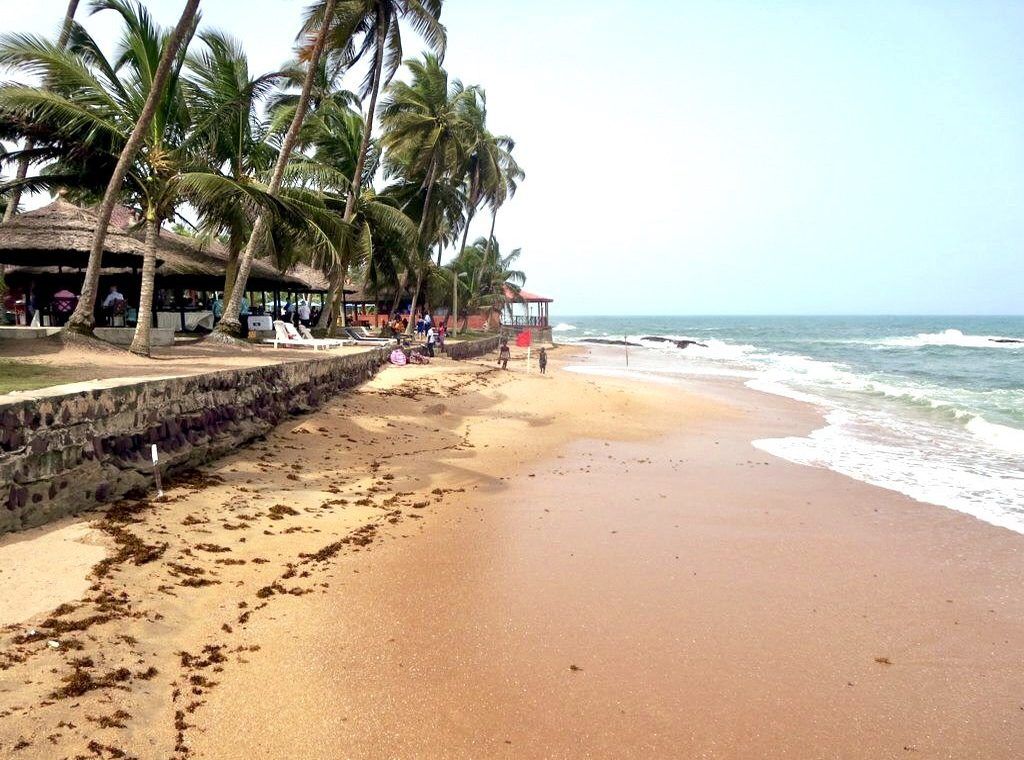
Hidden LGBT+ Gem #7: Cape Coast, Ghana
Africa is still largely overlooked in LGBT travel lists, often due to broad generalisations rather than nuanced reality. While caution is necessary in parts of the continent, destinations like Cape Coast tell a more complex and human story, particularly for thoughtful and culturally engaged travellers.
Cape Coast is a historic coastal city with a strong academic and international presence. The local university, NGO community, and diaspora connections create an environment that is more open-minded than many expect. For LGBT+ travellers, this results in a setting that feels discreet but respectful.
The city’s pace is slow and reflective. Life centres around the coast, history, and daily routines rather than nightlife. That can feel grounding, especially for travellers seeking meaning alongside exploration.
Same-sex couples should remain mindful and avoid overt public displays of affection, but many LGBT+ visitors report feeling welcomed when engaging naturally with local people. Hospitality providers are often professional and inclusive, particularly those used to international guests.
Cape Coast’s historical sites, including nearby Elmina, offer powerful and moving experiences. Visiting here is not about escapism. It is about understanding place, context, and connection.
How gay friendly is Cape Coast?
Cape Coast is best suited to experienced LGBT+ travellers who value culture and discretion. While not openly queer, it offers respectful interactions and meaningful travel experiences when approached thoughtfully.
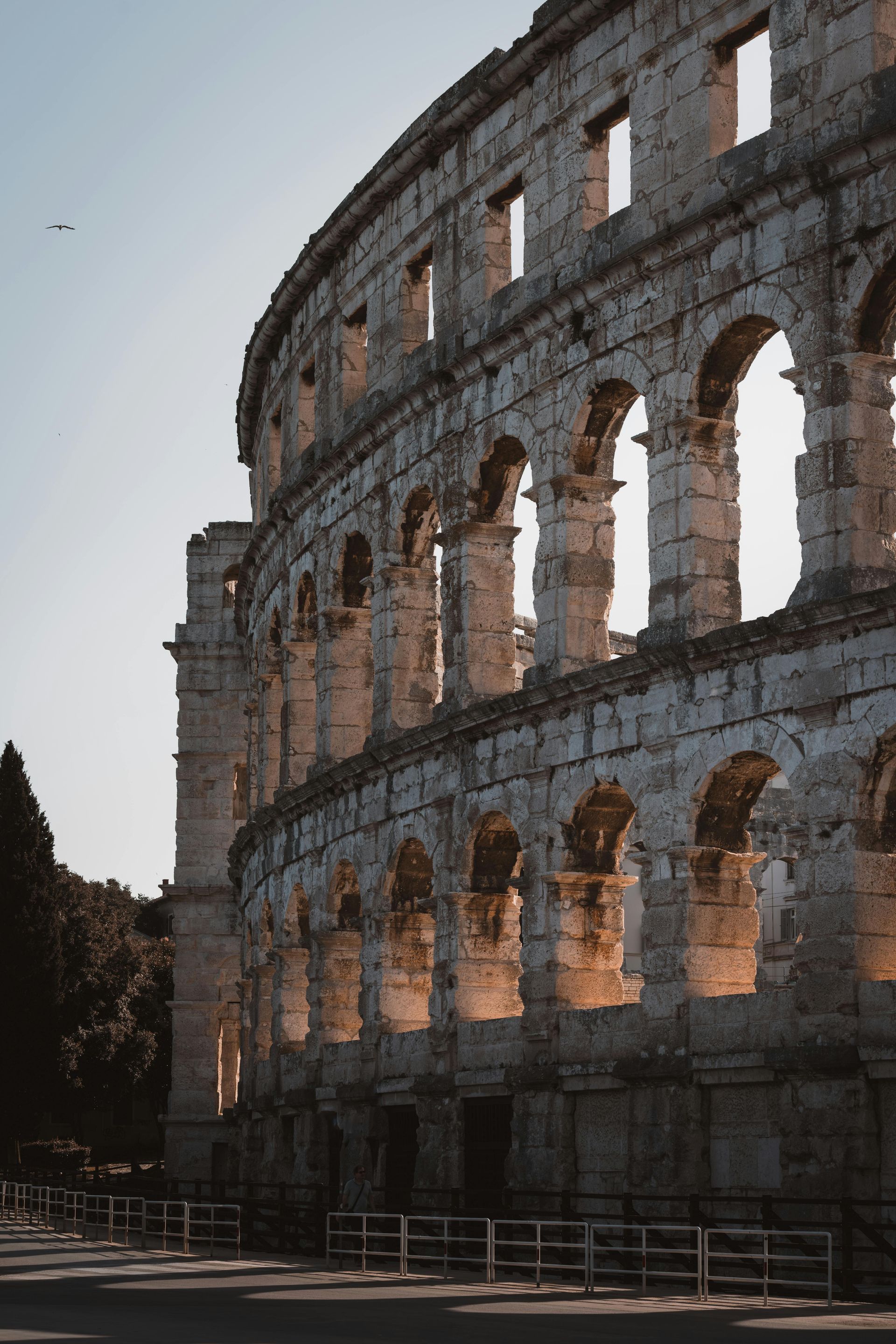
Hidden LGBT+ Gem #8: Istria, Croatia
Croatia is well known among European travellers, but most LGBT+ visitors stick to Dubrovnik or Split. Istria, in the north of the country, offers a quieter, more refined alternative that still feels comfortably inclusive.
The region is shaped by Italian, Slovenian, and Croatian influences, which gives it a distinctly cosmopolitan character. Towns like Rovinj and Pula attract artists, food lovers, and slow travellers rather than party crowds.
Istria’s LGBT+ friendliness is subtle but consistent. Same-sex couples are a common sight in tourist areas, and there is little overt judgement. The atmosphere feels relaxed and adult, with an emphasis on quality experiences rather than nightlife.
Accommodation here tends to be boutique-focused, which suits travellers looking for privacy and personal service. Many hotels and villas actively welcome LGBT+ guests without advertising it loudly.
The region’s food and wine scene is exceptional, with truffles, olive oil, and local vineyards taking centre stage. Evenings are about long dinners and seaside walks rather than clubs, which many travellers find deeply appealing.
How gay friendly is Istria?
Istria is quietly welcoming and very safe for LGBT+ travellers. It is ideal for couples and solo travellers seeking beauty, comfort, and understated acceptance.
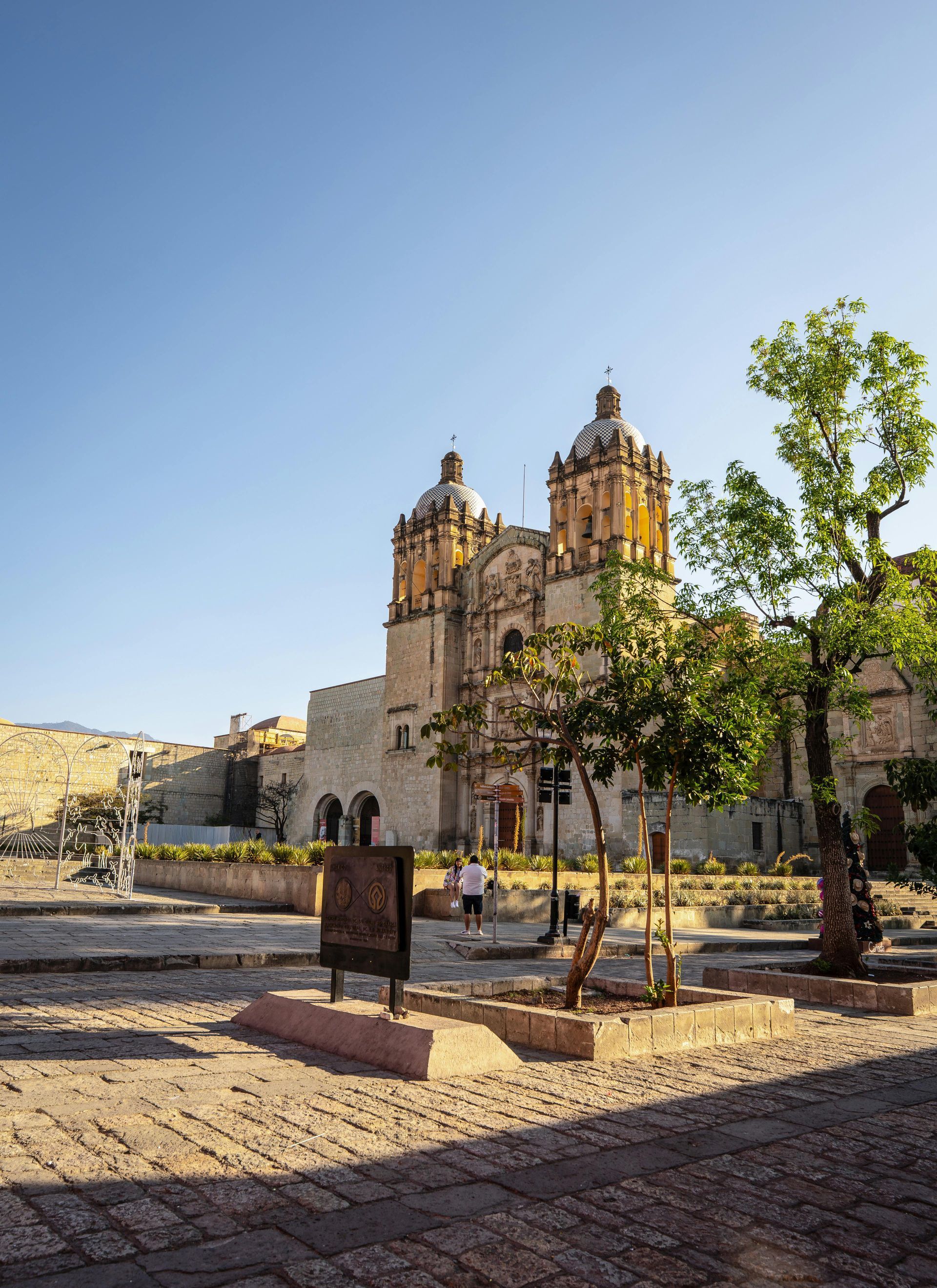
Hidden LGBT+ Gem #9: Oaxaca, Mexico
Mexico has long been popular with LGBT+ travellers, but Oaxaca remains surprisingly overlooked. That is slowly changing, yet it still feels like a destination you discover rather than follow.
Oaxaca is creative, colourful, and deeply rooted in tradition. Indigenous culture shapes daily life here, which creates an environment where difference is often approached with curiosity rather than judgement. For LGBT+ travellers, this translates into a city that feels open and expressive without being overwhelming.
Queer life in Oaxaca is visible but not concentrated. You will find inclusive bars, art spaces, and cultural events scattered throughout the city rather than grouped into a single area. This makes it easy to feel part of the wider community instead of set apart from it.
The city also attracts artists, writers, and slow travellers, which naturally fosters acceptance. Same-sex couples are common sights in cafes, galleries, and markets, particularly in the historic centre.
Food is central to the experience. From mole tastings to mezcal distilleries, Oaxaca rewards travellers who engage with the culture at a deeper level. That sense of immersion is one of its greatest strengths.
How gay friendly is Oaxaca?
Oaxaca is warmly LGBT-friendly, especially within cultural and central neighbourhoods. It offers visibility, safety, and a strong sense of creative freedom.
Hidden LGBT+ Gem #10: Hobart, Australia
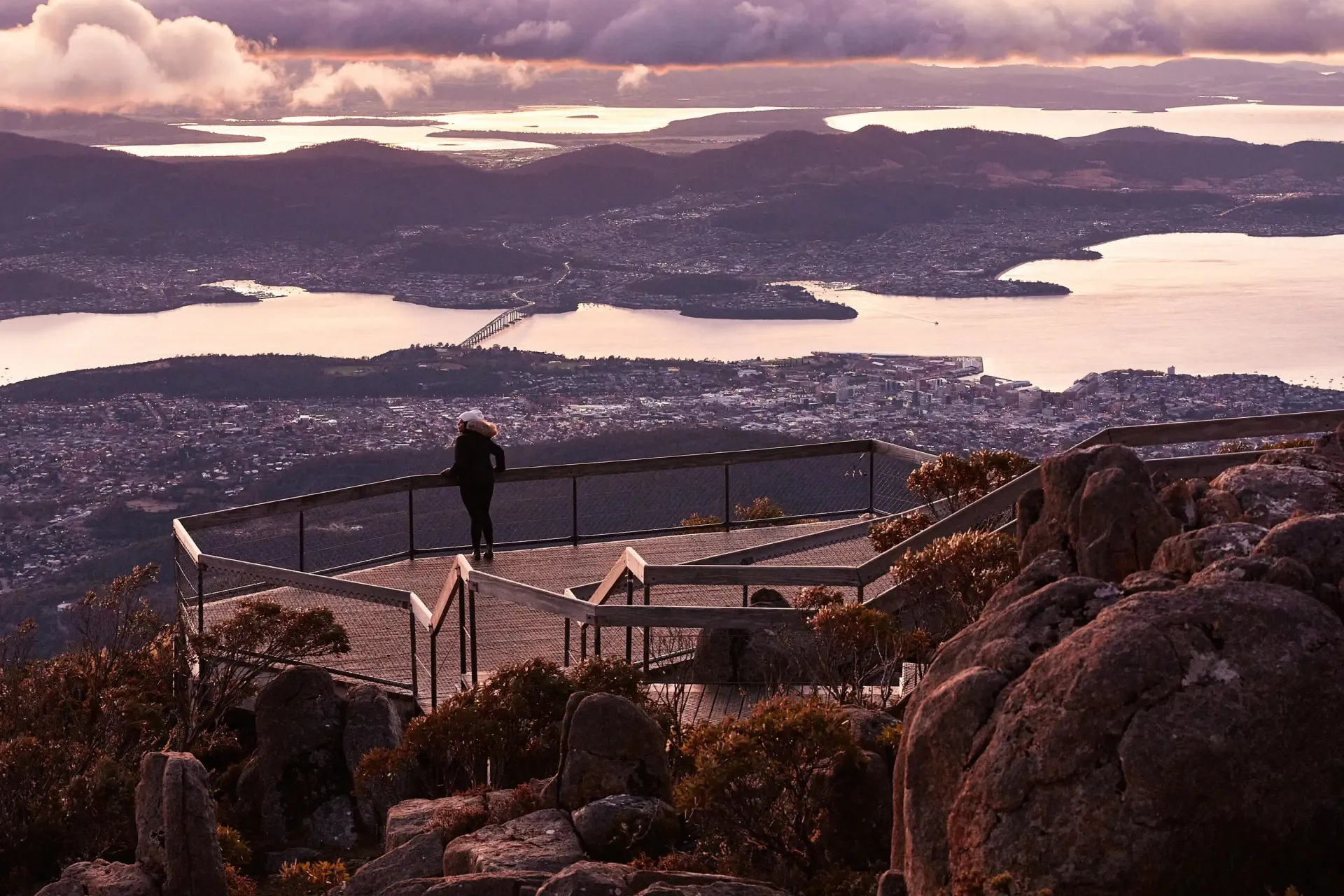
Hobart may be one of Australia’s smaller cities, but it has become one of its most progressive. Set against dramatic natural scenery, it combines creativity, history, and a quietly confident LGBT+ community.
Tasmania’s reputation has changed dramatically over the past decade. Today, Hobart feels open-minded, expressive, and refreshingly unpretentious. The city attracts people who value individuality, which creates a naturally inclusive atmosphere.
LGBT+ travellers often remark on how easy it feels to exist here. Same-sex couples are visible and unremarkable in everyday settings. Locals tend to be friendly without being intrusive, which makes social interactions feel comfortable and genuine.
Cultural life is a major draw. MONA has transformed Hobart into a global arts destination, drawing an international crowd that reinforces progressive values. The surrounding food and wine scene adds further depth.
Nature is always close. Coastal walks, mountain views, and cool-climate landscapes create a sense of balance that many travellers crave in 2026.
How gay friendly is Hobart?
Hobart is one of Australia’s most LGBT-friendly small cities. It offers safety, visibility, and a strong sense of community without big-city intensity.

Jamie Says:
“Hidden destinations are where many of our clients feel most at ease. There’s less pressure, fewer expectations, and more space to simply enjoy being yourself. Our job is to make sure that sense of freedom is matched with proper protection and honest advice, so people can travel with confidence, not caution.”
Booking with Confidence: How Your Holiday Is Protected
Planning travel should feel exciting, not stressful. That is especially true for LGBT+ travellers, where feeling safe and supported matters at every stage of the journey. When you book through Wide Awake Holidays, protection is built into the experience from the very beginning. Because comfort often comes down to where you stay, it’s worth reading Why Gay-Friendly Hotels Are the Way to Go before choosing accommodation in lesser-known places.
Every holiday is carefully structured to safeguard your money and your plans. Payments are handled securely, and your booking is arranged so that you are not left exposed if circumstances change. This means you can focus on choosing the right destination, not worrying about what might go wrong.
Protection also goes beyond finances. Each itinerary is designed with real-world LGBT+ experience in mind. Accommodation, transfers, and destinations are selected based on comfort, discretion, and genuine inclusivity, not just marketing claims. That extra layer of knowledge makes a meaningful difference when travelling to lesser-known places.
If something unexpected happens, you are not dealing with automated systems or generic call centres. You have direct access to a knowledgeable team who understand both travel logistics and LGBT+ concerns. That human support is often what travellers value most. For an independent overview of LGBT+ rights and equality developments across Europe, you can check ILGA-Europe before you travel.
Booking a hidden destination should feel empowering, not risky. With the right planning and protection in place, it becomes one of the most rewarding ways to travel.
Why LGBT Hidden Gems Are the Future of Travel
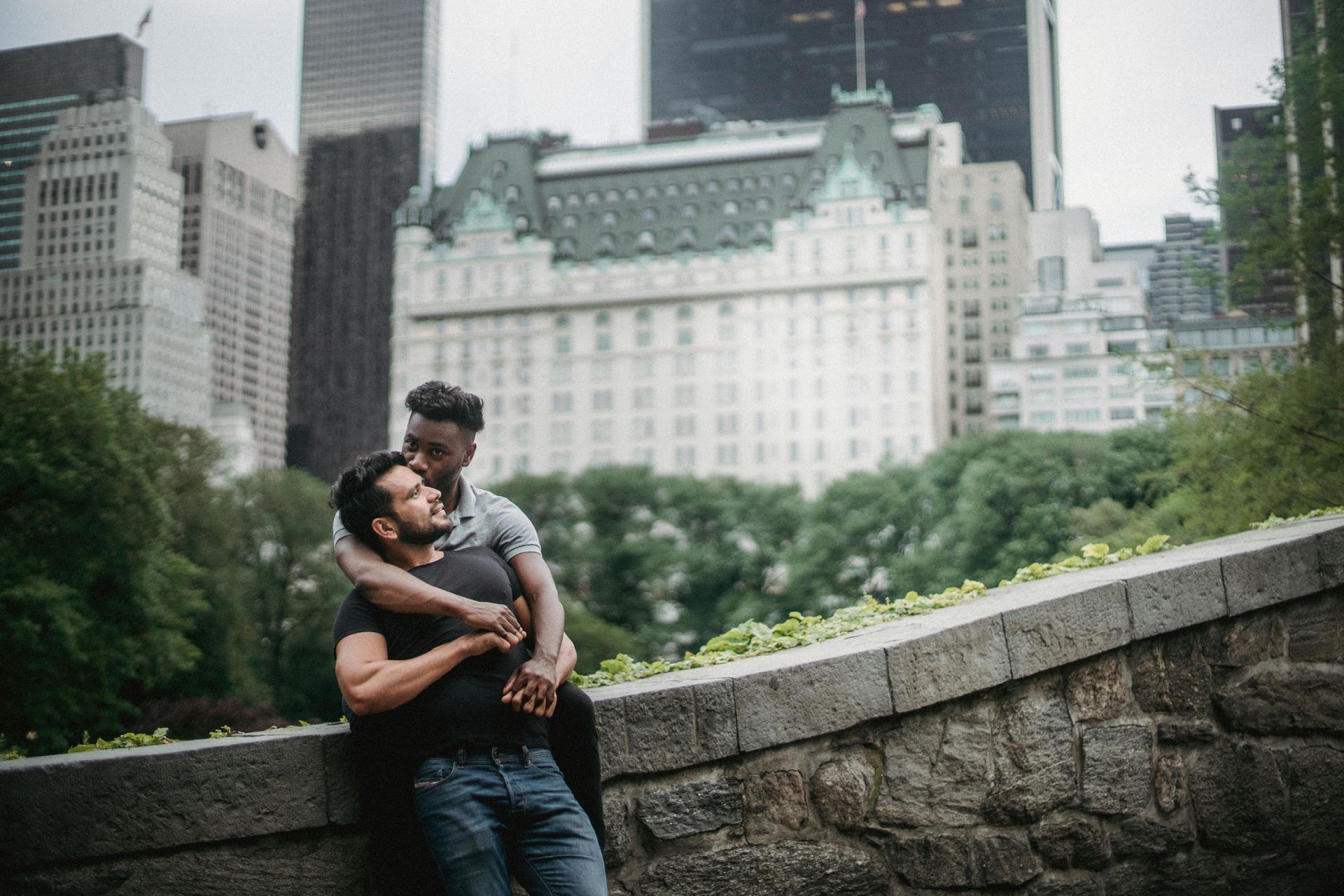
As travel continues to evolve, many LGBT+ travellers are redefining what a great destination looks like. It is no longer about how many clubs exist or how loud the branding feels. It is about ease, respect, and the freedom to be yourself without explanation. If you love the idea of going beyond the obvious, you’ll probably enjoy our wider round-up of Hidden LGBT Gems: Lesser-Known Destinations You Need to Visit.
These LGBT Hidden Gems offer exactly that. They reward curiosity and intention. They provide meaningful experiences that stay with you long after you return home.
Choosing destinations like these also supports local communities and helps shape a more thoughtful future for LGBT+ travel. It is a way of travelling that feels aligned with where many people are now.
If you are planning travel for 2026 and want something that feels personal, safe, and genuinely rewarding, these destinations are an excellent place to start.
For tailored advice, thoughtful planning, and LGBT+ expertise you can trust, the team at Wide Awake Holidays is always ready to help you explore beyond the obvious.
📧
reservations@wideawakeholidays.co.uk
🌐www.wideawakeholidays.co.uk
📞
01495 400947
Send an Enquiry
We will get back to you as soon as possible.
Please try again later.
Frequently Asked Questions
1. What does “LGBT Hidden Gems” mean in travel terms?
LGBT Hidden Gems are destinations that offer genuine comfort and acceptance for LGBT+ travellers but are not heavily marketed as gay hotspots. They often feel more authentic and less commercial.
2. Are hidden LGBT-friendly destinations safe to visit?
Many are very safe, especially when chosen with expert guidance. The key is understanding local culture, social norms, and where LGBT+ travellers feel most comfortable.
3. Why are LGBT travellers choosing hidden gems in 2026?
Travellers are prioritising calm, privacy, and meaningful experiences. LGBT Hidden Gems offer space to relax without the pressure of highly commercialised scenes.
4. Do LGBT Hidden Gems have visible gay scenes?
Some do, but many do not. Visibility often shows up through everyday acceptance rather than clubs or districts, which many travellers prefer.
5. Are these destinations suitable for same-sex couples?
Yes, especially for couples who value quality time, culture, and shared experiences over nightlife-focused travel.
6. Is it better to book LGBT Hidden Gems through a specialist?
Yes. Specialist planning helps ensure accommodation, routes, and experiences are chosen with real LGBT+ comfort in mind, not assumptions.
7. Can solo LGBT travellers enjoy hidden destinations?
Absolutely. Many solo travellers find hidden gems more welcoming and less intimidating than large party destinations.
8. Are LGBT Hidden Gems good for first-time LGBT travellers?
They can be, as long as the destination is matched carefully to the traveller’s comfort level and expectations.
9. How do I know if a destination is genuinely LGBT-friendly?
Legal protections matter, but lived experience matters more. That includes local attitudes, hospitality standards, and recent traveller feedback.
10. Can Wide Awake Holidays help plan trips to LGBT Hidden Gems?
Yes. Wide Awake Holidays specialises in matching travellers with destinations that suit their needs, offering expert advice and built-in booking protection.
Some of our Latest Offers
Discover our latest hand-picked travel offers below – automatically updated and inspired by the destinations featured in this blog.