
LGBT+ Travel Myths: Why You Shouldn’t Let Fear Stop Your Adventures
LGBT+ Travel Myths: Why You Shouldn’t Let Fear Stop Your Adventures
Introduction to LGBT Travel Myths
LGBT Travel Myths hold a lot of us back from seeing the world.
You might have heard that only a small list of destinations are “safe enough” or that travelling as an LGBT+ person is riskier than everyone else’s trip. These fears aren’t just facts on paper — they shape how we think about exploring new places. And too often, they stop us from booking flights, experiencing cultures, and making memories.
This blog cuts through misinformation and unnecessary worry with clear thinking and real-world insight. We’ll look at the real stories behind common myths and show why fear should never be the reason you stay home.
Some concerns you’ve probably encountered include:
- You must only visit “safe” destinations.
- Solo travel as an LGBT+ person is too risky.
- You can’t be open about who you are abroad.
- Travel experiences will be harder or less fun.
But these aren’t the full story. And by the end of this guide, you’ll see why fear is the one thing worth leaving behind at the airport gate.

Myth #1 – “Most Countries Aren’t Safe for LGBT Travellers”
One of the biggest fears people have is that only a handful of countries are safe for LGBT+ travellers.
Yes, laws and attitudes vary widely across the world. That’s true. Some places have more rights and social acceptance than others. Much of the fear surrounding unfamiliar destinations fades once travellers understand how to assess real-world safety, as explained in Is it Safe to Travel to Certain Countries as an LGBT+ Person?
But the idea that most countries are unsafe is an oversimplification — and it’s one of the core LGBT Travel Myths that stops people from exploring with confidence.
Here’s why this myth doesn’t tell the whole story:
Local Reality Often Differs from Reputation
Countries have layers of law, culture, and lived experience. Even where protections are limited on paper, many destinations have thriving queer communities, welcoming locals, and established safe spaces.
That means you often find inclusion where you least expect it — not just in destinations traditionally labelled “gay friendly.
Research Before You Judge a Whole Country
The key isn’t black-and-white safety ratings — it’s informed planning. Look at:
- Local attitudes in the specific cities or regions you plan to visit
- Community reviews from LGBT+ travellers
- How tourism is marketed locally
You’ll quickly see that a “no-go” label often hides rich diversity and welcoming local scenes.
Travel With Awareness, Not Fear
This isn’t about ignoring laws or realities. It’s about understanding them with nuance. Knowing where you can be fully open, where to be a bit more discreet, and where to connect with local communities gives you more control over your experience — not less.
So while safety considerations matter, we shouldn’t let an outdated belief about “everywhere being unsafe” define what trips we take.

Myth #2 – “You Have to Hide Who You Are When You Travel”
This is one of the most emotionally draining
LGBT Travel Myths.
It tells people that travelling means shrinking themselves, avoiding affection, or constantly being on guard. That idea alone is enough to stop many trips before they even begin.
The truth is more balanced, and far less frightening.
Openness Is Not an All-or-Nothing Choice
Being LGBT+ abroad does not mean you must either be completely out or completely hidden. Travel, for everyone, involves reading the room. Straight couples do this too, often without noticing. The difference is that LGBT+ travellers are told it is dangerous rather than normal.
In reality, openness works on a sliding scale.
You may feel fully comfortable being yourself in some destinations. In others, you might choose quieter expressions of intimacy. That does not mean you are living in fear. It means you are travelling with awareness.
LGBT+ Visibility Exists Worldwide
Queer life is not limited to a few Western cities. You’ll find LGBT+ bars, community spaces, events, and informal networks in places many people assume have none. These communities often operate discreetly but warmly. They are used to welcoming travellers who arrive with curiosity and respect.
What surprises many first-time LGBT+ travellers is how ordinary these interactions feel. You meet locals. You share stories. You realise you were never as alone as the myth suggested.
Confidence Changes How You’re Treated
Fear is contagious. Confidence is too.
Travellers who feel informed and prepared tend to move through destinations more comfortably. They ask better questions. They make smarter choices. And they project ease. That ease often shapes how others respond.
This myth assumes that danger is constant and unavoidable. In practice, most trips are filled with the same moments everyone experiences. Getting lost. Finding great food. Laughing with strangers. Feeling proud you went.
Myth #3 – “Solo LGBT Travel Is Too Risky”
Another powerful LGBT Travel Myth is that travelling alone automatically puts you in danger. This belief hits especially hard for solo travellers, first-time explorers, and people who don’t have a ready-made travel companion.
But solo travel itself is not the risk.
Unprepared travel is.
Solo Does Not Mean Unsupported
Today’s travellers have access to more information, communities, and support than ever before. LGBT+ forums, local groups, social apps, and travel specialists make it easier to connect and stay informed wherever you go.
Solo LGBT+ travellers often report something unexpected. They feel more connected, not less. Travelling alone encourages conversation. It invites help. It opens doors that group travel sometimes keeps closed.
Accommodation and Planning Matter More Than Numbers
Safety is rarely about whether you travel alone. It’s about where you stay, how you plan, and who you trust. Choosing well-located accommodation, understanding local transport, and having local insight reduces risk far more than travelling with someone else.
This is where tailored planning makes a difference. Knowing which areas feel comfortable, which experiences suit your travel style, and how to move confidently through a destination creates peace of mind.
Many LGBT+ Travellers Start Solo — and Keep Going
For many people, solo travel is how confidence begins. One successful trip leads to another. Fear fades. Experience grows. What once felt impossible becomes a favourite way to explore the world.
This myth frames solo LGBT travel as reckless. In reality, it’s often thoughtful, empowering, and deeply rewarding. For many people, travelling alone becomes empowering rather than intimidating when supported by informed planning, as explored in LGBT+ Solo Travel: Exploring New Destinations Safely.
Myth #4 – “LGBT Travel Is More Stressful and Less Enjoyable”
This is one of the quieter
LGBT Travel Myths, but it is one of the most damaging.
It suggests that even if nothing bad happens, the mental load of being LGBT+ abroad will make the experience tense, exhausting, or simply not worth it.
That belief deserves challenging.
Fear Often Exists Before the Journey Begins
Many travellers report that the most stressful part of an LGBT+ trip happens before departure. It lives in headlines, warnings taken out of context, and worst-case scenarios imagined at home. Once on the ground, those fears often fade quickly.
Real travel is busy.
You are navigating streets, choosing restaurants, learning customs, and soaking up new surroundings. Anxiety has less room to grow when curiosity takes over.
Joy Is Not Limited by Identity
LGBT+ travellers fall in love with destinations for the same reasons everyone else does. The food. The scenery. The people. The sense of escape. Being queer does not cancel out joy. In many cases, it heightens it, because travel can feel like a rare space to breathe freely and be present.
What people often discover is not stress, but relief. Relief that the world is bigger and kinder than fear suggested. Relief that they trusted themselves enough to go.
Preparation Reduces Pressure
Enjoyment increases when you feel prepared. Knowing where you are staying, understanding local norms, and having access to expert guidance removes most of the mental strain people worry about.
This myth assumes LGBT+ travel is harder by default. In reality, well-planned travel often feels smoother, calmer, and more rewarding than expected.
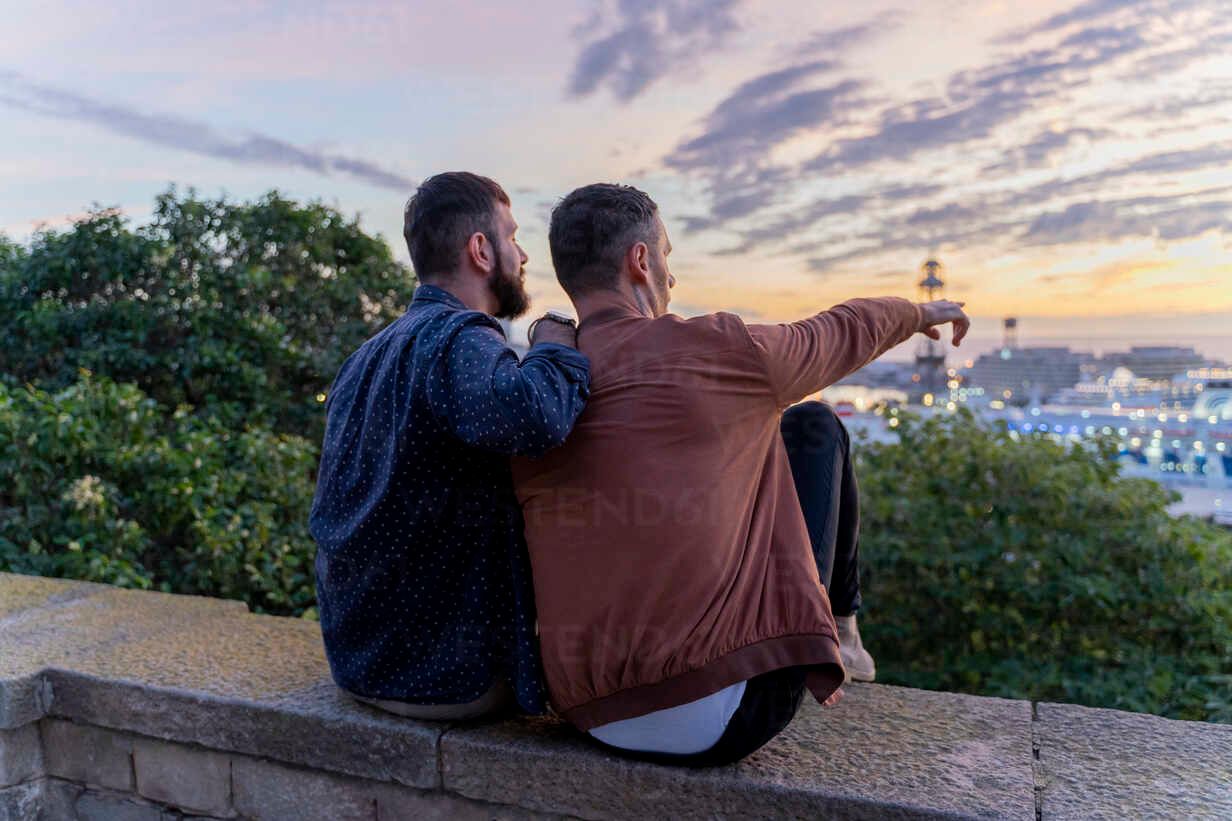
The Real Cost of Believing LGBT Travel Myths
Fear does not just limit destinations.
It limits confidence. The persistence of outdated assumptions is easier to understand when you look at how
LGBT travel has evolved over the last decade.
When LGBT Travel Myths go unchallenged, they quietly shape decisions. Trips are postponed. Dreams are downsized. People tell themselves they will travel later, when things feel safer, easier, or clearer.
That moment often never comes.
Time Is the One Thing You Don’t Get Back
Many LGBT+ travellers look back and realise fear delayed experiences they were more than capable of handling. Destinations they thought were impossible turn out to be highlights once they finally go.
Travel is not just about where you visit. It is about who you become when you step outside your routine. Each trip builds confidence that carries into everyday life.
Confidence Grows Through Experience, Not Avoidance
No article, guide, or warning can replace lived experience. Confidence comes from doing. From navigating a new place. From learning that you can adapt, communicate, and enjoy yourself in unfamiliar settings.
This does not mean ignoring real risks. It means refusing to let exaggerated or outdated fears make decisions for you.
The World Is More Nuanced Than the Myths Suggest
Most destinations sit in the grey space between “perfectly safe” and “completely unsafe.” Understanding that nuance is empowering. It allows you to travel smartly instead of staying still.
Fear shrinks your world.
Experience expands it.

Myth #5 – “Only a Few Destinations Are Worth the Risk”
This version of
LGBT Travel Myths sounds sensible on the surface.
It tells people to stick to a short list of well-known cities and avoid everywhere else. While this advice often comes from a place of care, it quietly narrows the world.
And it misses something important.
Popular Does Not Always Mean Better
Major LGBT-friendly cities are popular for good reason. They offer visibility, nightlife, and established scenes. But they are not the only places where LGBT+ travellers feel welcome, relaxed, and inspired.
Smaller cities, coastal regions, and emerging destinations often surprise travellers the most. They offer warmth, curiosity, and genuine human connection without the crowds. For many LGBT+ travellers, these places feel more personal and memorable.
Tourism Changes Local Attitudes
In many destinations, tourism has reshaped how visitors are received. Hospitality staff, guides, and business owners are used to welcoming people from all backgrounds. Respect and professionalism often matter more than identity.
This does not erase cultural differences, but it does mean that kindness and acceptance are more widespread than myths suggest.
Expanding Your Options Builds Confidence
When you realise the world is larger than a short “approved” list, travel becomes more exciting. You stop asking “Is this allowed?” and start asking “What would I enjoy?”
That shift changes everything.
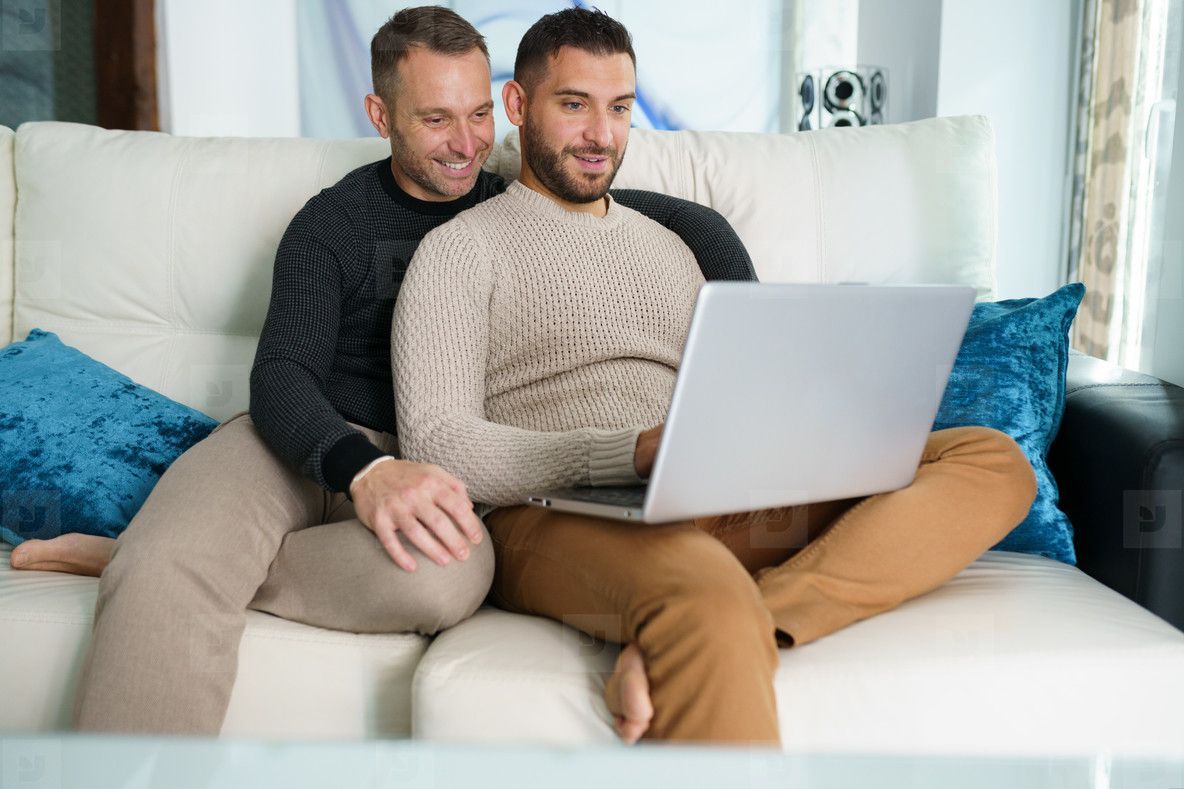
Why Fear Persists — And Why It Shouldn’t Lead
If LGBT Travel Myths are so often inaccurate, why do they stick?
Because fear spreads faster than reassurance.
Negative stories travel quickly. Context gets lost. Headlines become warnings instead of information. Over time, caution turns into assumption, and assumption turns into avoidance. Understanding how professional support reduces anxiety helps explain why choosing an LGBT travel agency changes everything for travellers who feel held back by fear.
One Story Does Not Define a Destination
Every destination has incidents. That is true everywhere in the world. But isolated stories rarely represent daily reality. Most trips pass without drama, incident, or fear. They are made up of ordinary moments that never make the news.
When we judge entire countries or cultures based on worst-case examples, we lose nuance. And we lose opportunity.
Control Is the Antidote to Fear
Fear thrives in uncertainty. It fades when you feel informed and supported. Knowing where you are going, why you chose it, and how your trip has been planned gives you control.
This is why specialist knowledge matters. It replaces vague warnings with clear guidance. It turns anxiety into confidence.
Let Curiosity Be Louder Than Fear
Fear asks you to stay still. Curiosity invites you forward. Most LGBT+ travellers who take that step discover that the world is not waiting to reject them. It is waiting to be explored.
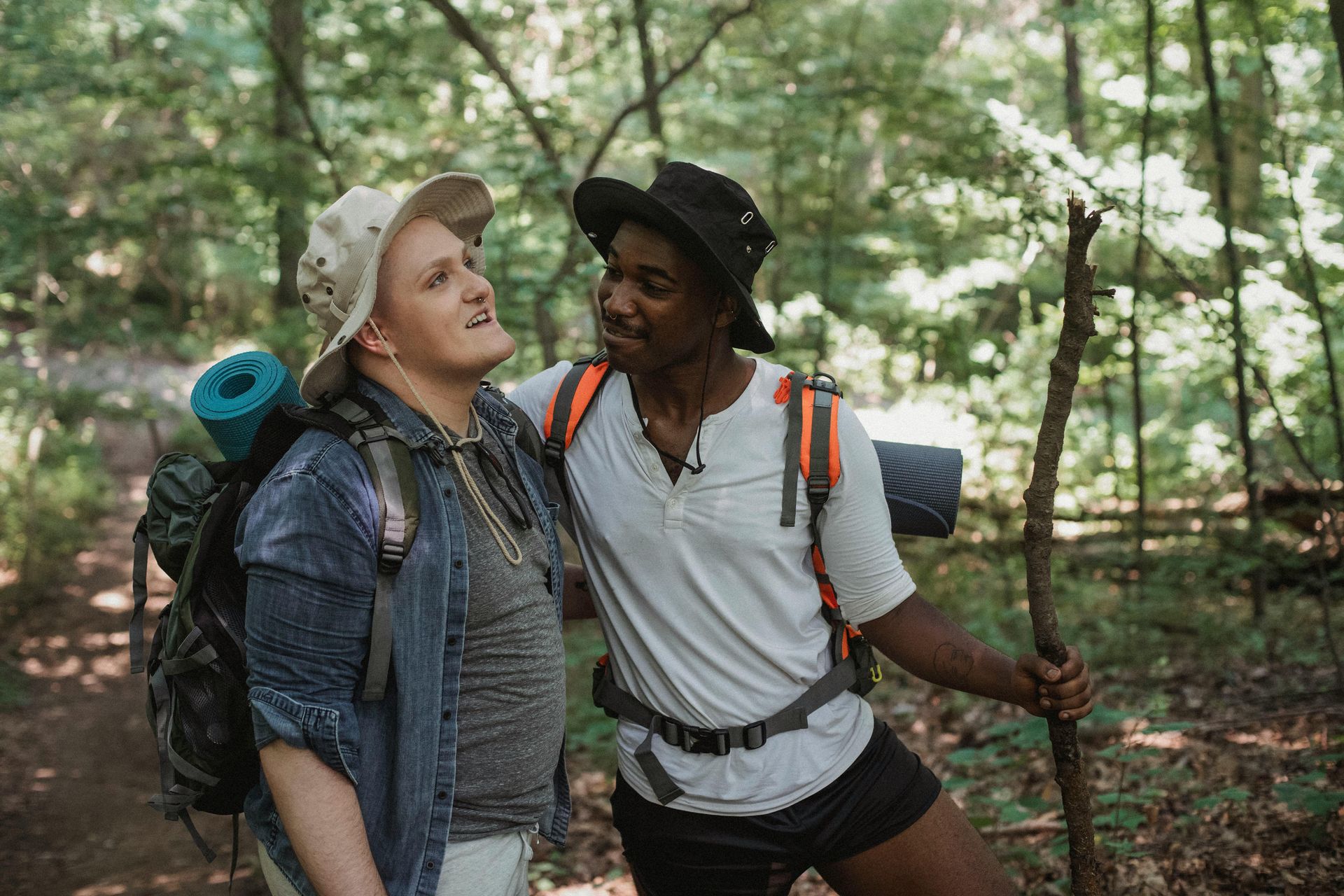
Practical Guidance That Cuts Through the Noise
These next sections move from myth-busting into actionable clarity — giving readers a roadmap so they can travel with confidence and avoid the traps that myths create.
Understanding How to Read Safety Information Without Panic
If you’ve ever looked up a destination and instantly thought “absolutely not”, you’re not alone. Safety pages can look intimidating, especially when they highlight worst-case scenarios.
However, many travellers misunderstand how to use that information.
Here’s the reality:
Safety advice works best when viewed in layers — law, culture, city, neighbourhood, and the type of trip you want. It isn’t meant to scare you away; it’s meant to help you navigate smartly.
Most countries, even conservative ones, have busy tourist areas where visitors of all identities move around freely. When you read destination information through a balanced lens, you gain confidence instead of fear.
Travellers often feel calmer once they understand what applies to ordinary visitors and what applies only to specific situations.
Isn’t it reassuring to know you can filter risk without ruling out entire regions?
Why Research Matters More Than Reputation
A country’s global reputation can be outdated by ten or twenty years. Many LGBT Travel Myths come from stories repeated so often that people forget to question them.
Up-to-date research helps you see:
- Which neighbourhoods feel relaxed
- Where queer nightlife is thriving
- Which hotels have inclusive training
- How local people interact with couples in public
- How common it is to see same-sex travellers
One good evening of planning can reduce anxiety dramatically.
Even better, talking with LGBT-specialist travel planners turns vague concerns into clear, confident choices.
How Social Media Can Confuse People About Risk
Social media is a brilliant tool for finding queer spaces abroad — but it also spreads panic.
A short video can go viral even when it represents an unusual, isolated moment. When people watch enough of these clips, they start forming beliefs that don’t match everyday travel reality.
For example, one dramatic incident can overshadow thousands of uneventful, happy holidays taken by LGBT travellers in the same location. Fear spreads faster than nuance online.
Stepping back and evaluating real trends gives a more realistic picture.
Common Planning Mistakes LGBT Travellers Make
Let’s look at mistakes shaped by long-standing myths — so you can avoid them.
1. Relying only on outdated blogs
Travel information from 2018 may no longer be relevant. Destinations shift, laws change, and communities grow.
2. Assuming city centres are the safest areas
Sometimes LGBT nightlife or social spaces are outside the usual tourist zones. Researching multiple areas opens more options.
3. Booking accommodation without reading reviews
Reviews often mention whether staff were inclusive and respectful. They’re an overlooked source of reassurance.
4. Over-focusing on laws without checking real traveller stories
Both views matter. One gives structure, the other gives lived experience.
5. Thinking they must hide from start to finish
Modest adjustments can help in specific contexts. But living in complete fear turns holidays into chores.
Avoiding these mistakes builds trips that feel calm and enjoyable from day one. For a broader global perspective on LGBT+ laws and social attitudes, resources from
ILGA World help place individual stories in the proper context.
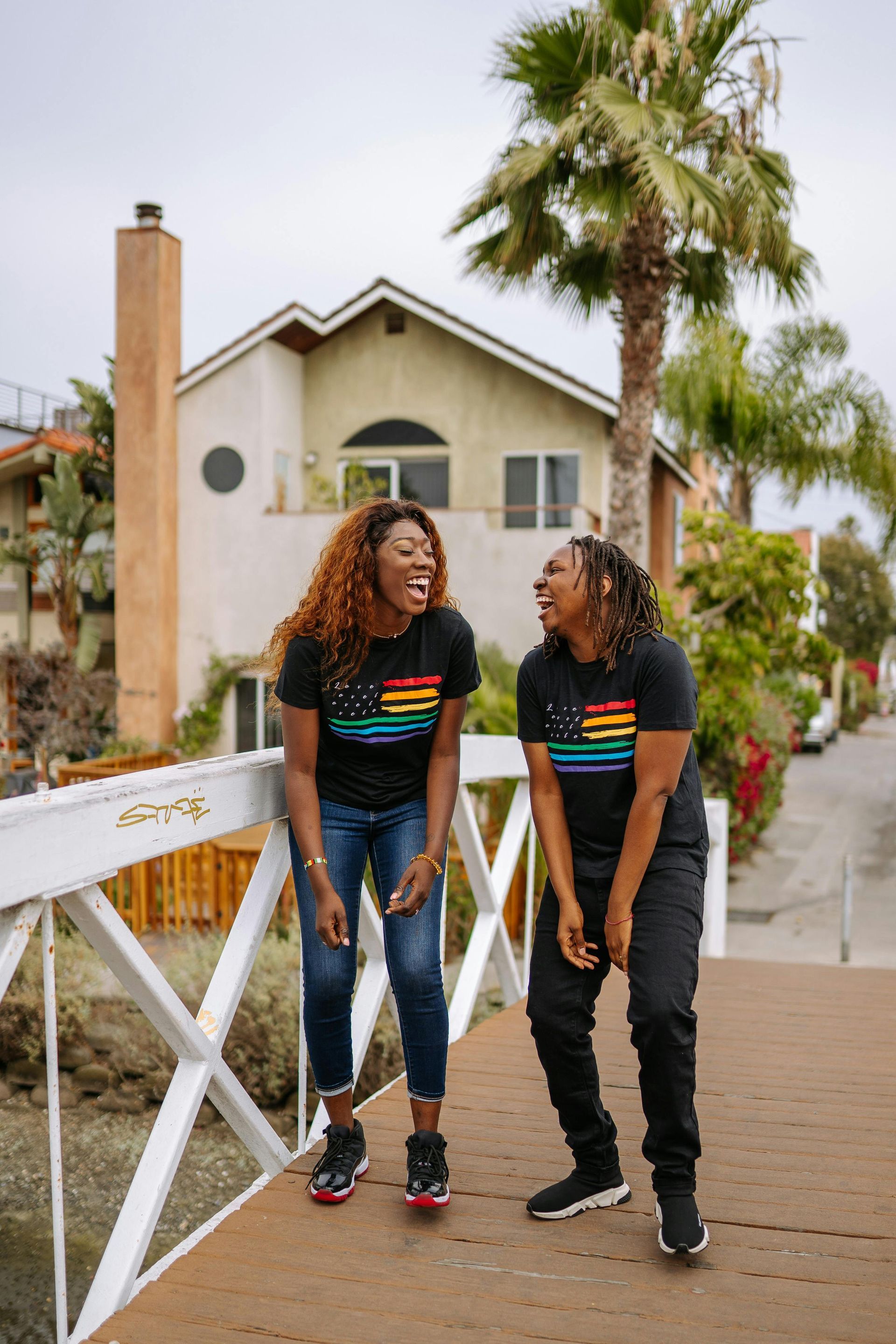
Why Specialist LGBT Travel Advice Changes Everything
One of the least discussed
LGBT Travel Myths is the idea that all travel advice is equal.
It assumes that booking a trip as an LGBT+ traveller requires no additional insight, context, or care. For some trips, that may be true. For many others, it is not.
Specialist advice does not exist to make travel feel risky.
It exists to make travel feel clear.
Understanding Nuance, Not Just Rules
Generic travel advice often focuses on laws, headlines, and broad warnings. Specialist LGBT travel guidance goes further. It looks at lived experience. It considers how destinations feel, not just how they read on paper.
This includes understanding:
- Which neighbourhoods feel relaxed and welcoming
- How open local culture is in everyday settings
- Where discretion is sensible and where it is unnecessary
This kind of insight cannot be pulled from a checklist. It comes from experience, feedback, and real conversations with travellers.
Confidence Comes From Knowing You Are Supported
Fear often grows when people feel they are travelling alone in their decisions. Knowing that someone has considered your identity, your comfort, and your expectations changes how you approach a trip.
That support allows you to focus on enjoyment instead of contingency planning. It replaces guesswork with reassurance.
Planning Is Not About Limitation
Good LGBT travel planning does not reduce freedom. It increases it. When you know your trip has been designed with care, you spend less time worrying and more time exploring.
That is the difference between travelling cautiously and travelling confidently.

Jamie Says:
"’I've spoken to countless LGBT+ travellers over the years who were nervous before their first big trip. Almost all of them came back saying the same thing. They wished they’d gone sooner. Fear had painted a much darker picture than reality ever did."
Jamie Wake, Managing Director
Booking Confidence and Peace of Mind
A final myth worth addressing is the idea that LGBT+ travellers must choose between safety and spontaneity. In reality, confidence comes from knowing that practical protections are in place.
When your holiday is properly arranged, you are not left to manage uncertainty alone. Clear booking structures, reliable suppliers, and transparent planning provide a safety net that allows you to relax.
This matters for all travellers, but especially for those who have been told to expect problems. Knowing where to turn if plans change, or questions arise, removes much of the background anxiety people associate with travel.
Peace of mind is not about expecting things to go wrong.
It is about knowing you are supported if they do.
Don’t Let Myths Decide Where Your Story Goes
LGBT Travel Myths are powerful because they sound protective.
They pretend to keep you safe while quietly limiting your choices. Over time, they shrink your sense of what is possible and convince you that staying home is the sensible option.
But sensible does not always mean fulfilled.
Travel is not about chasing perfection or ignoring reality. It is about understanding the world as it truly is. Complex. Nuanced. Often far more welcoming than fear allows us to believe. When trips are planned with care and insight, the unknown becomes manageable, and the unfamiliar becomes exciting.
You do not need to be fearless to travel.
You just need the right information and the right support.
If you have been delaying a trip because of doubt, uncertainty, or stories that never felt quite complete, this may be the moment to rethink them. The world is wide. Your experience of it does not have to be small.
Talking through your ideas, questions, or concerns can be the first step. Sometimes reassurance is all it takes to turn “one day” into an actual departure date.
📧
reservations@wideawakeholidays.co.uk
??
www.wideawakeholidays.co.uk
📞 01495 400947
Send an Enquiry
We will get back to you as soon as possible.
Please try again later.
Frequently Asked Questions
1. What are the most common LGBT Travel Myths?
The most common myths include beliefs that most countries are unsafe, that LGBT travellers must hide who they are, and that travel is inherently more stressful for queer people. These ideas are often exaggerated or outdated.
2. Is LGBT travel actually more dangerous than other travel?
Not generally. Most risks associated with travel apply to everyone. Informed planning and local awareness matter far more than sexual orientation or gender identity.
3. Do I have to avoid certain destinations completely?
Some destinations require more awareness, but very few places are completely off-limits. Understanding regional differences and local culture is more useful than blanket avoidance.
4. Can LGBT travellers be open while travelling?
Openness varies by destination and setting. Many travellers find they can be themselves comfortably in most situations, especially in tourist areas and cities.
5. Is solo LGBT travel safe?
Solo travel can be safe and rewarding with proper preparation. Many LGBT travellers start solo and find it empowering rather than risky.
6. Why do LGBT Travel Myths persist?
They persist because negative stories spread faster than everyday reality. Headlines often lack nuance and reinforce fear rather than understanding.
7. Are popular LGBT destinations the only good options?
No. While popular destinations offer visibility and nightlife, many lesser-known places provide welcoming, relaxed, and memorable experiences.
8. Does planning with an LGBT specialist really make a difference?
Yes. Specialist planning focuses on lived experience, comfort, and context, not just legal frameworks or generic advice.
9. Is it normal to feel nervous before an LGBT trip?
Yes. Pre-travel anxiety is common. Most travellers report that these fears fade quickly once the journey begins.
10. How can I overcome fear linked to LGBT Travel Myths?
Start by questioning assumptions, seeking informed advice, and focusing on what excites you about travel rather than what worries you.
Some of our Latest Offers
Discover our latest hand-picked travel offers below – automatically updated and inspired by the destinations featured in this blog.