
LGBT+ Travel Trends to Watch in 2026
Your Guide to LGBT+ Summer Holiday Planning 2026 for a Safer, Smarter Summer Escape
Looking ahead at LGBT+ travel trends 2026 for smarter, safer holidays
LGBT+ travel trends 2026 are telling us something simple. People want more than a place that says it is gay friendly. They want trips that feel easy, safe, romantic, fun, and built around real knowledge of how a destination works once you land. Booking.com’s 2024 LGBTQ+ travel research found that 59% of LGBTQ+ travellers had faced discrimination while travelling, and 43% had cancelled a trip after seeing a destination act in ways that felt unsupportive. At the same time, many travellers say inclusivity in travel has improved, which means people are not giving up on holidays. They are just choosing with more care.
That shift matters whether you travel on a gay holiday every year or you have never booked one before. The strongest LGBT+ travel trends 2026 are not about chasing rainbow flags for one week in June. They are about substance. You can see it in the rise of community-led trips, in the pull of destinations with stronger legal protection, in the appetite for beach breaks that also offer privacy, and in the growing demand for holidays that fit couples, solo travellers, friendship groups, and chosen family rather than one fixed mould. Booking.com’s latest LGBTQ+ findings also show that budget matters, but so does the ability to be your real self on a trip.
For some travellers, that means a first visit to Gran Canaria or Puerto Vallarta. For others, it means taking a long-haul trip to Thailand after marriage equality, or choosing South Africa for a richer mix of city, food, wildlife, and wine. This is where the phrase gay friendly starts to feel too loose. In 2026, people want to know whether hotels handle room requests properly, whether staff get it, whether local law backs them up, and whether public life feels relaxed rather than tense. That is a better way to plan. It is also a better way to travel. If you are leaning towards a shorter-haul beach break after reading these LGBT+ travel trends, our round-up of best LGBT+ beach resorts in Europe 2026 is a strong next step.
Why LGBT+ travel trends 2026 feel more personal
The mood has changed because travellers have changed. Many now plan with far more intent than before. Some want a holiday where they can hold hands without thinking twice. Some want nightlife, beach clubs, and a strong gay scene. Others want sleep, quiet, food, spa time, and one or two places where they feel seen without having to perform. Expedia’s Unpack ’26 report points to multi-stay trips, slow rural escapes, and event-led travel. Booking.com’s 2026 predictions point to meet-up culture and trips shaped more closely around personal preference. For LGBT+ travellers, that translates into holidays that feel more specific and less off the shelf. For a wider look at how LGBTQ+ travellers are changing the way they plan trips, Booking.com’s latest LGBTQ+ traveller research adds helpful context.
That is good news for regular gay travellers because the market is getting broader. It is also good news for first-timers. You no longer need to pick between a fully mainstream trip and a loud party break. There is much more room in the middle now. A couple can want great food, good design, legal reassurance, and a few genuinely queer spaces nearby without wanting a week of clubbing. A solo traveller can want community without feeling pushed into a group format. The best 2026 planning starts there.
Trend one: LGBT+ travel trends 2026 demand proof, not vague promises
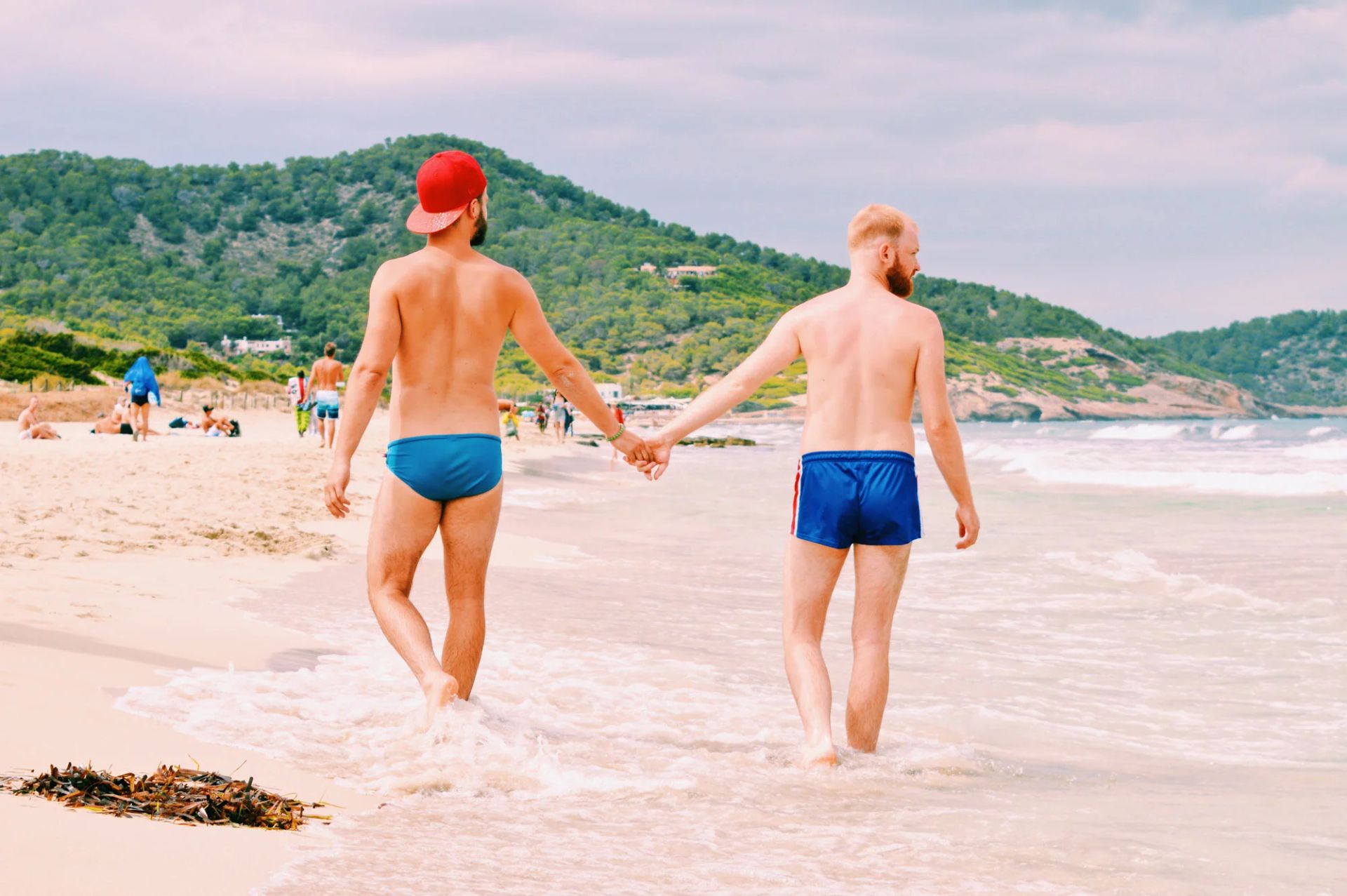
One of the clearest LGBT+ travel trends 2026 is a move away from vague labels. People do not want a hotel to tell them it is inclusive and leave it there. They want to know if the destination has marriage recognition, if employment protection exists, if staff understand same-sex couples, and if the local mood feels easy in practice. That is one reason why places with both a legal framework and a visible community keep pulling ahead. IGLTA’s work on the future of LGBTQ+ travel in Europe makes the same point in a more formal way. Progress in tourism works best when it is backed by policy, local partnership, and representation, not just marketing.
For you as a traveller, that changes the questions worth asking. Not just “Is it gay friendly?” but “Will we feel comfortable at check-in?” “Can we book one bed without awkwardness?” “Will we find places that suit us after dinner?” “Does the destination welcome us in law as well as in tone?” Those questions are shaping bookings in 2026.
Spain
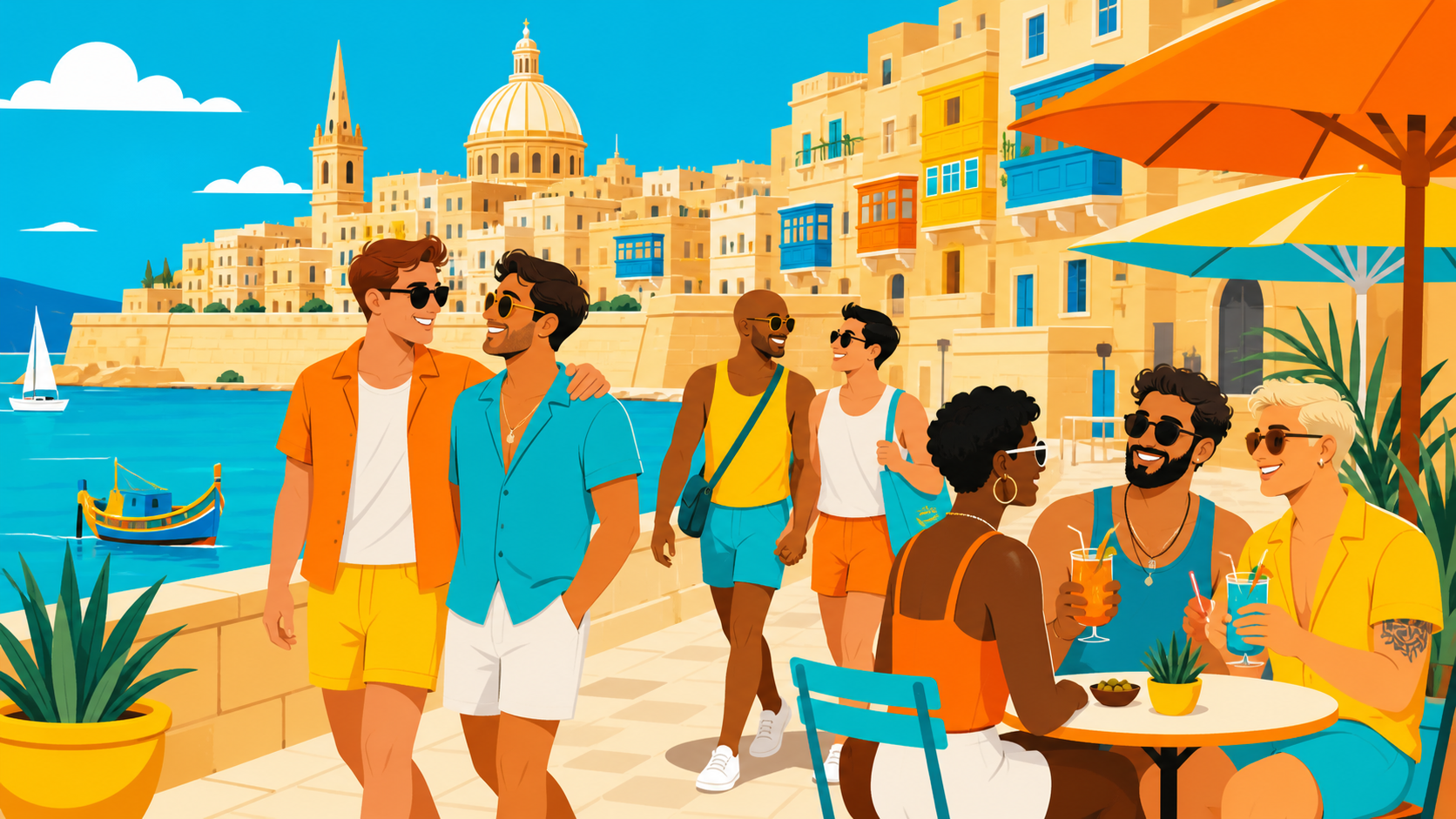
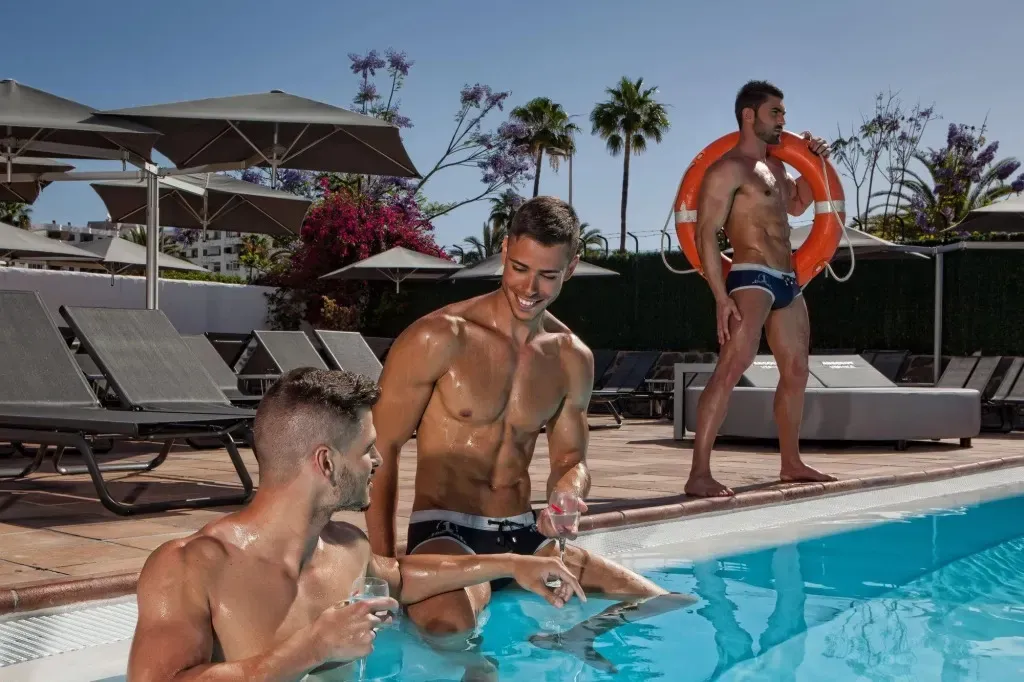
Spain remains one of the smartest answers to those questions, and not only because it is a classic choice. It still feels current. Seville will host the IGLTA Global Convention in 2026, which says a lot about Spain’s standing in LGBTQ+ travel. Then there is Gran Canaria, where the official tourism board calls the island an international icon of LGTBI tourism. For travellers seeking the easiest version of a beach-and-community break, that is hard to ignore.
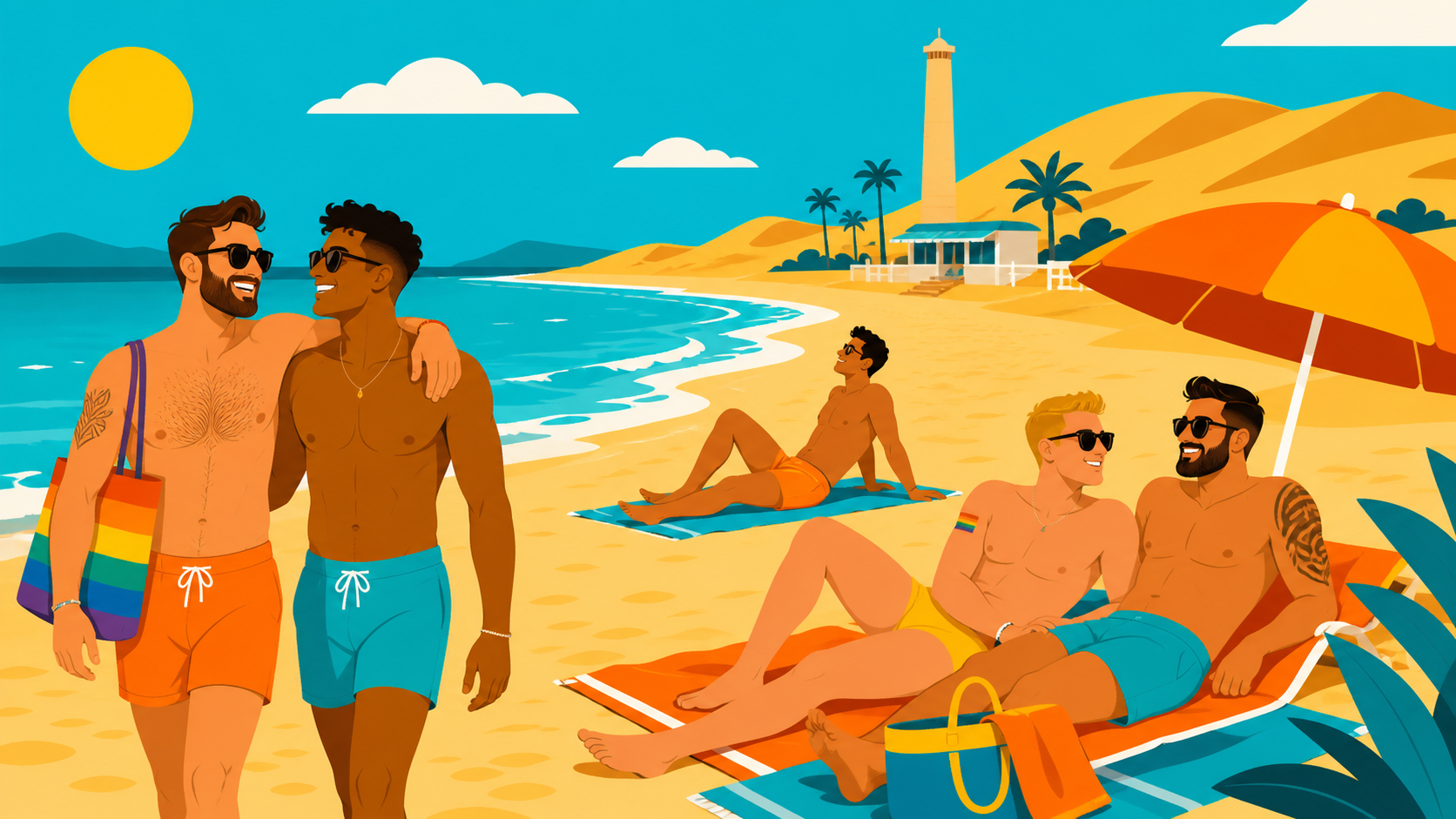
Gran Canaria works so well because it gives you choice. You can stay close to the Yumbo Centre and lean into the social side, or spend your days on the dunes and keep the pace softer. For couples, it offers a rare mix of sunshine, structure, nightlife, and low stress. For someone new to gay travel, it is one of the easiest places to understand quickly. You arrive, and the trip makes sense.
For a more tailored gay men’s stay, Birdcage Resort in Playa del Inglés positions itself as a four-star gay lifestyle hotel close to the Yumbo and the beach. That kind of property appeals to travellers who want both privacy and access to the scene. If we have a live offer for Birdcage Resort at the time you enquire, we can build it into your quote. If Spain is high on your shortlist, our guide to gay holidays to Gran Canaria gives more detail on the island’s beach culture, resort feel, and why it remains such an easy choice for LGBT+ travellers.
How Gay Friendly is Spain?
Spain recognises marriage between same-sex couples, and it has done so since 2005. ILGA’s database shows national and regional protections against discrimination based on sexual orientation, including duties on public authorities to protect against it. Employment protection exists, and Spain sits among the strongest legal environments in Europe for LGBT+ travellers. Public opinion is also supportive. Pew found that 87% of adults in Spain favour same-sex marriage. That does not mean every street or every person is identical, but for holiday planning it is a strong mix of law, culture, and visibility.
Trend two: LGBT+ travel trends 2026 point to Thailand and wider Asia
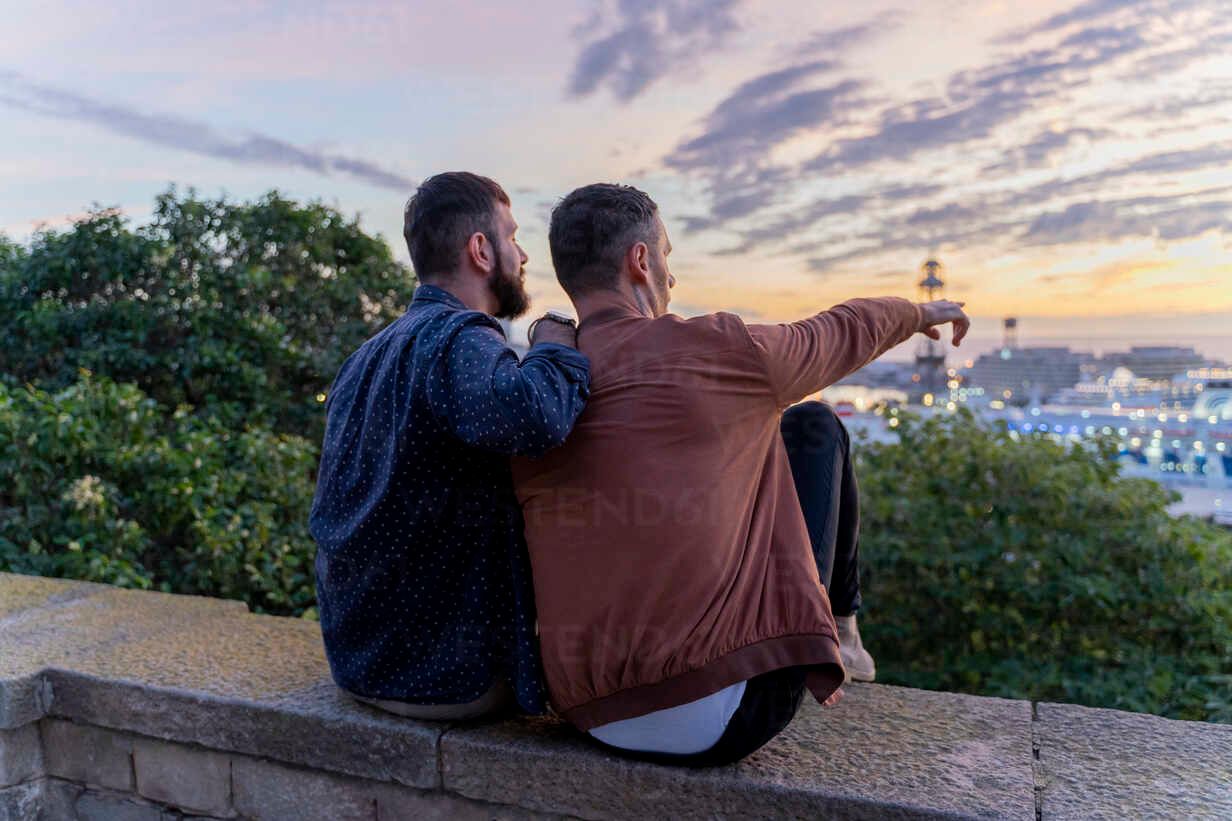
Asia is a major watchpoint this year, and Thailand is leading the conversation. When Thailand’s same-sex marriage law came into force on 23 January 2025, it became the first country in Southeast Asia to legalise same-sex marriage. That matters far beyond the law itself. It sends a signal to travellers who may already have liked Thailand’s energy, food, hotels, beaches, and value, but wanted firmer legal reassurance before planning a honeymoon, a couple’s trip, or a ceremony abroad. If Thailand is calling, our guide to gay holidays to Thailand helps you compare Bangkok, Phuket, and Koh Samui before you settle on the right mix of city energy and beach time.
Thailand also fits the wider 2026 shift towards holidays that mix comfort with meaning. You can do Bangkok for city life and nightlife, then move to Phuket, Koh Samui, or Khao Lak for beach time. Expedia’s Hotel Hop trend fits Thailand especially well because the country is so strong for multi-stop itineraries. The Tourism Authority of Thailand has also built dedicated LGBT+ travel inspiration around Bangkok and beyond, with practical content on nightlife, weddings, hotels, and women-focused spaces.
This is a big moment for first-time LGBT+ travellers. Why? Because Thailand gives you several entry points. You can keep it soft and luxurious. You can make it romantic. You can make it social. You can even combine a city break, beach stay, and wellness element without the trip feeling forced. That flexibility is one reason Thailand sits so firmly inside the biggest LGBT+ travel trends 2026.
Thailand
Bangkok stands out because it does not expect you to travel one way. Silom still gives you the gay hub many people want, yet the city can also be about rooftop dinners, temple visits, design hotels, shopping, and spa time. Phuket and Koh Samui bring the beach version of the same idea. Good hotels, easier logistics, and room for a trip to be whatever you need it to be. That balance matters.
Thailand is also becoming more attractive for couples marking something bigger than a break. The Tourism Authority of Thailand’s LGBT+ content now includes wedding inspiration, which reflects how strongly the destination is leaning into romance as well as nightlife. That is not just good branding. It matches the law, and travellers notice the difference.
How Gay Friendly is Thailand?
Thailand now recognises marriage between same-sex couples. Reuters reports that same-sex couples over 18, including couples of Thai or other nationality, can marry in Thailand, and Thai nationals gain the same legal rights as heterosexual married couples across areas such as tax, social security, health care, inheritance, and adoption, even though some family law details still need work. Thailand also has the Gender Equality Act 2015, which ILGA notes as protection against unfair gender discrimination. Public opinion is not perfect, but it is notably open in key areas. Ipsos reported in 2025 that Thailand led surveyed Asia-Pacific markets for support for LGBT+ people being open about their identity.

Trend three: LGBT+ travel trends 2026 are widening chosen family travel
Not every gay holiday in 2026 is a couple’s holiday. One of the strongest shifts right now is the rise of chosen family travel. Friends are travelling together more often. Small groups want villas, bigger suites, or resorts where nobody has to explain the room set-up. Some want a celebratory trip. Some want a reset after a hard year. Some just want warmth, good food, and a place where being together feels normal.
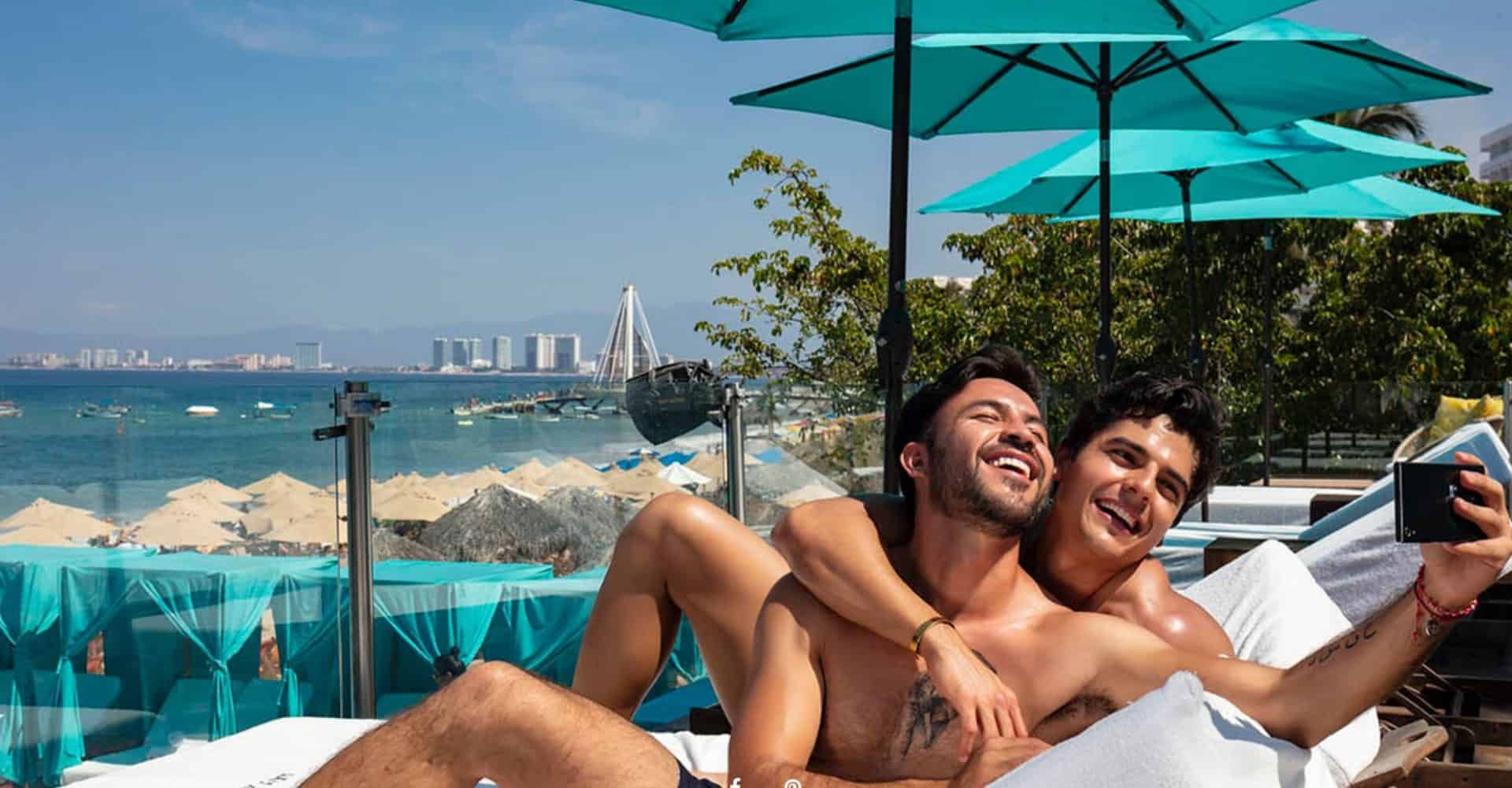
This is where Mexico continues to win attention, especially Puerto Vallarta. The destination already has a long track record with LGBT+ travellers, but what keeps it relevant is range. You can go full beach-and-bar mode. You can keep it romantic. You can stay near the social core of the Zona Romántica or branch out into a broader Riviera Maya itinerary for a longer holiday. Puerto Vallarta’s official tourism material does not hide the LGBT+ angle either. It has a dedicated page for LGBT vacations and directs visitors to specialist local guidance.
Mexico
Puerto Vallarta works for repeat travellers because it still delivers, and it works for first-timers because it is easy to read. The rhythm is simple. Beach by day, options by night, and plenty of other travellers around you who are there for the same reason. That removes a lot of the mental effort that can come with choosing somewhere less proven.
For travellers after an adults-only LGBT-focused stay, Almar Resort calls itself the only luxury gay hotel in Puerto Vallarta’s Romantic Zone and sells that beachfront location strongly. It suits travellers who want a social setting without giving up comfort. If we have a live offer for Almar Resort when you are ready to book, we can add it to your holiday quote.
The other reason Mexico sits inside the big LGBT+ travel trends 2026 is value with flexibility. You can build a short break, a longer beach stay, or a mixed trip with city and coast. That matters for UK clients, and it also matters for clients travelling from outside the UK, including the United States. We can tailor the holiday around where you are flying from, not only around where you want to end up. If Puerto Vallarta feels like your kind of trip, our guide to gay Mexico holidays compares it with Cancun and Riviera Maya so you can choose the base that fits you best.
How Gay Friendly is Mexico?
Marriage between same-sex couples is legal across Mexico. Reuters reported that when Tamaulipas approved equal marriage in 2022, same-sex marriage became legal in every district across the country. ILGA’s database notes that Mexico’s federal anti-discrimination law lists sexual preferences as a protected class, and that employment discrimination is prohibited under Article 9(IV). Public opinion is positive overall, though not as strong as Spain. Pew found that 63% of adults in Mexico support same-sex marriage. In practice, destinations like Puerto Vallarta feel more relaxed and visible than some other parts of the country, which is why local knowledge still matters.
This is paragraph text. Click it or hit the Manage Text button to change the font, color, size, format, and more. To set up site-wide paragraph and title styles, go to Site Theme.
Trend four: long-haul trips now need meaning as well as sunshine
Another big change in 2026 is that travellers want more depth from a long-haul booking. If you are taking the time and spending the money, you want more than one-note relaxation. You want food, culture, scenery, and a story to come home with. That is why South Africa keeps returning to the shortlist. It offers city breaks, wine regions, coast, design-led stays, wildlife, and road trip potential in one holiday. It also fits the 2026 taste for mixing styles of travel in the same trip.
South Africa is not the same kind of easy beach break as Gran Canaria or Puerto Vallarta, and that is exactly the point. It is richer, broader, and more layered. For some couples, it is the dream mix of Cape Town and safari. For some friendship groups, it is food, coast, and nature. For travellers who have done the obvious gay beach destinations and want something with more range, it answers a different need.
South Africa
Cape Town remains the strongest starting point. South African Tourism describes the country as the LGBTQ+ capital of Africa and points to established communities and scenes in Cape Town and Johannesburg. Cape Town gives you mountain views, beaches, wine estates within reach, and enough nightlife to keep the trip social without making it the whole point. That wider offer is important. It lets different types of travellers enjoy the same trip for different reasons. If South Africa stands out for its mix of city life, coast, and safari, why LGBT+ travellers love visiting Cape Town is a useful follow-on read before you start shaping the wider itinerary.
This is also where good planning matters more. A South Africa holiday works best when the pacing is right. Too much moving around and it feels rushed. Too little and you miss what makes the destination special. A specialist can shape that balance for you. So can a specialist who understands LGBT+ travel, not just travel in general.
How Gay Friendly is South Africa?
South Africa legally recognises same-sex marriage through the Civil Union Act, which came into force on 30 November 2006. ILGA notes constitutional protection against discrimination based on sexual orientation and protections in areas including employment. South African Tourism also says the country has established gay and lesbian communities and scenes, while warning that attitudes in some rural areas are still evolving. Public opinion is more mixed than in Spain or Mexico. Pew reported in 2023 that 59% of South Africans opposed same-sex marriage. That does not cancel out South Africa’s importance for LGBT+ travel, but it does mean smart, place-specific advice matters.
This is paragraph text. Click it or hit the Manage Text button to change the font, color, size, format, and more. To set up site-wide paragraph and title styles, go to Site Theme.
What first-time LGBT+ travellers are asking in 2026
If you have never booked a gay holiday before, the trends above can sound bigger than they really are. In practice, most first-timers want answers to normal questions. Will we feel comfortable? Is this destination easy to navigate? Do we need to stay in the middle of the gay scene or just near enough to dip in and out? Is a specialist worth it if we already know where we want to go?
The honest answer is yes, often more than ever. Research can tell you where same-sex marriage is legal. It can tell you whether public opinion is positive. It can show you official tourism pages. What it cannot do as neatly is judge fit. That is the part that turns a trip from fine into right. One couple may love Maspalomas and hate central Bangkok. Another may want the exact opposite. One solo traveller may want a social resort. Another may want a quiet design hotel near the action, not inside it. The booking only works when the detail matches the person.
A good holiday should not make you edit yourself. That line may be simple, but it is shareable for a reason. It gets to the point.


Jamie Says:
"The travellers who come to us now are rarely asking for a place that is simply called gay friendly. They want to know if the trip will feel easy from the first enquiry to the flight home. That means the right destination, the right hotel, and advice that reflects real life, not brochure language.”
Jamie Wake, Managing Director
How Wide Awake Holidays responds to LGBT+ travel trends 2026
This is where using a specialist matters. Wide Awake Holidays is a gay-owned travel company in the UK, and we believe that sometimes gay friendly is not friendly enough. We offer a personal travel service, access to a wide range of suppliers and tour operators, and tailor-made holidays built around individual needs. We can also arrange travel for customers outside the UK, including from the United States, so the service is not limited to one departure market.
There is also the protection side, which matters just as much as the inspiration. When you book a tailor-made holiday through Jamie Wake Travel, you receive Supplier Failure Insurance and Scheduled Airline Failure Insurance. We are also a member of Protected Trust Services and hold an ATOL licence. That means your trip is backed by meaningful financial protection as well as personal planning support. For many travellers, that mix is exactly what turns browsing into booking.
Ready to plan a trip that feels right for you?
The smartest LGBT+ travel trends 2026 are not really about trends at all. They are about clarity. Travellers want destinations that match their comfort level, their style, and their relationship to community. Some want a tried and tested gay beach break. Some want a honeymoon in a country that now recognises their marriage. Some want chosen family time in the sun. Some want a long-haul trip with more depth.
Wherever you sit on that scale, we can help shape the trip around you. Whether you are travelling from the UK or from overseas, Wide Awake Holidays can put together a holiday that fits your plans, your pace, and your priorities. To make a holiday enquiry, call us on 01495 400947 or use the holiday enquiry form on our website.
Send an Enquiry:
We will get back to you as soon as possible.
Please try again later.
Frequently Asked Questions
What do LGBT+ travel trends 2026 mean for couples booking a holiday?
They point to trips that feel more tailored and more reassuring. Couples are looking more closely at legal recognition, hotel attitude, destination mood, and whether a place feels easy in real life, not only in marketing.
Which destinations best reflect LGBT+ travel trends 2026 right now?
Spain, Thailand, Mexico, and South Africa all stand out for different reasons. Spain offers strong legal backing and easy beach culture, Thailand brings fresh momentum after marriage equality, Mexico blends value with community, and South Africa offers a richer long-haul mix.
Is Thailand a good choice for an LGBT+ honeymoon in 2026?
Yes. Thailand now recognises same-sex marriage, and it combines city, beach, luxury, and romance very well. It suits couples who want a multi-stop trip without complicated logistics.
Are gay holidays only for people who travel regularly within the LGBT+ scene?
Not at all. Many first-time travellers want a holiday that simply feels more relaxed and more understood. You do not need to want nightlife every night to benefit from specialist LGBT+ travel advice.
How useful are legal rights when choosing a destination?
They matter because they tell you how much formal protection exists if something goes wrong. In the context of LGBT+ travel trends 2026, travellers increasingly want both cultural comfort and legal support rather than one without the other.
Is Puerto Vallarta still one of the best places for a first gay holiday?
Yes. It remains one of the easiest places to understand quickly because the community is visible, the beach scene is established, and the destination has long experience with LGBT+ tourism. The local tourism board also provides dedicated LGBT planning support.
What protections do I get when booking through Jamie Wake Travel?
For tailor-made holidays, you receive Supplier Failure Insurance and Scheduled Airline Failure Insurance. Jamie Wake Travel is also a member of Protected Trust Services and holds an ATOL licence.
Do LGBT+ travel trends 2026 suggest more people are booking with specialists again?
In many cases, yes. Travellers have more information than ever, but they also want help judging which destination, hotel, and itinerary truly fit them. That is where a specialist adds real value.
Can Wide Awake Holidays arrange trips for customers outside the UK?
Yes. Although we are based in the UK, we can also arrange travel for customers from outside the UK, including the United States, with the holiday tailored around their departure point and plans.
Why does “gay friendly” sometimes feel too vague now?
Because many travellers want more than polite tolerance. They want the right room set-up, staff who understand them, destinations with stronger rights, and a trip where they do not have to second-guess small details.
Some of our Latest Offers
Discover our latest hand-picked travel offers below – automatically updated and inspired by the destinations featured in this blog.