
Top LGBT+ Historical Landmarks in Europe You Should Visit
Must-See LGBTQ+ Landmarks in Europe
A traveller’s guide to LGBT+ historical landmarks in Europe
You can tick off cathedrals and castles in any city. LGBT+ historical landmarks in Europe do something else. They put you in the footsteps of people who made room for love, art, protest, and community when the world made that hard. That shift changes how a trip feels, even if you are new to LGBT+ travel.
This guide is for two types of travellers. If you book gay holidays often, you will recognise some classics and still find fresh angles, side streets, and museums worth your time. If you have never taken a gay holiday, you will find practical ways to visit with confidence, plus a clear sense of why these LGBT+ historical landmarks in Europe matter without making it feel like homework.
You do not need to be a history buff. You just need curiosity.
How to use this list of LGBT+ historical landmarks in Europe
Some LGBT+ historical landmarks in Europe are public memorials you can visit in ten minutes. Others are museums, archives, or neighbourhoods that reward half a day. So, think in layers: pick one “anchor” landmark per city, add one museum or archive, then add one local experience like a walking tour, bookshop, or community café.
If you want a wider shortlist beyond the stops in this guide, our round-up of Must-See LGBTQ+ Landmarks in Europe gives you more ideas to add to your route.
Netherlands: LGBT+ historical landmarks in Europe in Amsterdam
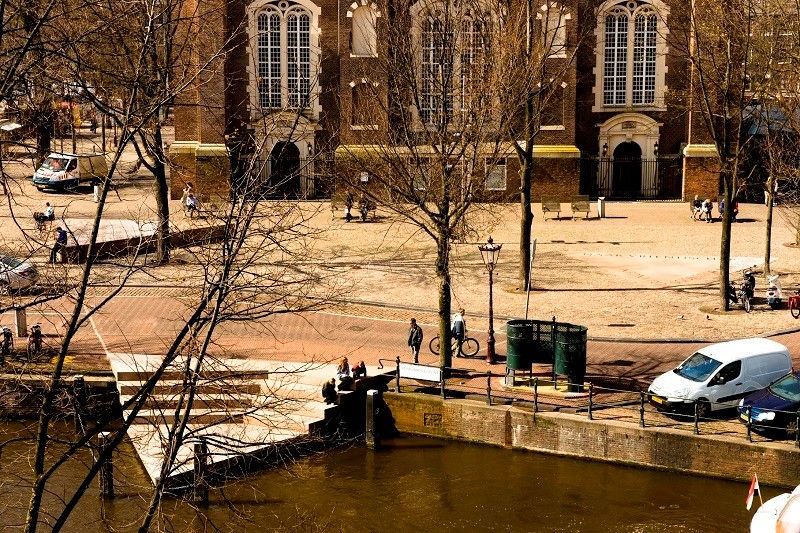
Amsterdam is a perfect starter city for LGBT+ history travel. It is compact, walkable, and full of signage and museums that help you connect dots fast. It is also a place where remembrance is woven into daily life.
Homomonument (Westermarkt)
The Homomonument is one of the world’s first public memorials to LGBTQ+ people persecuted for who they are. It sits beside a canal near the Westerkerk, shaped as three pink granite triangles. You can stand there at any hour, watch boats pass, and feel the weight of a statement made in public space.
Go early for a quiet moment, then return later when the area is lively. LGBT+ historical landmarks in Europe often carry that mix of grief and joy.
IHLIA LGBTI Heritage collection
If you like archives, IHLIA is a treat. It holds books, magazines, posters, and community material that shows how everyday queer life looked across decades. Even a short visit can sharpen the rest of your trip.
Reguliersdwarsstraat as a living landmark
This is not a monument, yet it is a living chapter of LGBT+ historical landmarks in Europe. Reguliersdwarsstraat is one of Amsterdam’s best-known LGBT+ streets, with venues that have shaped local nightlife and community life for years. A simple evening walk can be the “soft landing” for first-time gay holiday travellers.
Hotel idea: The Manor Amsterdam suits travellers who want a calmer base with easy tram links to the centre. Offer line you can remove: Ask us to check current packages and added-value perks for your dates.
One-day route: Homomonument first, then a heritage stop like IHLIA, then an easy evening on Reguliersdwarsstraat.
How Gay Friendly is the Netherlands?
The Netherlands has long been a leader in legal recognition for same-sex couples, including marriage equality. Anti-discrimination protections exist in law, and employment protections are well established. Public opinion is broadly supportive, especially in larger cities, and Amsterdam is widely relaxed.
Even so, choose well-lit routes late at night and keep normal city awareness, just as you would anywhere. In Amsterdam, you can read the story behind the Homomonument before you visit, which makes that canal-side stop hit much harder.
Germany: LGBT+ historical landmarks in Europe in Berlin
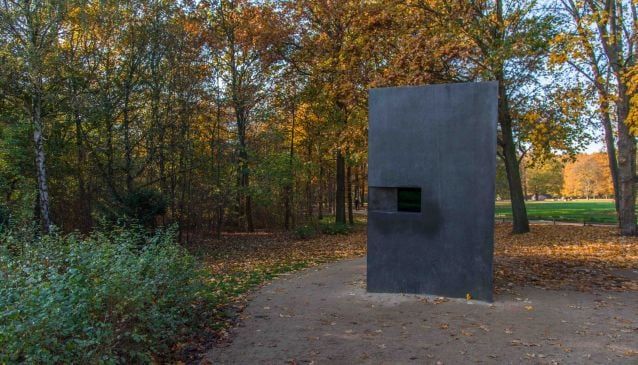
Berlin gives you queer history in bold type. It can be celebratory, raw, and confronting in the same afternoon. That mix is part of the city’s power.
Memorial to Homosexuals Persecuted Under Nazism (Tiergarten)
Near the Brandenburg Gate, this memorial is simple, stark, and hard to forget. It honours gay men and lesbians persecuted under the Nazi regime. The location matters because it sits close to other national memorials, signalling that queer history belongs in the public story.
Give yourself time to stand still. Then walk into Tiergarten and let the city breathe.
Schöneberg and the legacy of Weimar Berlin
Schöneberg is a key chapter in Berlin’s queer history. In the Weimar era it became known for nightlife, art, and a level of openness that later collapsed under fascism. A guided walking tour helps because many stories are tied to buildings that look ordinary from the outside. That “hidden in plain sight” feeling shows up across LGBT+ historical landmarks in Europe.
Hotel idea: Axel Hotel Berlin sits in Schöneberg and is built with LGBTQ+ travellers in mind. Offer line you can remove: We can price this with flights and transfers and share any supplier perks available when you enquire.
One-day route: morning memorial time near Tiergarten, afternoon history walk in Schöneberg, evening in a venue that matches your pace.
How Gay Friendly is Germany?
Germany recognises same-sex marriage and applies anti-discrimination rules across work and services, which makes planning LGBT+ historical landmarks in Europe in major cities feel straightforward. Berlin, Cologne, and Hamburg have strong LGBT+ infrastructure and visible community life. Attitudes can vary by region, so smaller towns may feel quieter rather than unfriendly.
Before you book trains and hotel nights, it’s worth browsing
LGBT+ History in Berlin: Exploring the City’s Queer Heritage so you can line up the memorials and neighbourhoods in the right order.
France: LGBT+ historical landmarks in Europe in Paris
Paris is sold as romance. For LGBT+ travellers, it is also a city of coded lives, artistic rebellion, and political change. If you enjoy literature, Paris turns LGBT+ historical landmarks in Europe into a treasure map.
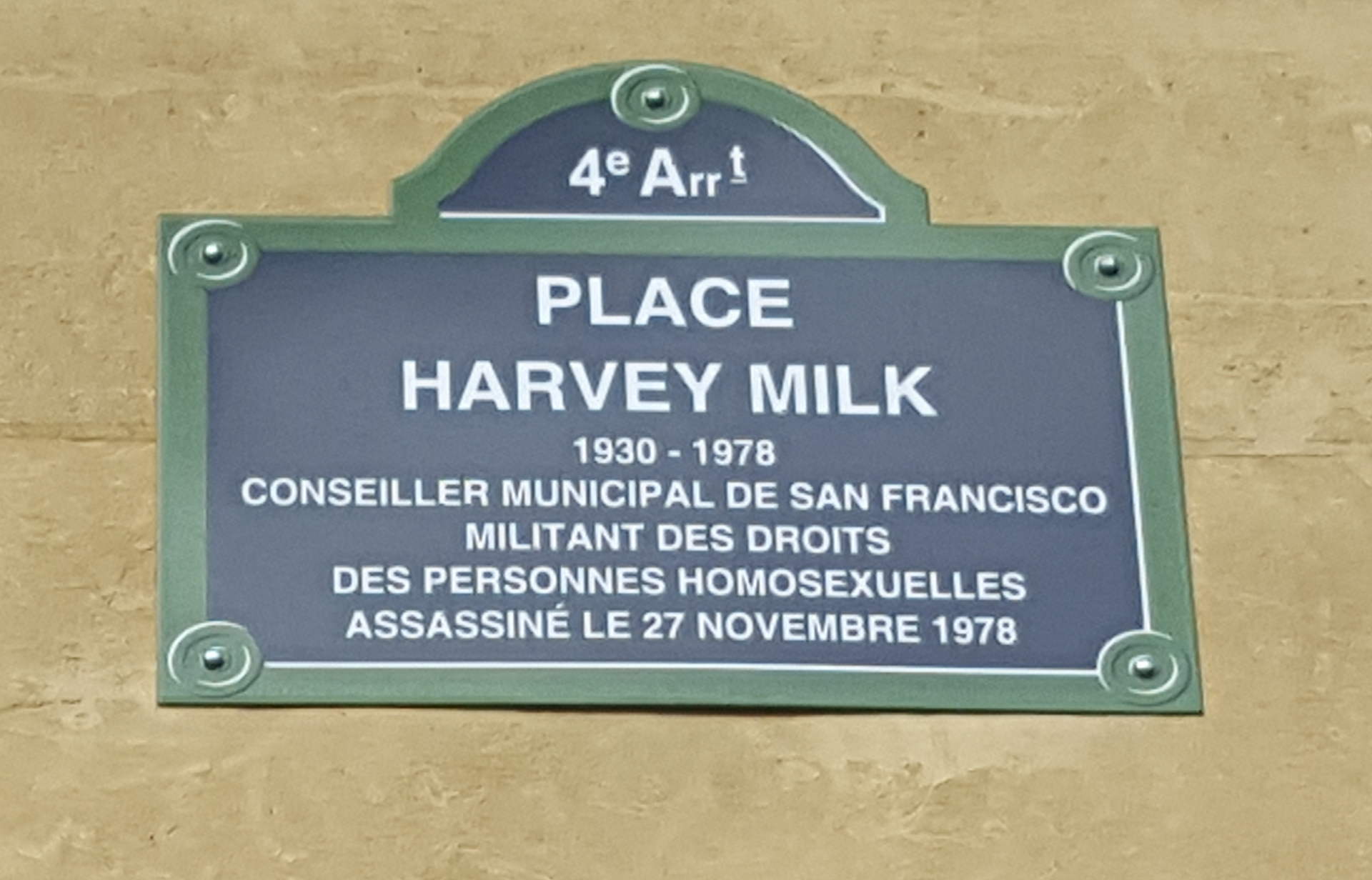
Place Harvey Milk (Le Marais)
Le Marais is one of Europe’s best-known queer neighbourhoods. Place Harvey Milk adds a clear signal that LGBTQ+ history belongs in street names and public squares. It is a small place, yet it sits in a wider area full of cafés, bookshops, and community energy.
Oscar Wilde’s tomb (Père Lachaise)
Père Lachaise is calm and beautiful, and it can teach you a lot about the living. Oscar Wilde’s tomb has been a pilgrimage site for years. The story of exile, punishment, and later celebration is easy to feel when you are there.
Wear comfortable shoes and plan extra time. You will not rush this. If Paris is your first stop for LGBT+ historical landmarks in Europe, our planning guide How to Plan a LGBT+ Holiday to Paris: Your Guide to Gay City Breaks helps you map Le Marais time, museums, and evenings without overpacking your days.
Queer Paris on the Left Bank
The Left Bank’s literary history includes queer lives that were often hidden in plain sight. A specialist walking tour can connect you to writers, salons, and meeting spots without making you spend hours researching addresses.
Hotel idea: A boutique base in Le Marais is ideal if you want walkable evenings and quick access to key sights. Offer line you can remove: Tell us your budget and style and we will shortlist the best options with flexible cancellation terms.
One-day route: Le Marais in the morning, Père Lachaise in the afternoon, then back to Le Marais for dinner and a show.
How Gay Friendly is France?
France recognises same-sex marriage and has legal protections against discrimination, including at work. Paris is used to LGBT+ visitors and Le Marais is a comfort zone for many travellers.
Outside Paris, some regions are more traditional, still many areas are welcoming and used to tourism. If you prefer an easy start, choose a major city and branch out from there.
Spain: LGBT+ historical landmarks in Europe with a modern heartbeat
Spain blends history with a strong present-day scene. You can visit a serious museum in the afternoon and dance in a packed bar at midnight. That range can be energising.
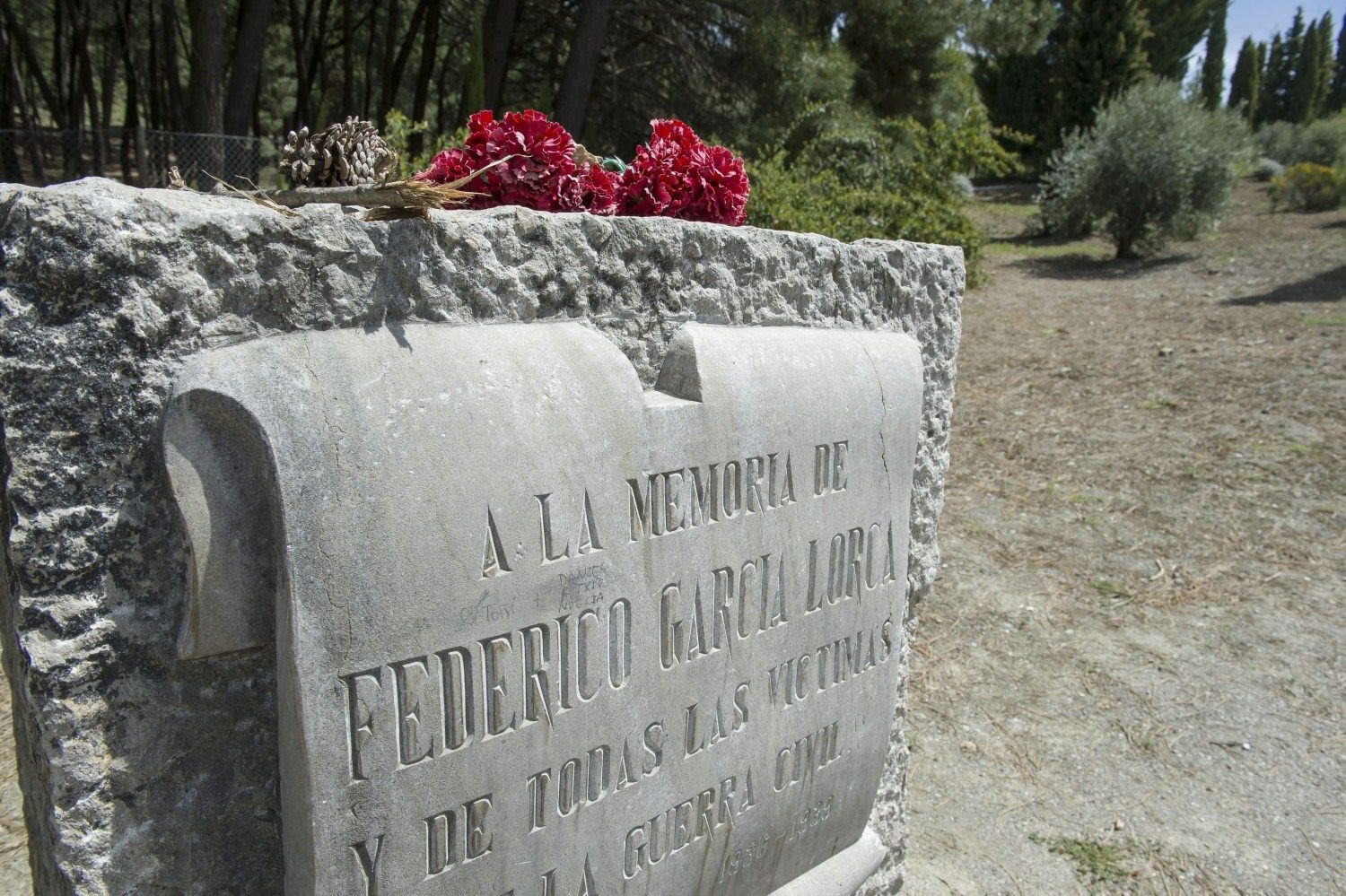
Federico García Lorca threads (Granada and beyond)
Lorca’s life and death speak to art, politics, and identity. Visiting Granada with Lorca in mind can change how you see the city, especially if you pair it with a museum visit focused on his work and the wider context of the Spanish Civil War.
Here, the “landmark” is a network of places connected by story. That is common with LGBT+ historical landmarks in Europe.
Chueca (Madrid) as a living landmark
Chueca is not a memorial. It is a neighbourhood that has carried community life through shifts in politics and culture. Streets and squares here feel like LGBT+ historical landmarks in Europe in real time because they show what happens when visibility becomes normal.
If you are new to gay holidays, Madrid is a friendly place to test the waters. You can choose quiet cafés, busy bars, or something in between.
Barcelona’s “Gayxample” and city trail
Barcelona’s Eixample district includes the so-called “Gayxample”, where LGBTQ+ nightlife and hotels cluster. Add a daytime history walk and you get a full-spectrum trip: architecture, food, beach time, and community.
Hotel idea: Axel Hotel Barcelona sits in the heart of the Gayxample, and TWO Hotel Barcelona by Axel is another adults-only option nearby. Offer line you can remove: Ask us to price these with flights and transfers, and we will show you the strongest value options for your dates.
One-day route: culture first, then a relaxed Chueca or Gayxample evening, then decide if you want a late night.
How Gay Friendly is Spain?
Spain recognises same-sex marriage and has strong legal protections against discrimination, including in employment. Public opinion is widely supportive and cities like Madrid and Barcelona are highly visible.
For many travellers, Spain feels easy. That ease is why it often becomes a first-time gay holiday destination.
Czechia: LGBT+ historical landmarks in Europe in Prague
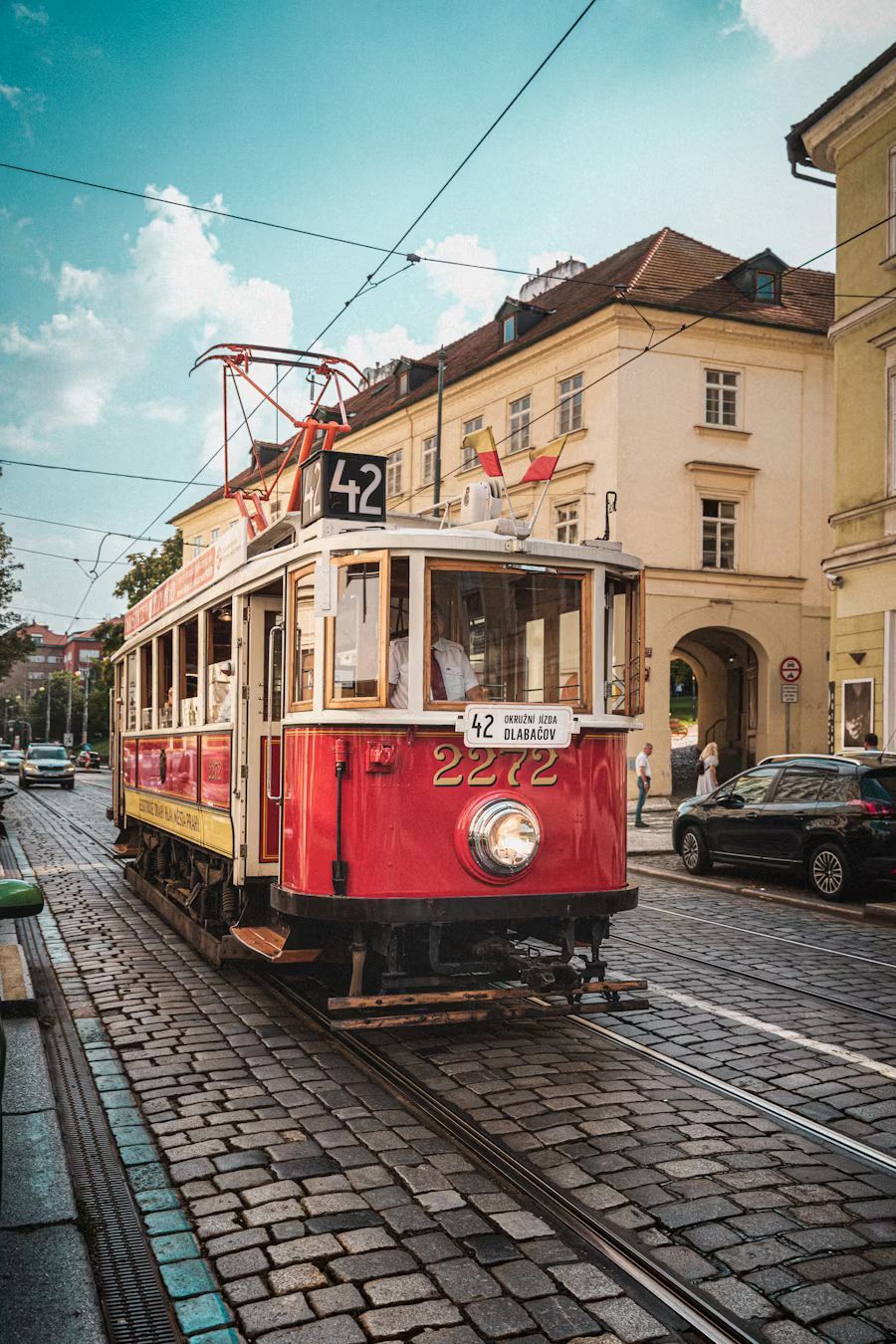
Prague is a city of gothic drama and river views, yet it also has a quietly resilient queer scene. It can be a good choice if you want culture first and nightlife as an option, not a requirement.
Queer history walks and cultural venues
Some of Prague’s most meaningful queer history is best accessed through walking tours and cultural venues rather than big monuments. A specialist guide can connect you to stories of writers, artists, and activists, plus the way life shifted before and after 1989.
If you prefer self-guided travel, pick a route and go slowly. Stop for coffee, read plaques, and let the city speak.
Hotel idea: Choose a central hotel near the river or Old Town so you can walk back easily after an evening out. Offer line you can remove: Tell us if you want a quiet hotel or a nightlife-forward base and we will tailor the shortlist.
One-day route: morning museum time for context, afternoon walking route, then an easy evening.
How Gay Friendly is Czechia?
Czechia does not offer full marriage equality in the same way as some Western European countries, though it has expanded rights through partnership laws. Anti-discrimination protections exist, and Prague is usually relaxed for visitors. Public opinion often leans more supportive than the law suggests, while politics moves at a slower pace.
If you want to keep things simple, stay central and choose established venues.
Greece: LGBT+ historical landmarks in Europe, with Mykonos as a modern icon
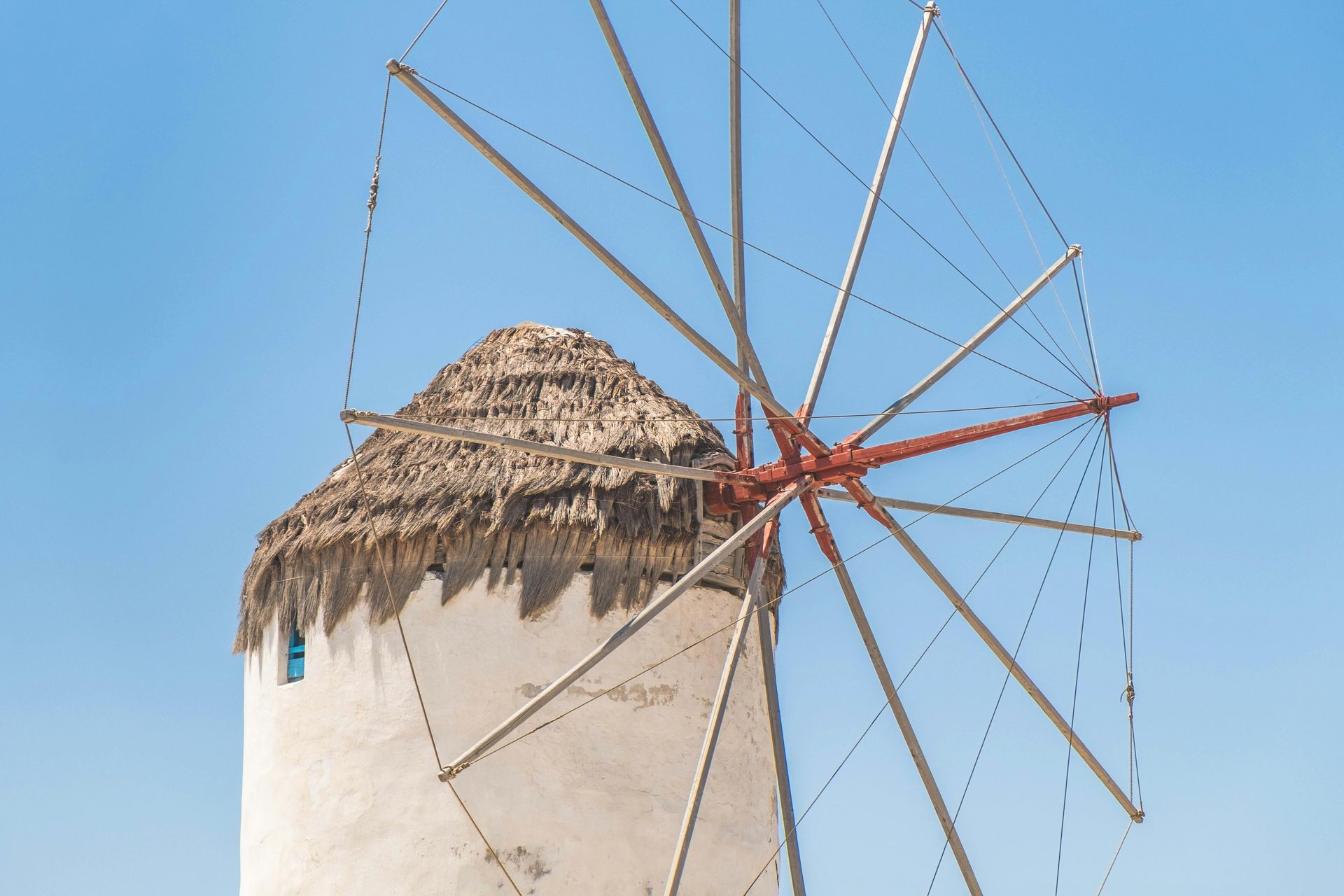
Greece has ancient history everywhere, yet LGBT+ travellers often connect most with its modern, lived culture. Mykonos has become a symbol of freedom for decades, and that story is part of Europe’s queer travel heritage. If you’re finishing your LGBT+ historical landmarks in Europe trip with island time, Gay Mykonos Holidays: Where to Stay, Party & Relax is a useful next read for picking the right area and vibe.
Mykonos Town and queer summer legacy
This is not one plaque. It is a landscape of bars, beaches, and street life where queer visitors have returned year after year. For many people, their first experience of being openly themselves on holiday happened here.
You can still do it with balance. Visit museums and archaeological sites in the daytime, then step into nightlife when you feel ready.
Elysium Hotel, Mykonos Town (exclusive gay property)
If you want a property that is explicitly gay, Elysium in Mykonos Town is often described as an exclusive gay hotel with a strong sunset-bar scene and regular events. Offer line you can remove: If you want Elysium, ask us to check the best room categories and any supplier offers available for your travel window.
One-day route: daytime culture and sea views, sunset drinks, then an evening that matches your pace.
How Gay Friendly is Greece?
Greece has taken notable legal steps in recent years, including recognising same-sex marriage. Legal protections against discrimination have also expanded over time in areas like work and services. Public opinion is mixed and can vary by region, with islands used to international tourism often feeling easier for visitors.
If you want a low-stress trip, choose a well-known destination such as Mykonos or Athens and keep your plans centred around established areas.
United Kingdom: LGBT+ historical landmarks in Europe on home ground
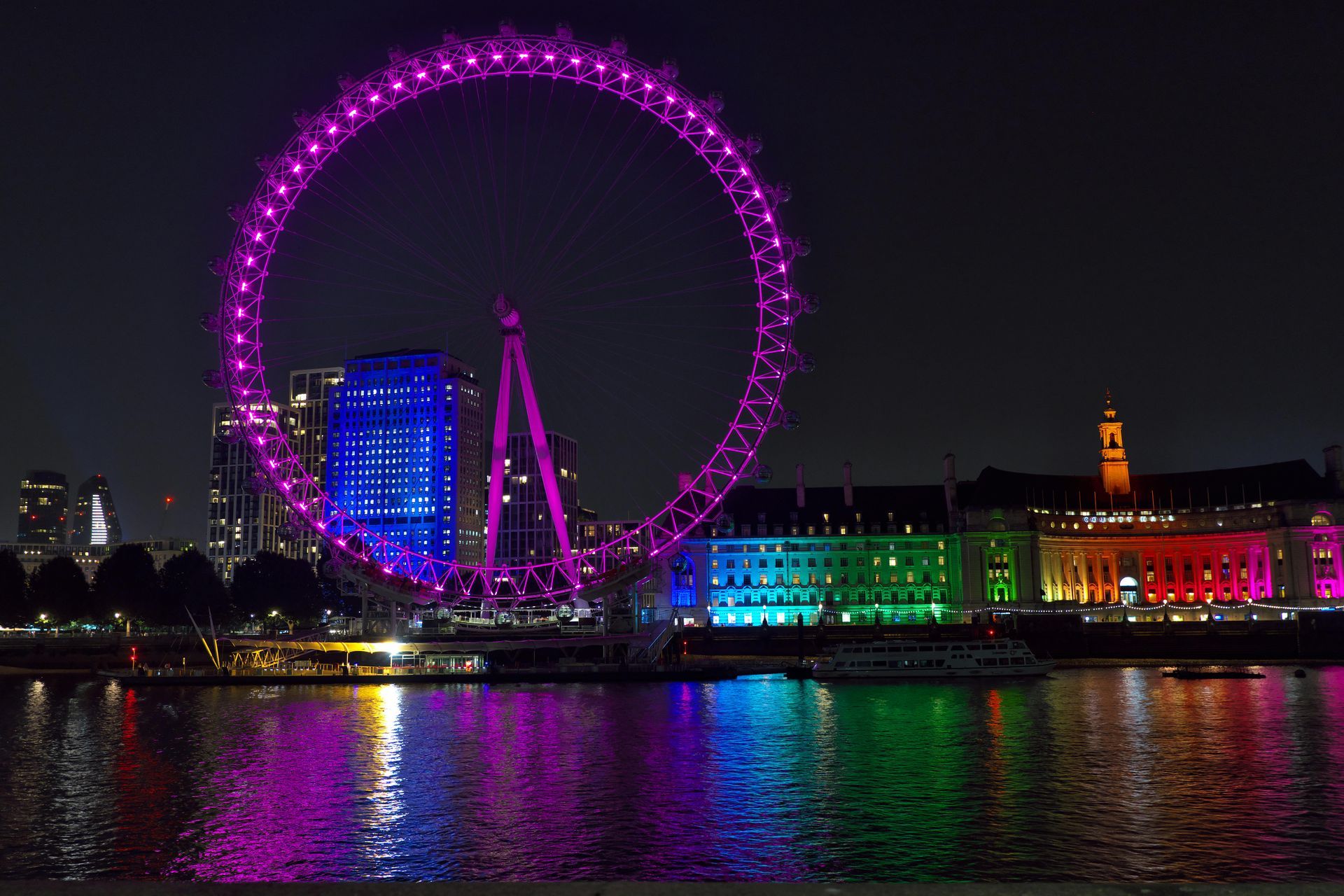
If you are UK-based, it can be tempting to look abroad first. Still, the UK has powerful queer heritage sites that can anchor a wider Europe trip, or serve as a weekend “history hit” between bigger holidays.
Shibden Hall (West Yorkshire)
Shibden Hall is closely linked with Anne Lister, whose diaries give an unusually detailed record of lesbian life in the early 19th century. Visiting gives you a physical sense of place, not just a TV-inspired idea.
It is also a reminder that LGBT+ historical landmarks in Europe are not only city nightlife. They can be country houses, letters, and the quiet endurance of daily life.
Soho as a neighbourhood landmark
London’s Soho is a long-running hub for LGBT+ nightlife and community. Many key moments in modern British queer history are tied to venues and streets here. The “landmark” is the neighbourhood itself, and the way it has held space for people across decades.
Hotel idea: A central London base near Soho makes late nights easy and reduces travel stress. Offer line you can remove: We can bundle hotels, rail, and theatre nights into one tailored plan, based on your dates.
One-day route: Shibden as a day trip with time for walking and tea rooms, or Soho as an afternoon-and-evening history trail.
How Gay Friendly is the United Kingdom?
The UK recognises same-sex marriage and has long-standing equality laws covering discrimination, including in employment. London, Manchester, Brighton, and Edinburgh have strong LGBT+ infrastructure and visible community life.
If you are travelling beyond the big cities, you may see fewer LGBT+ venues. For many visitors, that reads as quieter rather than unsafe.
Planning routes around LGBT+ historical landmarks in Europe
A common planning question is: do you do one city well, or do you string several together? Your answer should match your energy.
If you like slower travel, pick one city and plan one major landmark per day with plenty of café time. If you enjoy movement and trains, a multi-city route can feel like a history trail you can taste and touch.
Three route ideas for LGBT+ historical landmarks in Europe:
- Amsterdam and Berlin: memorials, archives, and classic nightlife areas
- Paris and Barcelona: literature, neighbourhood culture, and food-led days
- Madrid and Mykonos: city energy followed by island release
If you are based outside the UK, including the United States, we can still build these routes for you. We can arrange flights from your home airport, coordinate connections, and keep the itinerary coherent across suppliers.

Jamie Says:
"People come to us for a brilliant holiday, and they stay with us because we make it feel safe, personal, and properly thought through. When you travel for LGBT+ history, the details matter, so I like building routes that flow, with the right hotels and the right pace."
Jamie Wake, Managing Director
Booking protections when you travel with Jamie Wake Travel
Wide Awake Holidays is a gay-owned UK travel company, and we take protection seriously because travel should feel exciting, not risky. When you book through Jamie Wake Travel, you benefit from layers of financial protection that depend on how your trip is structured.
If your booking includes flights as part of a protected package, ATOL protection can apply, helping protect your money if the travel company or supplier fails. We are also a member of Protected Trust Services, which adds another layer designed to safeguard customer funds held in trust.
For tailor-made arrangements, we build trips using a wide network of suppliers and tour operators and we include Supplier Failure Insurance and Scheduled Airline Failure Insurance as standard for tailor-made holidays. That means you are not relying on one company staying healthy.
Protection is not only a logo. It is a process. We will explain, in plain English, what applies to your specific booking, and we will keep documentation clear so you know where you stand from the day you pay your deposit.
Practical tips for visiting LGBT+ historical landmarks in Europe with confidence
If you have never taken a gay holiday, small decisions can make a big difference. Start with a destination that has visible community life, then build from there.
A few practical tips:
- Book accommodation in central areas you can walk at night
- Use guided tours for context, especially where stories are tied to “ordinary” buildings
- Plan one big cultural stop per day and keep the rest flexible
- If you are unsure about a destination, keep public affection low-key until you read the room
One more thing: ask yourself what you want to feel on this trip. Pride, grief, joy, or all three?
Ready to plan your own route through LGBT+ historical landmarks in Europe?
If this list sparked ideas, we can shape them into a trip that fits your budget, your pace, and your comfort level. We will tailor-make your itinerary, recommend hotels that suit LGBT+ travellers, and build a route that connects the landmarks with the experiences that make travel feel alive.
To get started, phone us on 01495 400947 or use
our holiday enquiry form on our website. Tell us the cities you want, the dates you have, and what kind of trip you want it to be.
Send an Enquiry:
We will get back to you as soon as possible.
Please try again later.
Frequently Asked Questions
What are the best LGBT+ historical landmarks in Europe for a first-time gay holiday?
A good first trip mixes one memorial, one museum or archive, and one LGBT+ neighbourhood. Amsterdam and Berlin are strong starters because the key sites are easy to reach and the local scene is visible.
How do I plan a route around LGBT+ historical landmarks in Europe without rushing?
Pick one anchor site each day, then plan one flexible block for food, galleries, or a walking tour. Build travel days into the schedule so you are not arriving and sprinting.
Are LGBT+ historical landmarks in Europe suitable for couples who do not like nightlife?
Yes. Many landmarks are memorials, museums, cemeteries, historic houses, and neighbourhood walks. You can build a trip that ends with a quiet dinner and still feel fully connected to LGBT+ history.
Which city is best if I want LGBT+ history and romance together?
Paris works well because Le Marais pairs public history with great food, walks, and culture. Amsterdam can feel romantic too, especially around the canals and the Homomonument area.
Do I need guided tours, or can I visit these places solo?
You can do both. Tours add context where stories are “hidden in plain sight”, like Schöneberg in Berlin or parts of Prague. Solo travel works well for memorials and major museums.
What should I expect in destinations where marriage equality is limited or newer?
You may see fewer visible LGBT+ venues and a more private scene. In practice, staying central and choosing established neighbourhoods often keeps things smooth for visitors.
Are there any exclusively gay hotels mentioned in this guide?
Yes. Elysium in Mykonos is often described as an exclusive gay hotel. In Spain and Germany, the Axel brand is closely associated with LGBTQ+ travellers, even when it markets itself as welcoming to everyone.
Can Wide Awake Holidays arrange trips for travellers outside the UK, like from the United States?
Yes. We can plan flights from your home airport, coordinate connections within Europe, and build the full itinerary so it runs as one joined-up trip.
What protections do I get when I book LGBT+ historical landmarks in Europe through Jamie Wake Travel?
Your protections depend on how the trip is put together. Where ATOL applies for flight-inclusive packages, it can protect your money if a supplier fails. For tailor-made holidays, we include Supplier Failure Insurance and Scheduled Airline Failure Insurance as standard, and we explain clearly what applies to your booking.
How far in advance should I book a multi-city LGBT+ history trip in Europe?
For spring and summer, aim for three to six months to get the best flight times and hotel choice. For Pride weeks, big festivals, and peak weekends, book earlier if you can.
Some of our Latest Offers
Discover our latest hand-picked travel offers below – automatically updated and inspired by the destinations featured in this blog.