
Your Complete Guide to Gay-Friendly Travel in Italy
Your Complete Guide to Gay-Friendly Travel in Italy
Plan gay holidays to Italy that actually feel easy
Gay holidays to Italy can be simple if you pick the right bases. You do not need to “do it all”. You do need the right plan.
This guide is built for LGBT+ travellers who want culture, food, beaches, and nights out. It also works if you want calm days and early dinners.
Italy is not one single vibe. Rome feels bold and busy. Meanwhile, the Amalfi Coast can feel romantic and quiet.
So the smart move is choosing
two places, not five.
You might be wondering, “Is Italy gay friendly?” The honest answer is yes in many settings. Big cities have established scenes. However, smaller towns can feel more traditional. That does not mean you should avoid them. It means you plan with comfort in mind.
This is how to use this guide. Pick one “big city base” and one “slow base”. Then decide if you want a third stop.
It is easier than it sounds once you see the options. Many travellers find it helpful to explore why Italy has become such a popular choice, which is explained in more depth in our guide to
Why Italy is a Great Destination for LGBT+ Travellers.
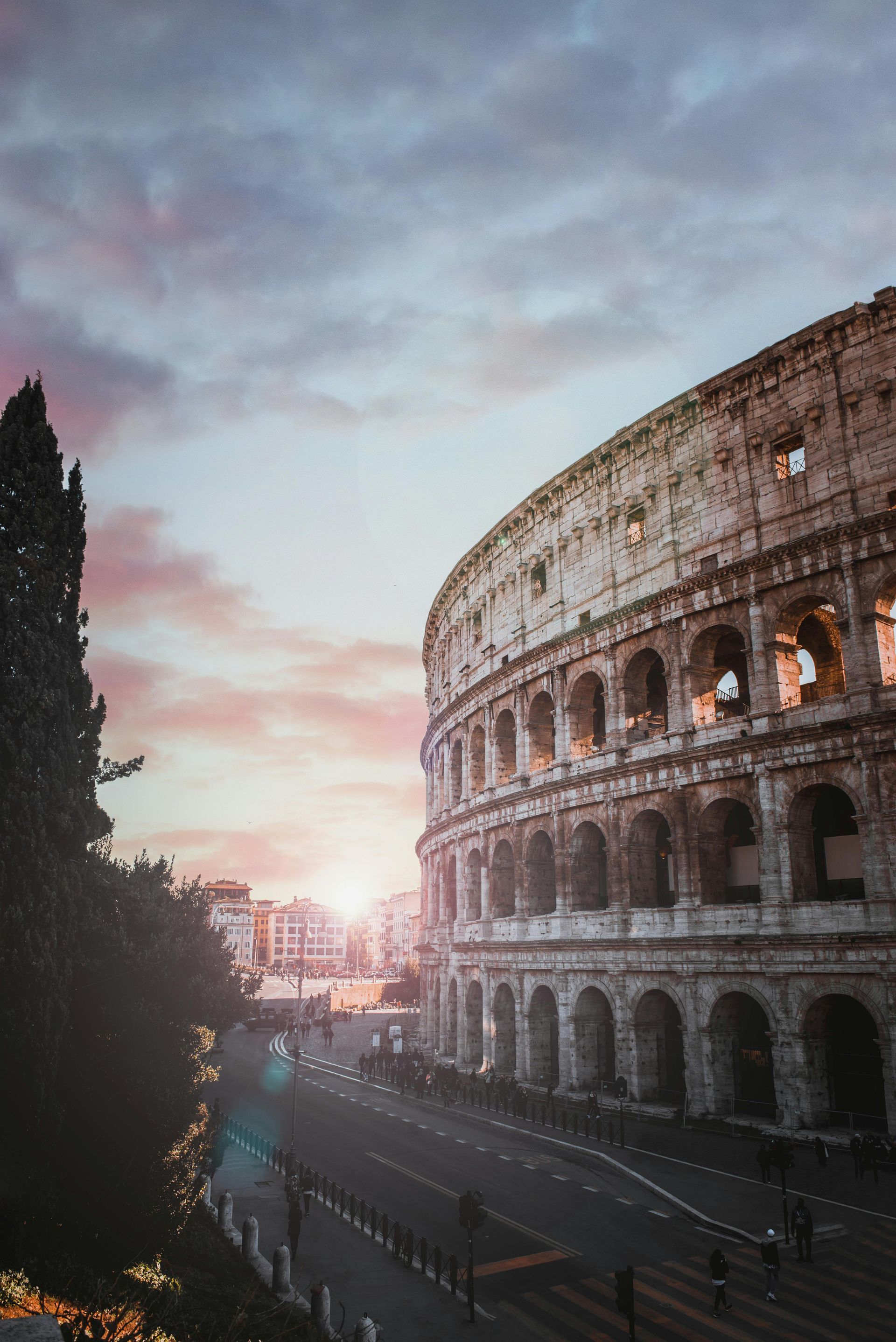
Rome
Rome is high-energy, walkable, and full of late dinners. It is also one of the easiest Italian cities for LGBT+ travellers.
You can do history in the day and still go out at night.
Stay central if you can. It cuts down on taxis. Also, it keeps your evenings flexible.
A short journey feels safer late at night.
Rome is best for couples who want a mix. It works for friends as well. You can keep things simple here. That matters if Italy is new to you. If Rome’s cultural depth appeals to you, you may also enjoy our deeper look at LGBTQ+ art, history and culture in Italy, which adds context beyond the main sights.
Where to base yourself in Rome
Aim for areas that keep you close to sights and nightlife. You want good transport links too.
A central base reduces friction every day.
- Centro Storico / around Piazza Navona: good for classic Rome and evening strolls.
- Monti: stylish, local, and easy for casual bars.
- Testaccio: foodie-heavy and lively at night, with a more local feel.
Then build days around one major sight. Add one slow moment after lunch. That stops the trip turning into a march.
It also keeps evenings fun.
How Gay Friendly is Rome?
Rome has a visible scene and long-running LGBT+ nightlife. It also hosts Pride season events most years.
You will see same-sex couples, especially in central areas.
However, it can feel more conservative around religious sites. So you read the room.
What to do in Rome when you want more than bars
Book a late-afternoon food tour. Then go for a gelato walk after. That is a strong Rome routine.
You can also do a day trip if you want a reset.
If you want a beach break without flying again, you can add the coast. It changes the pace fast.
Even two nights can be enough.
Offer link line (tailor-made help): Want Rome with flights, transfers, and a gay-friendly hotel picked for your style? Tell us your dates and we’ll build it.
Milan
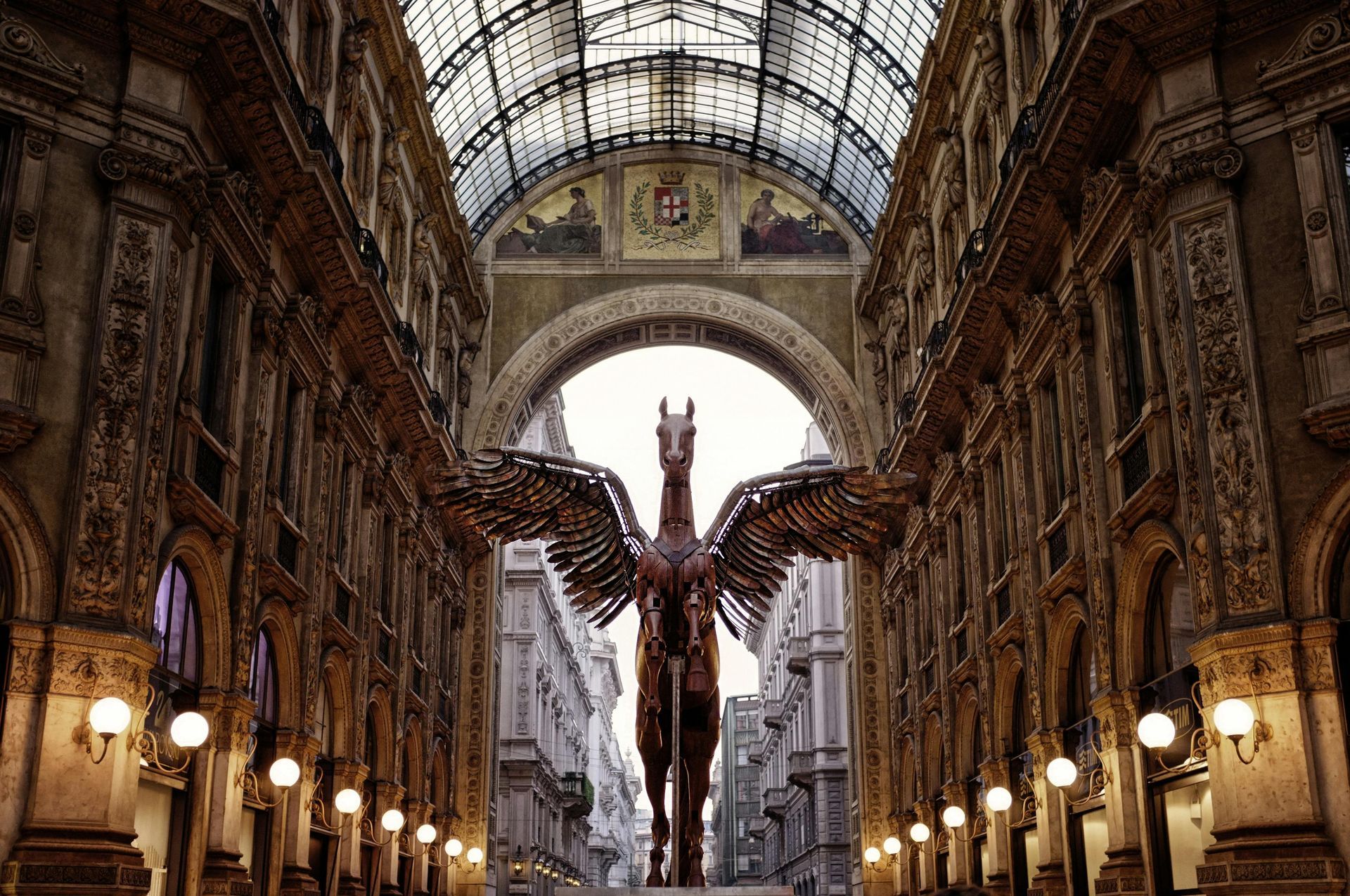
Milan is sharp, modern, and built for short breaks. It is also one of the best places for style, shopping, and big nights out. If you like cities that move fast, start here.
The city can feel spread out at first. So, your hotel location matters more than in Rome.
A good base saves time every day.
Milan works well as a 2–4 night stop. You can pair it with Lake Como. Or you can connect onwards by train.
It keeps your trip smooth, not rushed.
Where to base yourself in Milan
Look for areas that balance day plans and nightlife. You want easy metro access as well.
That makes late returns less stressful.
- Porta Venezia: a key LGBT+ area with bars and easy transport links.
- Brera: calmer and polished, with great evening options nearby.
- Navigli: canal-side drinks and a lively night feel, especially at weekends.
Plan one “big” cultural slot. Then add time for aperitivo. It is part of the city’s rhythm.
So, do not skip it.
How Gay Friendly is Milan?
Milan has one of Italy’s best-known LGBT+ scenes. It is active, and it’s visible.
You can be yourselves in most central areas. Still, you may get more stares in quieter suburbs.
What to do in Milan when you want a balanced trip
See the Duomo early to avoid crowds. Then do galleries or design districts later.
After that, lean into food and drinks.
If you want a more romantic day, add Lake Como. It is an easy upgrade.
And it breaks up the city pace nicely.
Offer link line (tailor-made help): Want Milan as a sleek city break with flights and a gay-friendly base near the metro? Share your budget and we’ll shape it around you.
Amalfi Coast
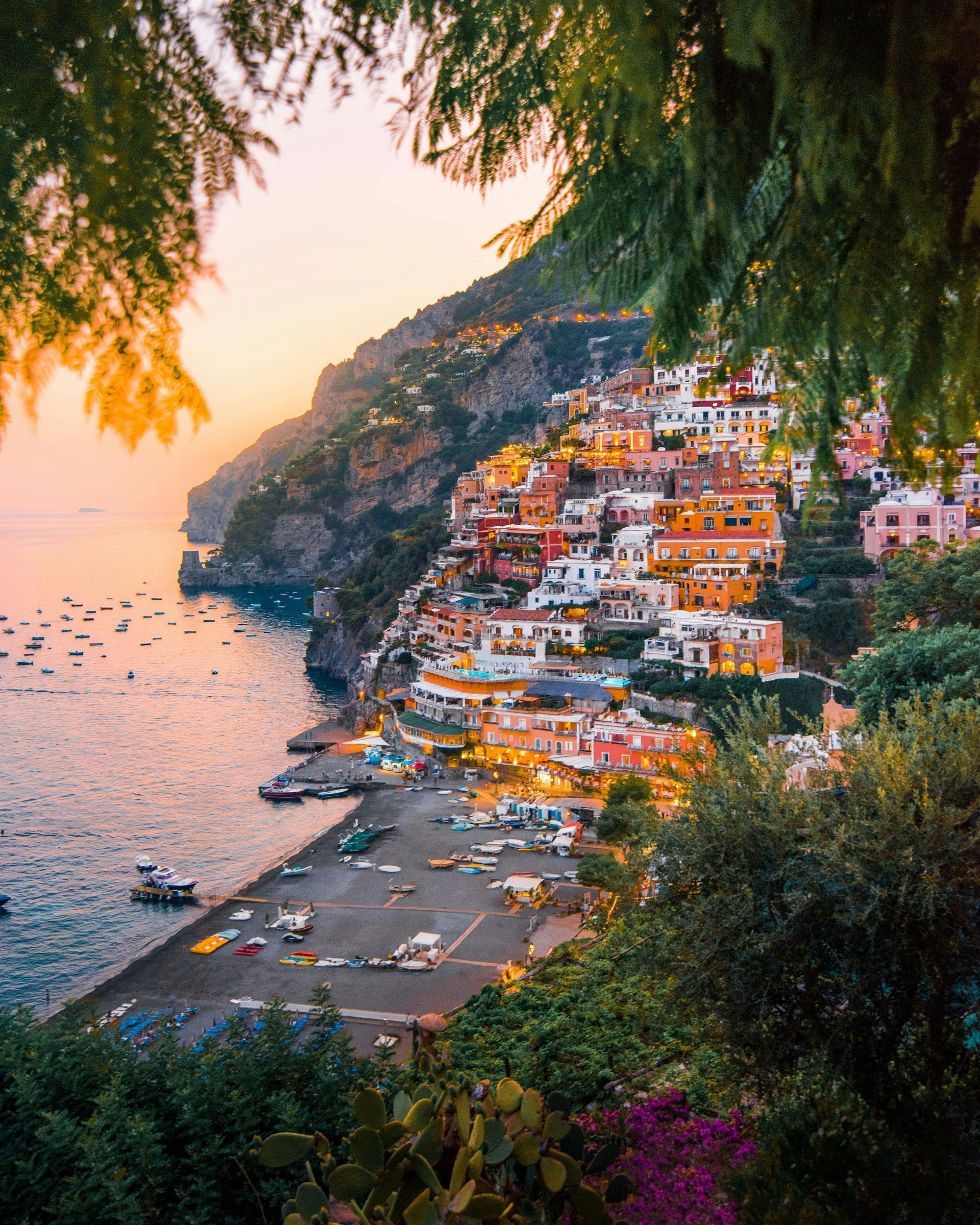
The Amalfi Coast is where gay holidays to Italy slow down. This is about views, food, and quiet confidence.
It suits couples best. It can also work for friends who want calm evenings and stylish days.
This is not a nightlife destination. That is important to say upfront.
You come here to rest, reconnect, and enjoy Italy at its most cinematic.
Base choice matters more than anything else. The coast looks compact, but travel between towns takes time.
So picking the right town changes how relaxed the trip feels.
Where to base yourself on the Amalfi Coast
Each town has a slightly different mood. There is no “one best” option.
It depends on pace, budget, and how much movement you want.
- Positano: iconic, photogenic, and lively by day. Best for first-time visitors.
- Ravello: quieter, elevated, and romantic. Ideal if you want space and views.
- Amalfi town: practical, well-connected, and good for exploring nearby villages.
Staying higher up often means better views. It can also mean more steps.
That is worth thinking about if mobility matters.
How Gay Friendly is the Amalfi Coast?
The Amalfi Coast is discreet rather than expressive. You will feel welcome, but not surrounded by visible LGBT+ spaces.
Staff in hotels and restaurants are professional and used to international guests.
Public affection is best kept low-key. That is not about safety. It is about blending in.
Many same-sex couples travel here happily every year without issues.
This is a place where confidence comes from comfort. When you feel relaxed, the destination shines.
That is why choosing the right hotel is key.
What to do on the Amalfi Coast
Build your days around one main plan. Add long lunches and sea views.
Boat trips are a highlight and change how you see the coastline.
Avoid over-scheduling. This is not the place for ticking boxes.
The joy is in repetition: coffee, swim, lunch, sunset.
Offer link line (tailor-made help): Want the Amalfi Coast paired with Rome or Milan, with transfers handled and the right hotel style? Tell us what pace you want and we’ll design it.
Florence & Tuscany
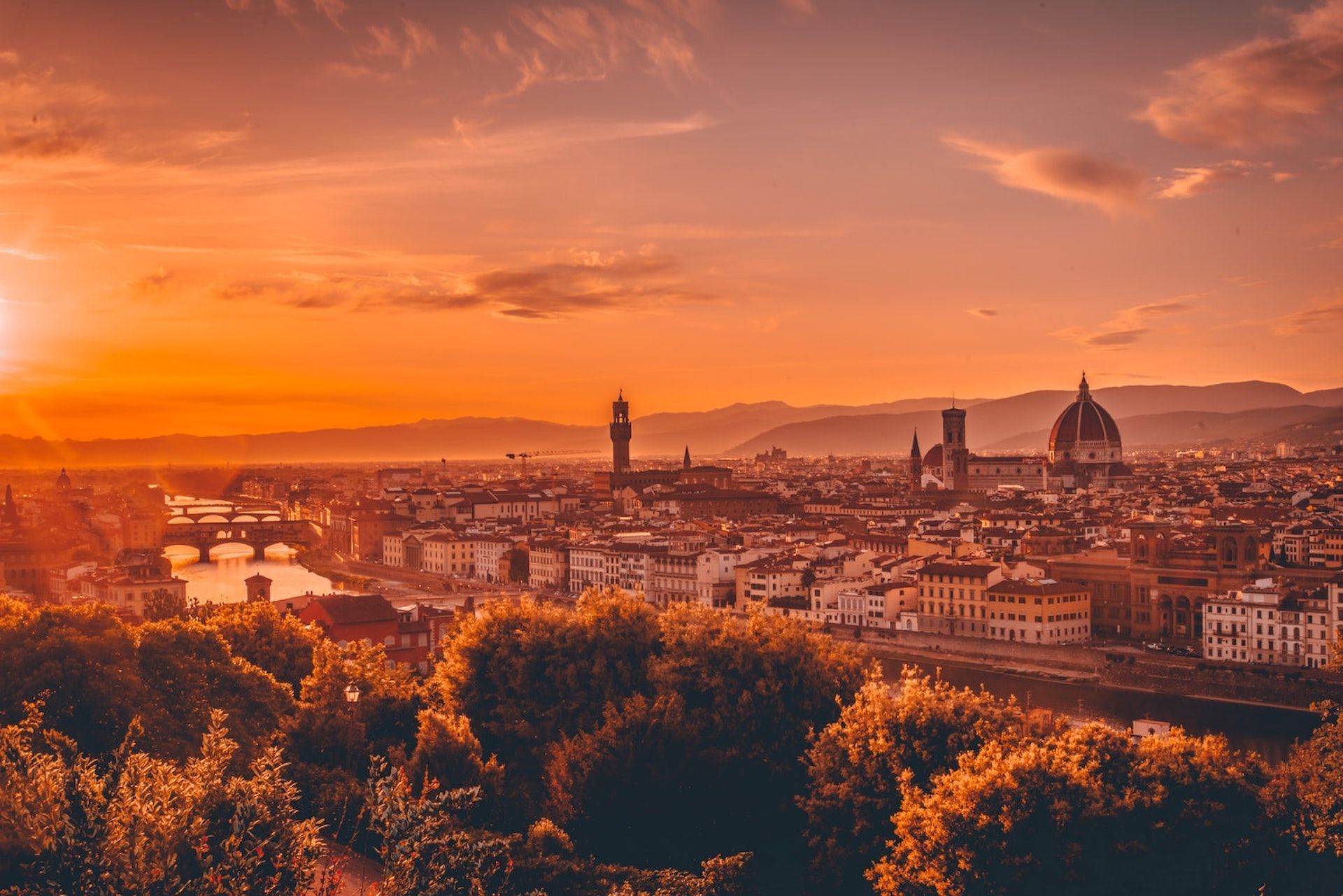
Florence is cultured, compact, and easy to love. Tuscany beyond it is slower, greener, and grounding.
Together, they create one of the most balanced gay holidays to Italy.
Florence itself works well as a walkable city break. You can see a lot without rushing.
That makes it ideal if you want culture without chaos.
Tuscany adds contrast. You trade crowds for vineyards and hill towns.
It feels restorative after busy cities. Travellers who enjoy slower, scenic experiences often extend their trip with wine country, which is explored further in our
guide to gay-friendly wine tours in Europe, including inclusive estates in Tuscany.
Where to base yourself in Florence
You want to be central enough to walk everywhere. Yet you also want evenings to feel calm.
That balance is easy to strike here.
- Historic centre (near the Duomo): best for first-time visits and short stays.
- Oltrarno: slightly quieter, more local, and great for relaxed dinners.
Florence does not need a car. Save that for Tuscany.
Keeping things simple here helps the trip flow.
How Gay Friendly is Florence?
Florence is quietly confident. It has a small but established LGBT+ scene.
You will see same-sex couples, especially in central areas.
The city feels international and used to diversity. That creates ease.
As always, behaviour tends to be more reserved late at night outside busy zones.
Moving into Tuscany
Once you leave Florence, the rhythm changes quickly. That is the point.
You slow down and breathe.
Tuscany works best with a car or a pre-arranged transfer.
Base yourself in one spot rather than moving around.
Popular options include wine regions and small hill towns.
The goal is comfort, not coverage.
How Gay Friendly is Tuscany?
Tuscany is welcoming but traditional. Hospitality is warm, even if visibility is lower.
Luxury hotels and villas are especially comfortable for LGBT+ guests.
You may choose to be more discreet in village settings. That is common.
Most travellers find this easy and natural.
What to do in Florence and Tuscany
In Florence, pace yourself. One museum a day is enough.
Then let food and walking fill the gaps.
In Tuscany, build days around food, scenery, and rest.
Wine tastings and countryside lunches work beautifully.
Offer link line (tailor-made help): Want Florence paired with a Tuscan escape, with flights, transfers, and a hand-picked gay-friendly stay? Share your travel style and we’ll map it out.
Sicily
Sicily is where gay holidays to Italy become more layered. It feels different from the mainland.
The culture is bold, proud, and emotional. The pace can be slow, but the energy is strong.
This is a destination for travellers who like contrast. You get dramatic landscapes, intense food culture, and real personality.
It rewards curiosity and patience.
Sicily works best as a
standalone stop or paired with Rome.
Trying to squeeze it in everywhere else can feel rushed.
Where to base yourself in Sicily
Distances look short, but travel times can surprise you.
Choosing one base is usually the smartest move.
- Taormina: elegant, scenic, and popular with LGBT+ travellers. Best for views and romance.
- Palermo: raw, lively, and cultural. Great for food lovers and city energy.
Taormina feels polished and international. Palermo feels real and intense.
Neither is “better”. They suit different travel styles.
How Gay Friendly is Sicily?
Sicily is welcoming, but it is traditional. That mix surprises some visitors.
You will feel hospitality everywhere, even if visibility is lower.
In Taormina, same-sex couples are very common. It feels relaxed and confident.
In Palermo, you read the room more, especially outside nightlife areas.
The key here is tone, not fear. When you move calmly and respectfully, Sicily opens up.
Many LGBT+ travellers return again and again.
What to do in Sicily
Balance cities with nature. That keeps the experience rich, not heavy.
A trip up Mount Etna adds drama and breaks up urban days.
Food is central to everything. Long lunches are not optional here.
Build days around eating well, then walking it off.
If you want beach time, plan it deliberately. Sicily has beautiful coastlines, but they are spread out.
A hotel with sea access simplifies things.
Offer link line (tailor-made help): Want Sicily done properly, with the right base and smooth transfers? Tell us how adventurous or relaxed you want it, and we’ll shape the route.
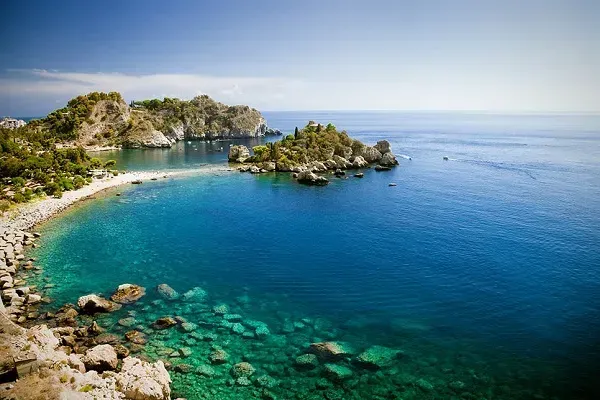
How to plan gay holidays to Italy with confidence
Italy is easy to fall in love with, but planning it well is what makes the experience genuinely enjoyable. This is where practical knowledge matters more than long online lists or social media inspiration. A well-structured itinerary allows you to relax into the destination rather than constantly thinking about what comes next.
One of the most common mistakes travellers make is trying to see too much in one trip. Italy may look compact on a map, but moving between regions takes time and energy. The country rewards focus rather than speed. Starting with the length of your holiday and choosing two bases, or three at most, creates breathing space and keeps travel days from taking over the experience.
It also helps to think about how different places make you feel. Large cities such as Rome or Milan are stimulating and busy, while coastal or rural areas encourage a slower pace. Combining one energetic destination with somewhere calmer keeps the trip balanced and avoids burnout. This approach works especially well for couples who want both culture and downtime without feeling rushed.
Accommodation plays a bigger role than many travellers realise, particularly for LGBT+ guests. Hotels shape how comfortable you feel day to day, from the moment you arrive to how relaxed you are in shared spaces. Location, staff attitude, and even room layout can influence whether a stay feels easy or awkward.
A gay-friendly hotel does not need overt branding or visible symbols. What matters more is professionalism, discretion, and experience with international LGBT+ travellers. These are the places where staff are respectful, privacy is understood, and nothing about your stay feels unusual or uncomfortable.
This is where tailored planning makes a real difference. Instead of relying on trial and error, you benefit from accommodation choices that are already known to work well for LGBT+ travellers. It also helps you avoid hotels that look appealing online but do not feel right once you arrive, ensuring your time in Italy feels smooth, relaxed, and well considered from start to finish.
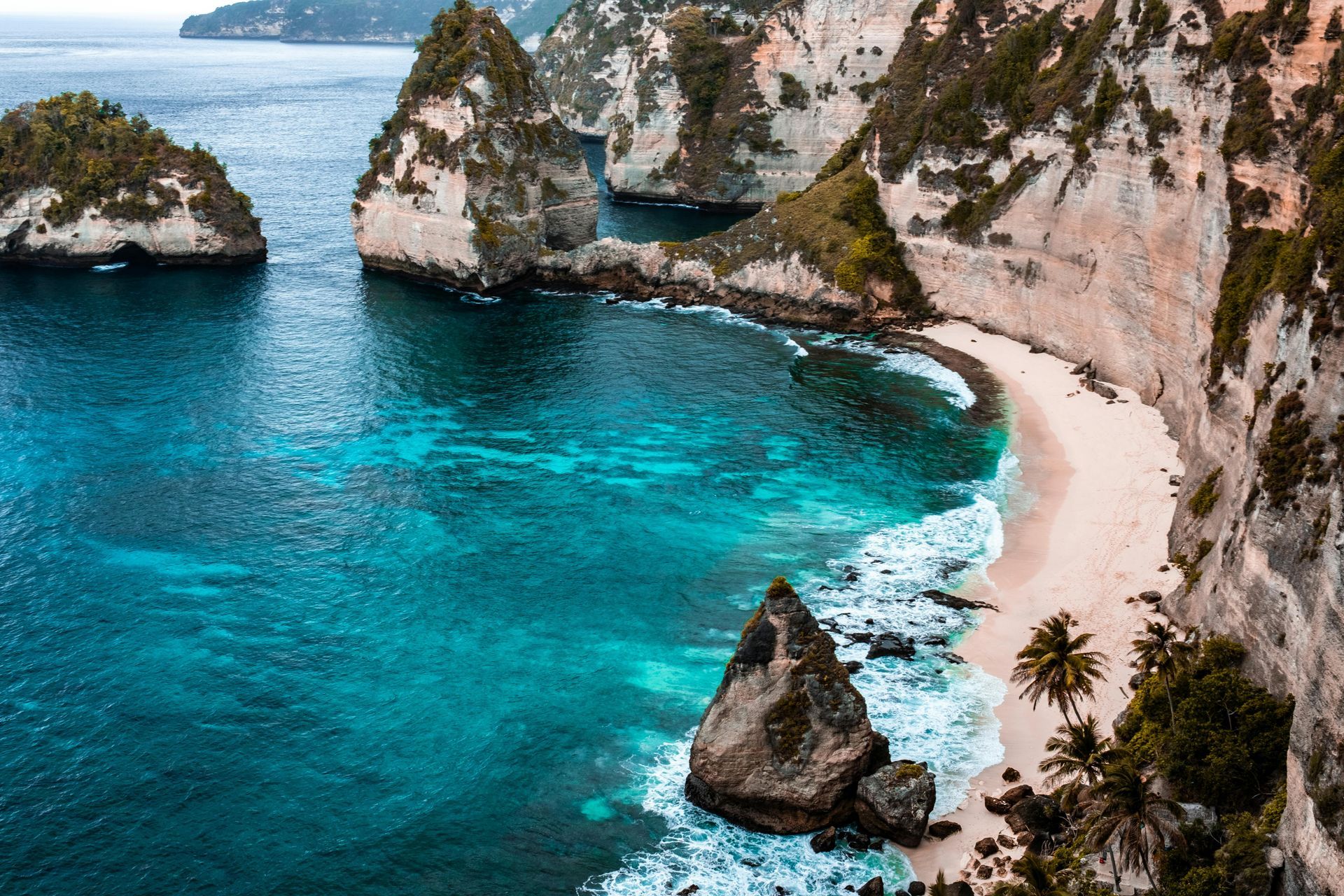
Getting around Italy without stress
Moving around Italy can be straightforward when transport choices are made with intention. The country has an excellent rail network linking its major cities, and trains are often the easiest and most comfortable way to travel between places such as Rome, Florence, Milan, and Naples. They remove the need to navigate traffic, parking, or unfamiliar road rules, and they allow you to arrive directly into city centres rather than outskirts.
Where trips become more complex is when travellers try to mix fast-paced city hopping with rural or coastal stays without planning transitions properly. In areas such as Tuscany, the Amalfi Coast, or parts of Sicily, distances may look short, but journeys can take longer than expected. Roads are slower, routes are winding, and public transport can be limited or irregular outside cities.
This is where pre-arranged transfers or car hire make a noticeable difference. Knowing exactly how you will get from one place to another removes uncertainty and keeps travel days from becoming tiring or frustrating. When journeys are smooth, the holiday maintains its rhythm, and energy stays focused on enjoying the destination rather than managing logistics. If this is your first time planning an LGBT+ trip, you may find reassurance in our advice on LGBT travel tips for an inclusive first gay holiday, which explains what to expect and how to travel with confidence.
Trying to organise transport at the last minute often creates unnecessary stress. Delays, sold-out trains, or unclear directions can quickly chip away at the sense of ease that makes a holiday feel special. Planning these details in advance keeps momentum positive and allows you to stay present rather than reactive.
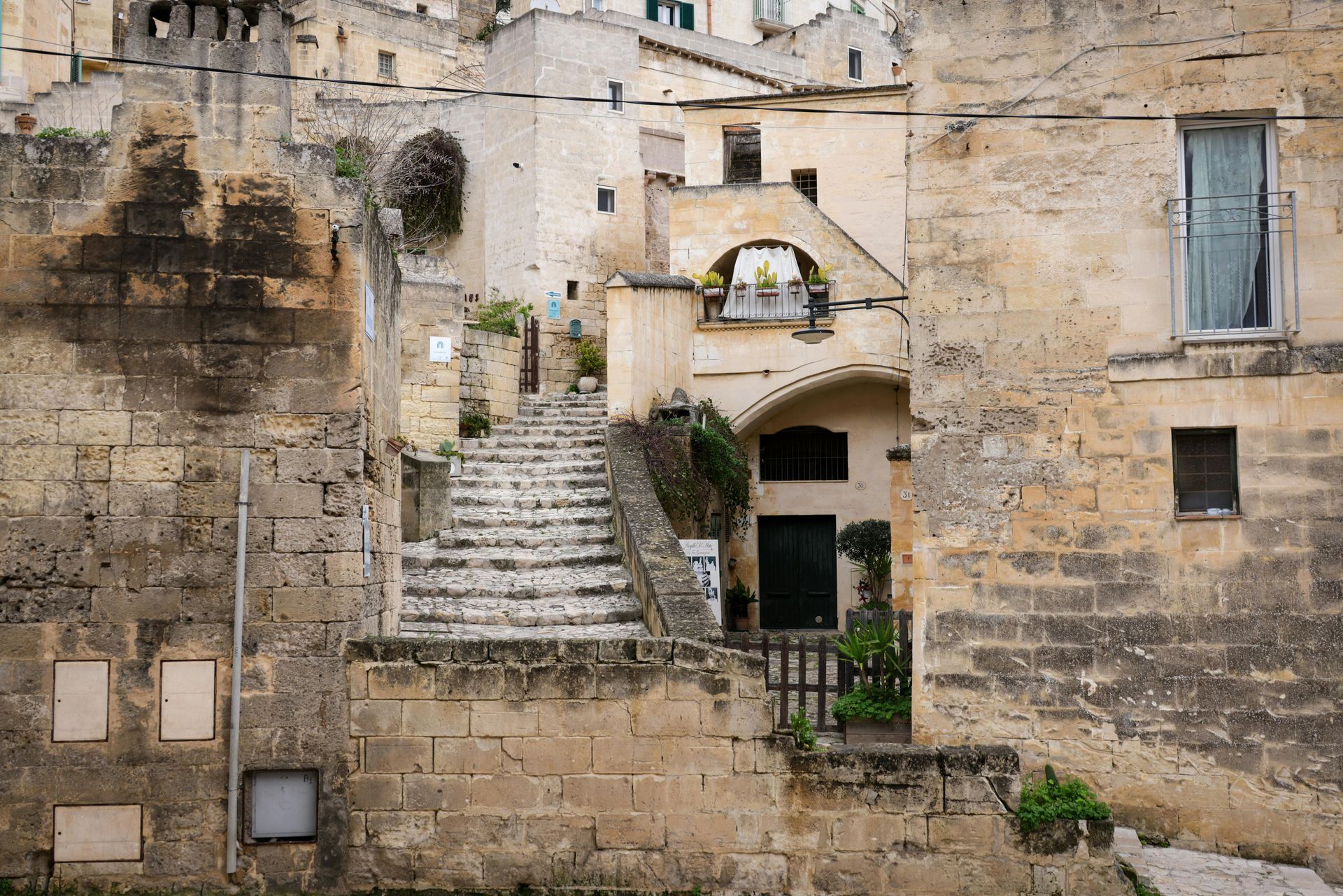

Jamie Says:
"Italy is one of those places where small choices change everything. Pick the right neighbourhood, and the whole trip feels smoother.”
Jamie Wake, Managing Director
Why booking protections matter for Italy travel
When travellers book flights, hotels, and transfers separately, they also take on the responsibility if something changes. Flight delays, cancellations, or schedule adjustments can ripple through an itinerary and require time, confidence, and local knowledge to resolve. While independent booking suits some travellers, it can become stressful when plans shift unexpectedly.
Booking gay holidays to Italy as a protected package removes much of that pressure. When your flights, accommodation, and transfers are connected, changes can be handled in one place rather than across multiple providers. This structure creates reassurance, particularly when travelling abroad, where language barriers or unfamiliar systems can complicate matters.
Having a single point of contact means you are supported if something does not go to plan. Instead of spending time on hold or navigating foreign customer service systems, you can focus on enjoying your time away. That peace of mind is often what allows travellers to fully relax once they arrive.
At its core, this approach is about preserving the feeling of a holiday. When the practical foundations are secure, you are free to engage with Italy itself — the food, the atmosphere, the scenery, and the moments that make the trip memorable. Thoughtful planning does not limit spontaneity; it creates the space for it.
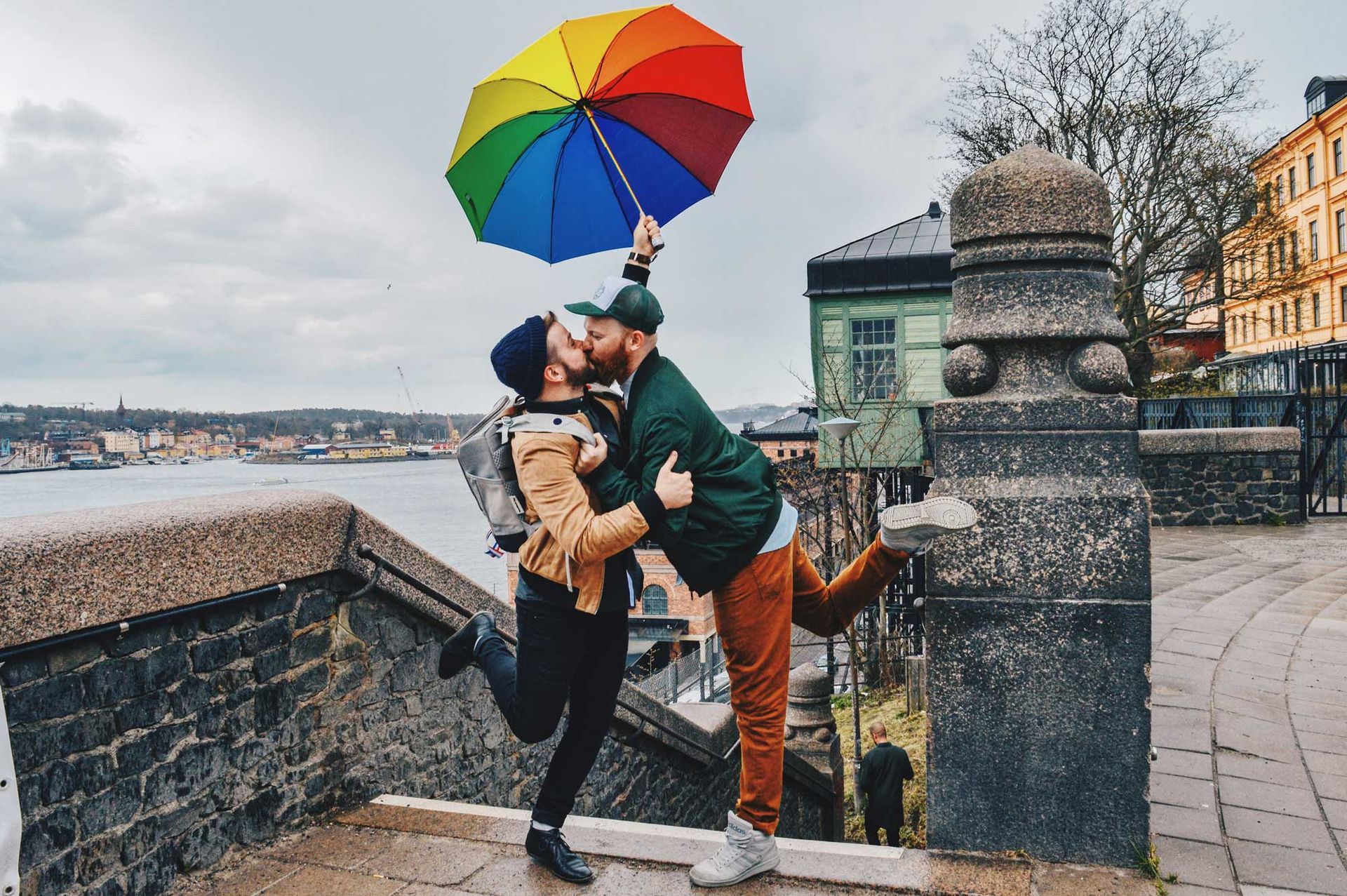
Bringing it all together
Italy offers a variety like few other destinations. You can move from buzzing cities to quiet coastlines, from historic streets to countryside views, all within a single trip. For LGBT+ travellers, the key to enjoying it fully is thoughtful planning rather than overpacking an itinerary.
When gay holidays to Italy are designed around comfort, pacing, and the right bases, the country opens up in a relaxed and rewarding way. You spend less time navigating logistics and more time enjoying food, scenery, and shared moments. That balance is what turns a good trip into a memorable one.
Wide Awake Holidays specialises in tailoring Italy trips that feel natural, protected, and personal. If you want help shaping your route, choosing the right hotels, or combining destinations smoothly, we’re here to make it easy.
📧
reservations@wideawakeholidays.co.uk
🌐
www.wideawakeholidays.co.uk
📞
01495 400947
Send an Enquiry:
We will get back to you as soon as possible.
Please try again later.
Frequently Asked Questions
Is Italy safe for gay travellers?
Italy is generally safe for LGBT+ travellers, especially in major cities and well-established tourist areas. Places such as Rome, Milan, Florence, and Taormina are used to international visitors and same-sex couples. While Italy can feel more traditional in smaller towns, most travellers experience warmth and hospitality rather than hostility.
Can same-sex couples show affection in public?
In large cities and tourist centres, same-sex couples often hold hands without issue. In rural or more conservative areas, many couples choose to be discreet. This is less about safety and more about cultural awareness, and most travellers find it easy to adapt without feeling restricted.
Which Italian cities are best for a first gay trip?
Rome and Milan are excellent starting points. They combine strong infrastructure, visible LGBT+ communities, and a wide choice of accommodation. Florence is also a good option for travellers who want culture in a more compact and relaxed setting.
Is the Amalfi Coast suitable for gay couples?
Yes, particularly for couples looking for romance, scenery, and calm. The Amalfi Coast is discreet rather than expressive, but hospitality is professional and welcoming. Choosing the right hotel makes a significant difference to overall comfort.
Does Italy have a visible gay nightlife scene?
Italy’s gay nightlife exists mainly in larger cities. Milan and Rome have the most established scenes, while Florence and Palermo offer smaller, more localised options. Coastal and rural destinations focus less on nightlife and more on dining and atmosphere.
Is Sicily gay friendly?
Sicily is welcoming but traditional. Taormina feels particularly comfortable for LGBT+ travellers, while larger cities such as Palermo offer energy and culture with a more local edge. Many gay travellers enjoy Sicily when expectations are set around discretion and respect.
What is the best time of year for gay holidays to Italy?
Late spring and early autumn are ideal. May, June, September, and early October offer warm weather without peak crowds. Summer is vibrant but busy, especially in coastal areas, while winter suits city breaks rather than beach-focused trips.
Do I need to speak Italian?
Italian is not essential in major tourist areas, as English is widely spoken in hotels, restaurants, and transport hubs. Learning a few basic phrases is appreciated and can enhance interactions, particularly in smaller towns.
Is it better to book independently or as a package?
That depends on confidence and complexity. For multi-stop trips or first-time visitors, booking gay holidays to Italy as a protected package reduces stress and keeps everything connected. It also provides support if plans change.
Can Italy work for special occasions like honeymoons or anniversaries?
Absolutely. Italy is one of Europe’s most popular destinations for romantic travel. With the right pacing, accommodation, and locations, it works beautifully for honeymoons, anniversaries, and milestone trips.
Some of our Latest Offers
Discover our latest hand-picked travel offers below – automatically updated and inspired by the destinations featured in this blog.