
A Day in the Life of an LGBT+ Traveller in Amsterdam
Your Complete Guide to Gay-Friendly Travel in Italy
1: Introduction and Morning in Amsterdam
A Day in the Life of an LGBT+ Traveller in Amsterdam
Gay Amsterdam Travel is not defined by spectacle alone. Instead, it begins with a sense of ease that becomes apparent almost immediately after arrival. Amsterdam does not announce its inclusivity loudly or dramatically. It simply lives it, quietly and consistently, as part of everyday life.
For LGBT+ travellers, this matters. It sets expectations early and removes tension before it has time to surface. Whether it is your first visit or a return trip, Amsterdam feels instinctively comfortable. The city offers freedom without friction, visibility without vulnerability, and expression without explanation.
This is a destination where being LGBT+ does not feel like a headline. It feels normal.
Amsterdam’s long history of social progress, combined with a strong sense of individuality, has created an environment where diversity blends naturally into daily routines. Same-sex couples walk hand in hand without drawing attention. Gender expression feels fluid and unremarkable. Conversations happen without code-switching or caution.
A day here unfolds naturally rather than theatrically. That is what makes it special.
This guide follows a single day in the city through the lens of an LGBT+ traveller, focusing on how it feels to move through Amsterdam rather than simply what to see. It is not about rushing between highlights. It is about experiencing the rhythm of a city that has quietly mastered inclusivity.
Morning in Amsterdam: Calm, Coffee, and Confidence
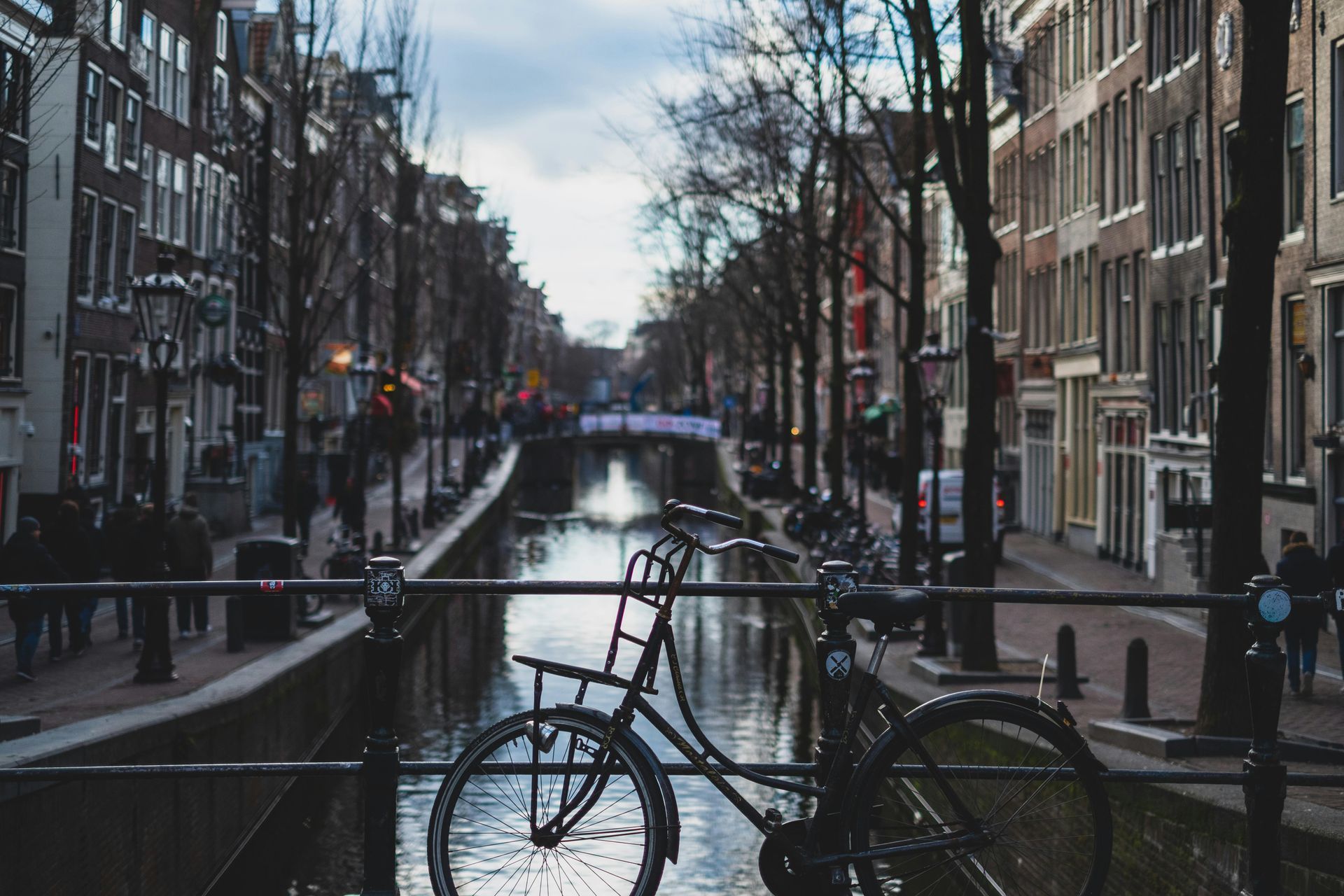
Morning in Amsterdam arrives gently. The city wakes slowly, even in its busiest areas, and there is a softness to the streets that feels reassuring. The canals are still. The air is fresh. Locals cycle past with an effortless confidence that defines daily life here.
Many LGBT+ travellers choose to stay centrally, often in neighbourhoods like Jordaan or the historic canal belt. These areas offer easy access to cafés, museums, and transport, but they also feel residential rather than tourist-heavy. That balance creates a sense of belonging rather than observation.
The first stop of the day is usually a café, and Amsterdam does this exceptionally well. Coffee culture here is relaxed and unpretentious. Tables spill onto pavements, regardless of season, and blankets are offered as standard rather than novelty.
Sitting down for coffee is not rushed. It is an invitation to pause.
From an LGBT+ perspective, this moment often provides the first clear signal that Amsterdam is a safe space. Same-sex couples sit openly. Friends greet each other warmly. No one watches, comments, or reacts. Visibility exists without performance, which is rare and deeply valued.
Gay Amsterdam Travel often shines brightest in these quiet moments. There is no need to calculate behaviour or adjust presentation. You can simply exist as yourself, which sets a positive tone for the rest of the day.
As the morning progresses, the city becomes more active. Cyclists increase, delivery vans appear, and shopfronts open gradually. The rhythm feels organised rather than chaotic, which makes exploring on foot both easy and enjoyable.
Amsterdam is compact and walkable, especially in the morning before peak crowds arrive. Wandering without a strict plan often leads to the most rewarding discoveries. Independent bookshops, bakeries, and design stores line the canals, many displaying Pride flags or inclusive signage year-round.
This visibility does not feel seasonal or performative. It feels embedded.
For LGBT+ travellers, that consistency builds trust. You are not being welcomed for a weekend or a festival. You are simply being acknowledged as part of the city’s everyday fabric.
Morning exploration might include a quiet walk along the canals or a short stroll through a nearby neighbourhood. These early hours offer space to observe how the city functions. Amsterdam feels self-assured, open-minded, and quietly progressive, without needing to explain itself.
That confidence is infectious.
As the day moves toward late morning, Amsterdam begins to reveal more layers. Cultural sites open their doors. Streets become livelier. Conversations shift from local routines to shared experiences. This transition feels seamless rather than abrupt.
By this point, most LGBT+ travellers have already noticed something important. They are relaxed. They are comfortable. They feel welcome without effort.
That emotional response is not accidental. It is the result of decades of social progress combined with a culture that values individuality and respect. It is also what makes Amsterdam one of Europe’s most reliable destinations for LGBT+ travellers seeking both freedom and comfort.
The morning sets the foundation for everything that follows. With confidence established and curiosity sparked, the rest of the day unfolds naturally into culture, community, and connection.
2: Late Morning to Afternoon – Culture, Queer History, and Neighbourhood Life
By late morning, Amsterdam feels fully awake. The pace remains unhurried, but the city carries more energy. This is the ideal time to explore culture and history, especially the parts that speak directly to LGBT+ travellers and the city’s long relationship with equality.
One of the most meaningful stops is the Homomonument, located near the Westerkerk. It is understated, open, and woven into public space rather than set apart from it. That design choice feels intentional. The monument is not hidden or fenced off. It exists as part of the city’s daily flow, just like the community it honours.
Standing here, visitors often notice how locals pass by naturally. Some stop briefly. Others sit, talk, or continue on their way. There is no sense of separation between remembrance and everyday life. For LGBT+ travellers, this moment can be quietly powerful. It acknowledges past struggles without freezing them in time.
This balance is central to Gay Amsterdam Travel. The city does not forget its history, but it does not allow it to limit the present.
From here, many travellers continue toward nearby cultural institutions. Amsterdam’s museums are world-class, but what stands out is how accessible they feel. You do not need to be an expert or historian to enjoy them. The atmosphere is open and welcoming rather than intimidating.
The Amsterdam Museum offers useful context for understanding how the city became what it is today. Its exhibits explore social change, trade, and personal freedom, all themes that resonate strongly with LGBT+ visitors. While not exclusively queer-focused, the museum helps explain why Amsterdam evolved into a place where diversity could thrive.
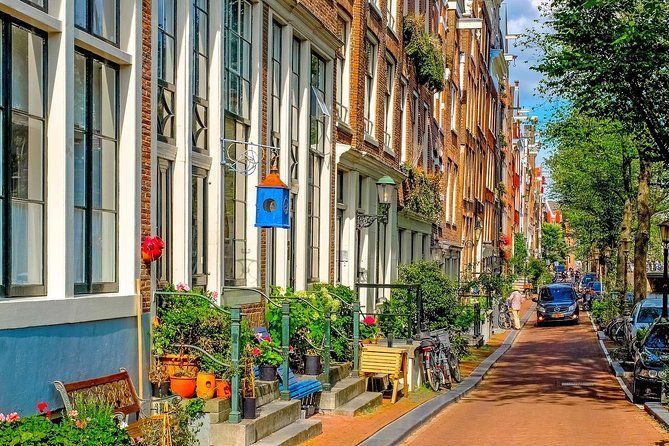
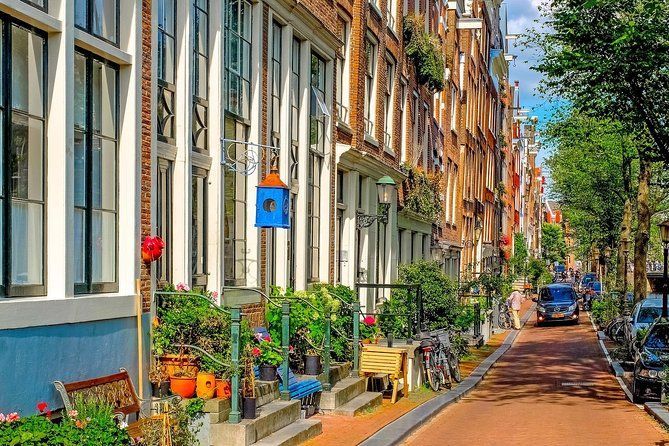
Another option, depending on personal preference, is simply to walk. The Jordaan neighbourhood is particularly rewarding in the afternoon. Its narrow streets feel residential, creative, and calm. Independent galleries, vintage shops, and small lunch spots appear almost by accident, making exploration feel organic rather than planned.
Lunch here is rarely rushed. Cafés and small restaurants prioritise quality and atmosphere over speed. Menus are usually relaxed and varied, catering to different dietary needs without fuss. For LGBT+ travellers, this is another moment where comfort stands out. Staff interactions feel friendly and neutral. There is no shift in tone when couples sit together or when groups express themselves openly.
These details matter more than they might seem. They allow visitors to stay present rather than guarded.
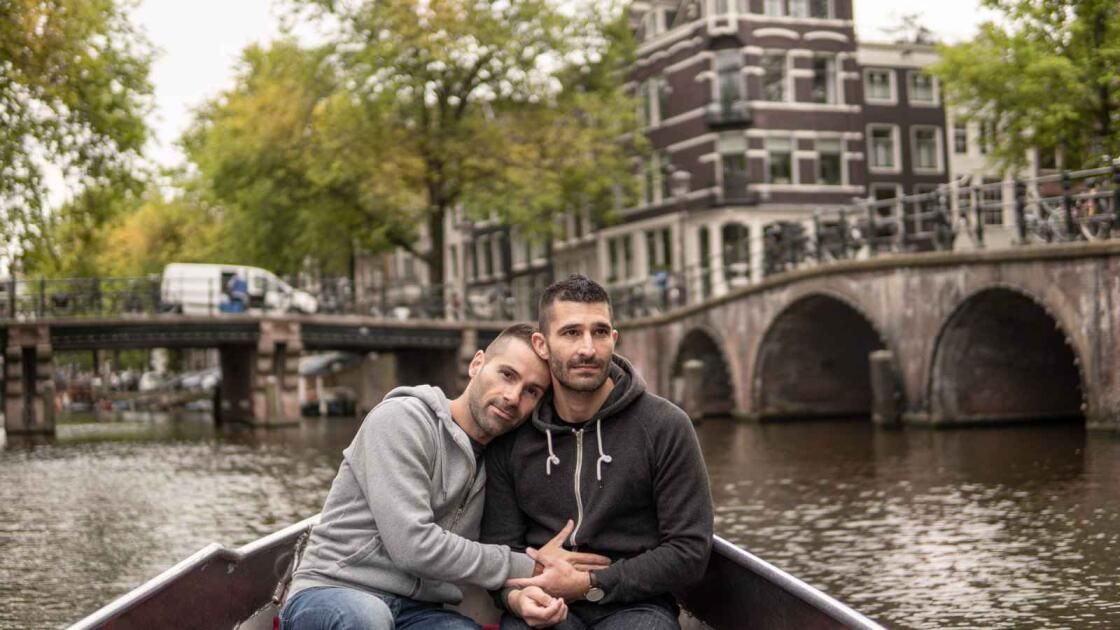
As the afternoon unfolds, some travellers choose to experience Amsterdam from the water. A canal cruise offers a different perspective on the city and provides a natural pause in the day. Floating past historic houses and tree-lined streets reinforces how closely daily life and tourism intersect here.
Others prefer to continue exploring on foot, stopping for coffee or a drink as the city transitions toward evening. Amsterdam encourages these pauses. Benches, terraces, and quiet squares are easy to find, even in central areas.
Throughout the afternoon, the feeling remains consistent. Amsterdam does not ask LGBT+ visitors to seek out safe spaces deliberately. Safety and acceptance feel built in rather than designated.
Gay Amsterdam Travel in this part of the day is less about headline attractions and more about emotional reassurance. You are not navigating around the city’s tolerance. You are simply moving through it.
As late afternoon approaches, the tone subtly shifts again. Energy builds. Conversations grow louder. Streets become busier. The city prepares for evening, and with it, a more social side of Amsterdam begins to emerge.
This transition feels natural rather than dramatic, setting the stage for nightlife, connection, and celebration without losing the sense of comfort established earlier in the day.
3: Evening and Nightlife – Social Spaces and Feeling Free
As evening settles over the city, Amsterdam changes pace without losing its balance. The streets grow busier, lights reflect off the canals, and conversations spill out from cafés and bars. For LGBT+ travellers, this is often when the city’s reputation comes into sharper focus, but the transition still feels unforced. Amsterdam often features in broader discussions of inclusive urban travel, particularly within guides focused on gay city breaks around the world.
That flexibility is liberating.
For many LGBT+ travellers, nightlife elsewhere can come with an edge of vigilance. In Amsterdam, that tension is noticeably reduced. Public affection remains commonplace. Expression feels safe. The city’s confidence extends into the night without fading.
As the evening deepens, the city lights create a softer, more intimate feel. Streets that were busy earlier now feel reflective and calm. Even popular areas manage to retain a sense of order and respect that keeps the atmosphere welcoming.
This balance between celebration and safety is one of Amsterdam’s greatest strengths. It allows LGBT+ travellers to enjoy nightlife without feeling consumed by it. You can engage fully, knowing the city supports you rather than tests you.
By late evening, many visitors return to their accommodation feeling energised rather than exhausted. The day has offered culture, community, and connection without overwhelm. That emotional consistency is rare and deeply appreciated. Travellers who want a deeper look at nightlife, venues, and community spaces may also enjoy reading Exploring the vibrant gay scene in Amsterdam before planning their evenings.
As night gives way to quiet streets and softly lit canals, Amsterdam feels settled rather than spent. It leaves room for reflection and anticipation, not recovery.
4: Reflection, Practical Insight, and Why Amsterdam Works So Well for LGBT+ Travellers
That consistency is especially reassuring for first-time LGBT+ travellers or those returning to travel after difficult experiences elsewhere. Amsterdam removes barriers quietly. It allows visitors to focus on enjoyment, curiosity, and connection rather than self-monitoring.
Practical considerations also support this ease. The city is compact and well-connected, which reduces stress and uncertainty. Public transport is straightforward. Walking feels safe, even after dark. Clear signage and a generally helpful attitude make navigation simple, even for short stays.
Accommodation options are varied, with many hotels and apartments accustomed to welcoming LGBT+ guests without assumptions or awkwardness. Requests are handled professionally. Preferences are respected. The experience feels neutral in the best possible way.
From a cultural perspective, Amsterdam’s openness has depth rather than novelty. Its progressive values are rooted in history, activism, and social dialogue, not trend-led branding. That gives the city credibility, which experienced LGBT+ travellers tend to recognise quickly.
Gay Amsterdam Travel also benefits from the city’s international outlook. Visitors from across Europe and beyond mix easily with locals, creating a scene that feels diverse without being fragmented. Conversations flow naturally. Differences are visible but not divisive.
By the end of the day, Amsterdam leaves an impression that goes beyond specific attractions. It offers reassurance. It shows what it feels like to be somewhere that does not ask LGBT+ people to explain themselves. For couples who value emotional ease and connection while travelling, many of the same principles explored here also apply to romantic gay breaks across Europe.
That feeling often stays with travellers long after they leave. It becomes the reason they return, recommend the city to friends, or seek out destinations with similar values.
Amsterdam does not try to impress LGBT+ travellers. It simply includes them. That quiet confidence is its greatest strength.
How Gay Friendly Is Amsterdam?
Amsterdam consistently ranks as one of Europe’s most welcoming cities for LGBT+ travellers, but what matters most is how that friendliness shows up in daily life. The city does not rely on designated “safe zones” or seasonal Pride visibility to demonstrate inclusion. Instead, acceptance is embedded into social behaviour, public policy, and cultural norms.
For LGBT+ visitors, this translates into comfort rather than caution. Same-sex couples are visible across the city, not just in nightlife areas. Gender expression is diverse and largely unremarked upon. Public spaces feel shared rather than segmented, which removes the feeling of being an exception.
Amsterdam’s legal and social framework supports this openness, but the lived experience is what stands out. Interactions with staff in cafés, hotels, museums, and bars feel neutral and professional. There is no shift in tone or service based on who you are with or how you present yourself.
That reliability is important. It allows LGBT+ travellers to relax quickly and stay relaxed throughout their visit. You are not constantly reassessing your environment. You are simply enjoying it.
From daytime culture to late-night socialising, the city maintains the same baseline of respect. That consistency is what elevates Gay Amsterdam Travel from “safe enough” to genuinely welcoming. For global context on LGBT+ inclusion and legal protections, ILGA World’s country equality data provides an authoritative overview.

Jamie Says:
"Amsterdam is one of those places where LGBT+ travellers don’t have to plan around their identity. You can just plan a great trip and trust the destination to meet you with respect. That confidence makes all the difference, especially for clients who want freedom without feeling exposed.”
Jamie Wake, Managing Director
Booking With Confidence as an LGBT+ Traveller
Planning a holiday should feel exciting, not uncertain. For LGBT+ travellers, confidence in where you are going and how you are booked matters just as much as the destination itself.
When travel is arranged properly, every element works together. Accommodation is chosen for comfort and inclusivity, locations are selected for ease and safety, and itineraries are shaped around how you actually want to experience a place. That level of care removes unnecessary risk and second-guessing.
Trips booked through a specialist LGBT+ travel provider offer added reassurance. Your holiday is financially protected, your arrangements are secure, and your experience is designed with real understanding rather than assumptions. If plans change or issues arise, there is a clear structure in place to support you.
That protection is not just practical. It is emotional. Knowing your trip is backed by expertise allows you to focus on the experience itself, whether that is a relaxed city break, a cultural escape, or a celebratory trip with friends or a partner. Amsterdam’s relaxed confidence mirrors what many travellers seek when booking thoughtfully planned gay holidays from Wide Awake Holidays.
Amsterdam rewards travellers who arrive feeling confident and open. Booking with the right support helps ensure that confidence starts long before you land.
Start Planning Your Amsterdam Escape
Amsterdam shows how travel can feel when inclusion is woven into everyday life rather than added as an afterthought. It offers freedom without friction and visibility without vulnerability, making it one of Europe’s most rewarding destinations for LGBT+ travellers.
If you are thinking about experiencing Amsterdam in a way that feels relaxed, secure, and tailored to you, expert guidance makes all the difference.
📧
reservations@wideawakeholidays.co.uk
🌐
www.wideawakeholidays.co.uk
📞
01495 400947
Send an Enquiry:
We will get back to you as soon as possible.
Please try again later.
Frequently Asked Questions
1. Is Amsterdam safe for LGBT+ travellers?
Yes. Amsterdam is widely regarded as one of Europe’s safest and most welcoming cities for LGBT+ visitors, both during the day and at night.
2. Can same-sex couples show affection in public?
Public affection between same-sex couples is common and generally unremarked upon throughout the city.
3. Is Amsterdam suitable for first-time LGBT+ travellers?
Very much so. The city’s openness, compact layout, and relaxed culture make it an excellent first destination.
4. Are there specific gay areas in Amsterdam?
While areas like Reguliersdwarsstraat are well known, LGBT+ acceptance extends across the entire city rather than being confined to one district.
5. What is the best time of year for Gay Amsterdam Travel?
Amsterdam is welcoming year-round. Spring and early autumn offer pleasant weather without peak crowds, while summer brings a lively atmosphere.
6. Is nightlife the main focus for LGBT+ travellers in Amsterdam?
No. While nightlife is strong, culture, history, food, and everyday life are equally rewarding for LGBT+ visitors.
7. Are hotels in Amsterdam LGBT+ friendly?
Most hotels in Amsterdam are accustomed to welcoming LGBT+ guests and do so without issue or awkwardness.
8. Is Amsterdam good for LGBT+ couples?
Yes. The city is particularly popular with couples due to its relaxed atmosphere, walkability, and romantic canal settings.
9. Do I need to plan around my identity in Amsterdam?
Generally, no. Amsterdam allows LGBT+ travellers to move freely without adjusting behaviour or expectations.
10. Why choose a specialist for Gay Amsterdam Travel?
A specialist understands which locations, hotels, and experiences genuinely support LGBT+ travellers and can arrange trips with confidence and protection built in.
Some of our Latest Offers
Discover our latest hand-picked travel offers below – automatically updated and inspired by the destinations featured in this blog.