


How to Travel Safely as an LGBT+ Person in Conservative Countries
LGBT Travel Safety is one of the most important considerations for LGBT+ travellers who want to explore destinations where social attitudes or laws may be more conservative than those at home. While many countries offer extraordinary culture, history, landscapes, and hospitality, they may also require a more thoughtful approach to personal safety and visibility.
Travelling as an LGBT+ person does not mean avoiding conservative countries altogether. Instead, it means understanding how local customs, laws, and expectations work together, then planning your trip in a way that protects your well-being while still allowing you to enjoy meaningful experiences. With the right preparation, many LGBT+ travellers visit conservative destinations safely every year.
This guide focuses on practical LGBT Travel Safety advice rather than fear-based warnings. It is designed to help you make informed decisions, manage risk sensibly, and travel with confidence rather than anxiety.

2: What Does “Conservative” Mean for LGBT Travel Safety?
The word “conservative” can cover a wide range of realities. Some countries have strict laws relating to same-sex relationships but rarely enforce them against visitors. Others may have no explicit legal restrictions yet maintain strong social or religious expectations around behaviour, dress, and public conduct.
From an LGBT Travel Safety perspective, three factors matter most:
- Legal framework – what the law says on paper
- Enforcement – how often and against whom laws are applied
- Social norms – what is considered acceptable behaviour in public
These factors rarely align perfectly. A destination might appear risky on paper but feel relatively relaxed in tourist areas, while another may have softer laws but stricter social expectations.
Understanding this difference helps travellers avoid common mistakes. Most safety issues faced by LGBT+ visitors are linked to visibility rather than identity. Public displays of affection, assumptions made at hotels, or openly discussing personal relationships can sometimes attract attention in environments where discretion is the norm.
Adapting behaviour does not mean denying who you are. It means choosing how and where to express yourself in a way that respects local context and reduces unnecessary risk. For a deeper look at how laws, social attitudes, and cultural expectations affect LGBT+ travellers, our guide on
Is it safe to travel to certain countries as an LGBT+ person? expands on how to assess risk realistically before you book.

3: Planning Ahead – The Foundation of LGBT Travel Safety
Strong LGBT Travel Safety starts long before you board a plane. Careful planning reduces stress and allows you to focus on enjoying your trip rather than worrying about what might go wrong. For official guidance on legal considerations and destination-specific risks, the UK Government’s LGBT foreign travel advice provides a useful baseline alongside specialist travel support.
Research Laws and Local Attitudes
Understanding local laws is essential, but it should be balanced with real-world insight. Official advice from the UK Government provides a useful baseline, particularly around legal risks and emergency contacts. However, laws alone do not tell the full story.
Look beyond legal texts and consider how destinations actually function for visitors. Tourist zones, international hotels, and popular cultural sites often operate very differently from rural or residential areas. Knowing where discretion matters most helps you plan days and activities more confidently.
Accommodation Choices Matter
Where you stay has a significant impact on LGBT Travel Safety. International hotel brands and properties experienced with overseas guests are often more comfortable hosting LGBT+ travellers, even in conservative destinations. Staff at these hotels are usually trained to avoid intrusive questions and handle room arrangements professionally.
It is often best to book accommodation without highlighting your relationship status unless advised otherwise by a specialist. Requesting a double or twin room neutrally avoids awkward conversations at check-in and allows staff to handle the booking smoothly.
Documentation and Medical Preparation
For trans and non-binary travellers especially, documentation requires careful attention. Ensure passports, visas, and travel documents are consistent, and plan ahead if names or gender markers differ across paperwork.
Carry copies of important documents and prescriptions, using generic medication names where possible. These steps form part of a sensible LGBT Travel Safety plan and can prevent unnecessary complications at borders or pharmacies.
Digital Safety Before Departure
Digital awareness is increasingly important for LGBT+ travellers visiting conservative countries. Reviewing your online presence before travel is a simple but effective precaution. Choosing accommodation wisely plays a major role in LGBT Travel Safety, which is why understanding why gay-friendly hotels are the way to go can make such a difference in more conservative destinations.
Adjust privacy settings on social media, avoid real-time location tagging, and consider removing dating apps if they are known to attract unwanted attention in your destination. These changes are temporary but can significantly reduce risk.

4: Navigating Daily Life Safely as an LGBT+ Traveller
Once you arrive, LGBT Travel Safety becomes less about preparation and more about awareness. Most travellers find that day-to-day life in conservative countries feels calmer than expected, provided they understand local rhythms and social cues.
Public behaviour matters more than private identity. In many conservative destinations, discretion is expected of all couples, not only same-sex couples. Holding hands, kissing, or overt displays of affection can attract attention regardless of sexuality, especially outside tourist areas. Keeping affection private is a simple way to reduce risk without affecting the quality of your trip.
Clothing choices also play a role. Dressing modestly in public spaces such as markets, transport hubs, and religious sites helps travellers blend in and avoid scrutiny. This does not require abandoning personal style, but adapting it slightly to local norms shows cultural awareness and often leads to warmer interactions with locals.
Conversations with strangers should remain neutral and polite. You are never obligated to discuss your relationship, gender identity, or personal life. Many LGBT Travel Safety issues arise when travellers feel pressured to explain themselves. Sticking to safe topics like food, history, and travel experiences keeps interactions comfortable and respectful.
Hotels, Tours, and Social Situations
Hotels are usually safe environments, especially those accustomed to international guests. If staff appear unsure or ask questions that feel intrusive, responding calmly and briefly is often enough to move the interaction along. Most situations resolve quickly without escalation.
When booking tours or excursions, choose licensed operators and established guides. Avoid informal arrangements that rely heavily on personal disclosure or private settings. Reputable providers understand boundaries and focus on delivering experiences rather than personal details.
Trust your instincts. If a situation feels uncomfortable, remove yourself politely and seek a more familiar environment such as your hotel or a busy public area.

5: LGBT Travel Safety in Conservative Regions
Not all conservative regions present the same risks, and grouping countries together can be misleading. Understanding regional patterns helps set realistic expectations.
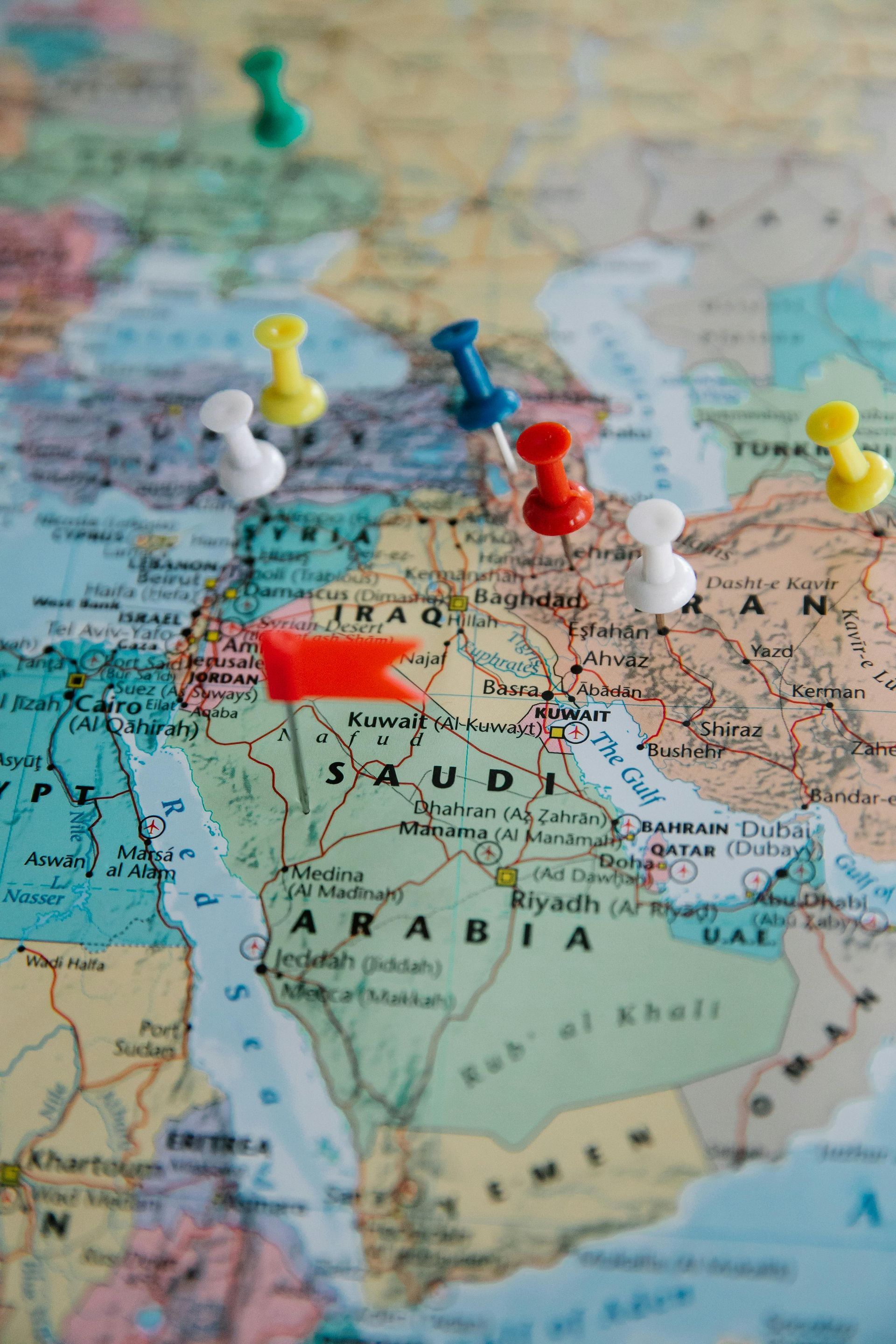
Middle East
Many Middle Eastern countries have strict laws on same-sex relationships, yet tourist infrastructure is often well developed. International hotels, airports, and organised tours generally operate professionally and discreetly. LGBT Travel Safety in this region relies heavily on privacy, modest behaviour, and careful use of social media. Issues are rare when travellers avoid public displays of affection and keep personal matters private.
North and East Africa
In parts of Africa, laws may be less clearly enforced, but social attitudes can be strongly conservative. Tourist areas often feel welcoming, while rural or residential zones may require greater caution. Travellers who stick to established routes, licensed guides, and recognised accommodation usually report smooth experiences.
South and Southeast Asia
This region is diverse, with attitudes ranging from quietly tolerant to openly conservative. Major cities and resort areas often feel relaxed, while traditional communities may expect discretion. LGBT Travel Safety here is closely linked to understanding where openness is accepted and where it is best avoided.
Across all regions, most difficulties arise from misunderstandings rather than hostility. Cultural awareness is one of the most effective safety tools available.
6: Confidence, Discretion, and Travelling Well
A common misconception is that LGBT Travel Safety requires constant fear or self-censorship. In reality, most travellers find that confidence paired with discretion creates the smoothest experiences.
Confidence does not mean being confrontational. It means being calm, observant, and prepared. Discretion does not mean shame. It means choosing when and where to share personal aspects of your life.
Travelling with a specialist who understands LGBT+ needs adds an extra layer of reassurance. Knowing that someone is available if plans change or questions arise allows travellers to relax and enjoy their journey.


Jamie Says:
"The safest trips are the ones where travellers feel informed, supported, and realistic. When people understand the destination and have backup in place, they travel confidently, even in conservative countries.”
Jamie Wake, Managing Director
7: Booking with Confidence and Built-In Protection
One of the most overlooked aspects of LGBT Travel Safety is what happens if plans change or something unexpected occurs. Independent travel can work well in familiar destinations, but conservative countries often require a stronger support structure.
Booking through an LGBT-experienced travel specialist gives you access to vetted hotels, trusted local partners, and discreet handling of personal details. These elements matter more than many travellers realise. If an issue arises at a hotel, during an excursion, or at a border crossing, having someone who understands both the destination and LGBT+ concerns can prevent small problems from escalating. If you want more step-by-step advice, our guide to practical LGBT Travel Safety tips covers everyday precautions that complement travel in conservative countries.
Support is not only about emergencies. It is also about reassurance. Knowing that your accommodation choices, transfers, and experiences have been reviewed through an LGBT Travel Safety lens allows you to relax and focus on enjoying your trip rather than managing risk alone.
Travel should feel exciting, not stressful. The right planning makes that possible.
When to Reconsider a Destination
It is also important to say this clearly: not every destination is right for every traveller, at every stage of life. LGBT Travel Safety includes recognising personal limits and priorities.
You may want to reconsider or postpone a trip if:
- You are uncomfortable adapting behaviour in public spaces
- Your mental wellbeing would be affected by sustained discretion
- Legal or medical risks feel overwhelming
- You would be travelling alone without local support
Choosing not to travel somewhere right now is not a failure. It is a sensible decision based on self-awareness. Many destinations evolve over time, and what feels challenging today may feel manageable in the future.
Safe travel is about alignment between destination realities and personal comfort levels.

Travelling Well, Travelling Safely
LGBT Travel Safety is not about limiting your world. It is about opening it with clarity and confidence. Conservative countries can offer unforgettable experiences when travellers understand local expectations and plan accordingly.
With the right preparation, realistic expectations, and trusted support, LGBT+ travellers can explore the world safely and meaningfully.
If you want guidance tailored to your comfort level, travel style, and destination goals, speak to people who understand both travel logistics and LGBT realities.
📧
reservations@wideawakeholidays.co.uk
🌐
www.wideawakeholidays.co.uk
📞
01495 400947
Send an Enquiry:
We will get back to you as soon as possible.
Please try again later.
Frequently Asked Questions
1. Is LGBT Travel Safety only about countries where homosexuality is illegal?
No. Safety also depends on social attitudes, enforcement, and visibility. Some countries with strict laws feel calm in practice, while others with softer laws may still require discretion.
2. Can same-sex couples share hotel rooms in conservative countries?
In many destinations, yes, particularly in international hotels. Booking neutrally and avoiding assumptions usually leads to smooth check-ins.
3. Should LGBT travellers hide their identity while abroad?
You do not need to hide who you are, but adapting behaviour in public spaces is often part of sensible LGBT Travel Safety planning.
4. Are LGBT travellers targeted by authorities?
Incidents involving tourists are rare. Most issues arise from public behaviour or online activity rather than identity alone.
5. Is it safe to use dating apps while travelling?
In some conservative countries, dating apps can increase risk. Research your destination and consider removing apps temporarily.
6. What about trans and non-binary travellers?
Documentation consistency, accommodation planning, and specialist advice are especially important. Preparation reduces complications.
7. Can I be open about my relationship with tour guides?
It is best to keep conversations professional unless you are certain the environment is safe and supportive.
8. Are conservative countries always unsafe for LGBT travellers?
No. Many LGBT+ travellers visit conservative destinations safely every year with the right preparation.
9. Does travelling with a partner reduce risk?
Not necessarily. Behaviour and visibility matter more than relationship status when it comes to LGBT Travel Safety.
10. Is working with an LGBT travel specialist worth it?
For conservative destinations, yes. Expertise, discretion, and support add real value and peace of mind.
Some of our Latest Offers
Discover our latest hand-picked travel offers below – automatically updated and inspired by the destinations featured in this blog.