
Gay-Friendly Yoga Retreats for LGBT+ Travellers
LGBT+ Wellness Retreats: Best Destinations to Relax and Recharge
Gay-Friendly Yoga Retreats for LGBT+ Travellers: A More Meaningful Way to Reconnect
LGBT Wellness Retreats are becoming one of the most meaningful ways for LGBT+ travellers to step away from daily pressures and reconnect with both body and identity in safe, affirming environments. For many LGBT+ people, wellness travel is not simply about relaxation or physical fitness, but about feeling genuinely welcome, emotionally secure, and free to exist without explanation. Yoga retreats that actively embrace LGBT+ travellers offer something deeper than standard wellness breaks, combining movement, mindfulness, and community in destinations where inclusion is clearly felt rather than quietly assumed.
Across Europe, gay-friendly yoga retreats are evolving rapidly, with thoughtfully curated experiences that bring together yoga, meditation, nature, and cultural immersion. These retreats increasingly recognise that LGBT+ travellers may arrive carrying stress shaped by visibility, minority pressure, or past exclusion, and they design their programmes to support both physical restoration and emotional ease. When done well, European LGBT wellness retreats provide a powerful sense of belonging that allows guests to fully relax and engage without self-editing or emotional guard-keeping.
Choosing the right retreat matters. Not all yoga holidays marketed as “inclusive” truly understand the lived experience of LGBT+ travellers, which is why specialist planning and careful destination selection remain essential. Europe offers an excellent starting point, thanks to its strong legal protections, established LGBT+ communities, and a growing number of retreat centres that place inclusivity at the centre of their philosophy rather than treating it as an optional extra.
For a broader overview of inclusive wellbeing travel, our guide to
LGBT+ Wellness: Finding the Best Retreats for Relaxation explores how mindful travel supports both body and identity.
What Makes a Yoga Retreat Truly LGBT+ Friendly?
A genuinely LGBT-inclusive yoga retreat goes far beyond rainbow marketing or vague statements about diversity. The most respected LGBT wellness retreats across Europe are led by facilitators who actively foster inclusive spaces, use affirming language, and create group dynamics where guests feel seen rather than singled out. This is especially important in wellness settings, where vulnerability, emotional openness, and physical awareness play central roles in the experience. To understand the wider shift toward slow, restorative travel, The Rise of LGBT Wellness Retreats: Where to Find Them offers helpful context on how this movement is reshaping LGBT travel.
Accommodation design, group composition, and retreat structure all contribute to how safe a space feels. Many LGBT+ travellers prefer retreats that are explicitly marketed to queer guests or clearly state their experience hosting LGBT groups, as this removes uncertainty and allows participants to arrive with confidence rather than caution. Privacy, respectful boundaries, and freedom of expression also matter greatly, particularly for travellers who may not feel comfortable holding hands, sharing stories, or simply being themselves in all environments.
Europe’s best gay-friendly yoga retreats combine these inclusive foundations with beautiful natural surroundings, high-quality teaching, and nourishing food, creating experiences that feel both grounding and uplifting. Countries with strong LGBT protections and visible queer cultures often provide the most relaxed atmosphere, especially for first-time retreat travellers. Travellers who want a deeper dive into practice-led experiences may also find value in
The Ultimate Guide to LGBT Yoga Retreats, which explores retreat styles, destinations, and what to expect.
1. Southern Spain (Andalusia)
Why Southern Spain Works So Well for LGBT Wellness Retreats
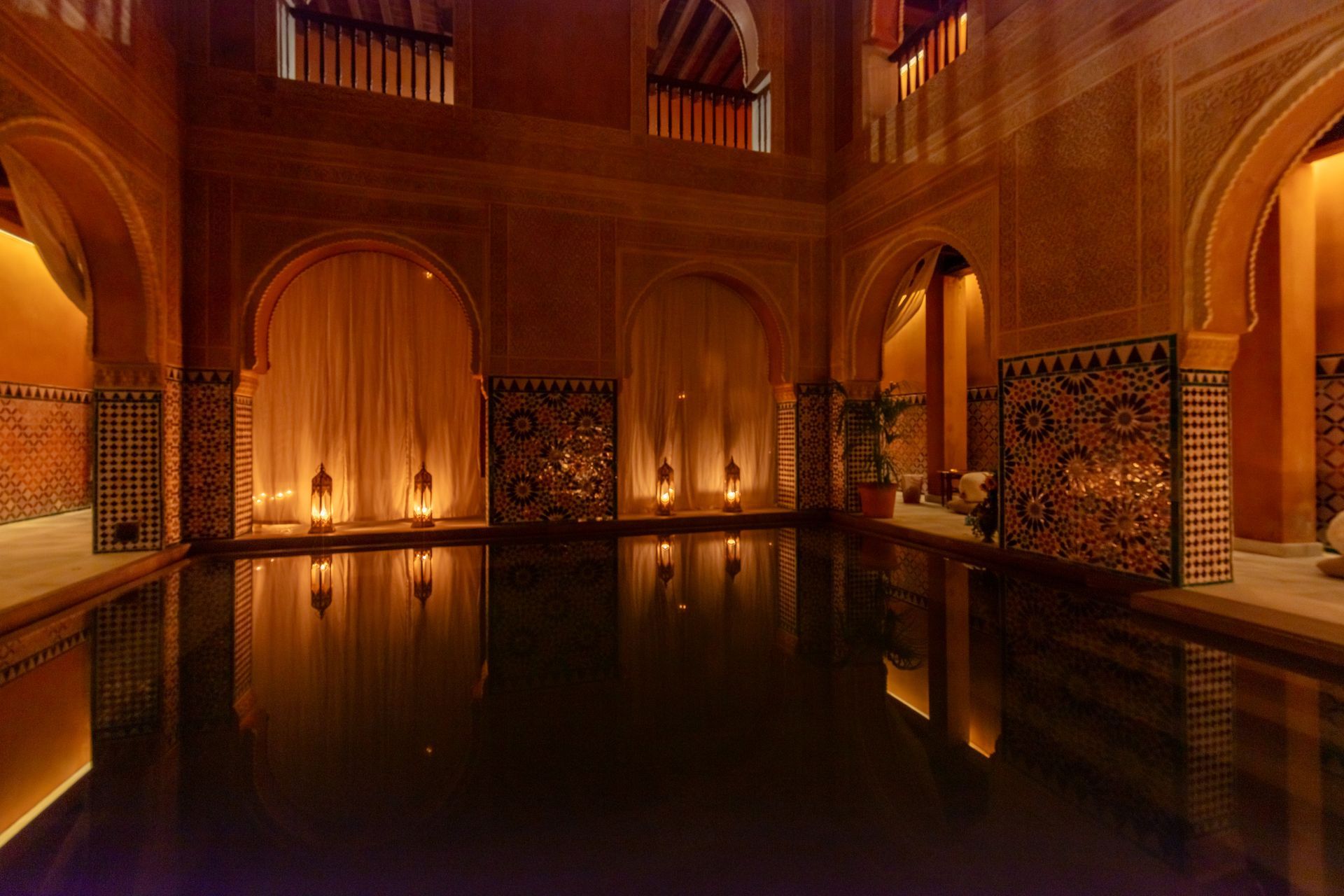
Southern Spain has quietly become one of Europe’s most appealing destinations for LGBT wellness retreats, particularly for yoga-focused holidays that prioritise warmth, openness, and emotional ease. The region of Andalusia combines year-round sunshine with a relaxed pace of life, making it ideal for travellers seeking both physical rejuvenation and mental clarity. Spain’s long-standing commitment to LGBT equality also plays a major role, creating a social environment where queer travellers rarely feel out of place.
Rural Andalusia is especially popular for yoga retreats, offering whitewashed villages, olive groves, and mountain landscapes that encourage deep rest and mindful movement. Retreat centres here often focus on smaller group sizes, allowing facilitators to build trust and community among participants, which many LGBT travellers value highly. The slower rhythm of life supports longer yoga sessions, reflective practices, and unstructured downtime, all of which enhance the overall wellness experience.
Many LGBT-friendly yoga retreats in southern Spain also integrate local culture into their programmes, from Mediterranean-inspired cuisine to guided walks and cultural excursions. This creates a sense of connection to place, helping guests feel grounded and present rather than detached from their surroundings.
How Gay Friendly Is Southern Spain?
Southern Spain is widely regarded as very gay-friendly, supported by Spain’s progressive equality laws and strong social acceptance of LGBT+ people. Cities such as Seville and Málaga have visible LGBT communities, while rural retreat areas benefit from a culture that values privacy, hospitality, and respect. For many LGBT travellers, this combination allows them to feel comfortable both within retreat settings and when exploring the surrounding region.
The region’s welcoming attitude is particularly reassuring for those new to LGBT wellness retreats, as it reduces anxiety around visibility and personal safety. This sense of ease allows guests to focus fully on yoga practice, emotional wellbeing, and connection with others, rather than navigating social tension or uncertainty.
If you’re considering southern Spain specifically, our article on
LGBT Wellness Retreats: A Relaxing Getaway for Your Mind and Body expands on why Andalusia continues to attract wellness-focused LGBT travellers.
2. Portugal’s Algarve and Alentejo Regions
Why Portugal Appeals to LGBT Wellness Travellers
Portugal has steadily become one of Europe’s most trusted destinations for LGBT wellness retreats, thanks to its calm atmosphere, progressive values, and deep connection to nature. For LGBT+ travellers seeking yoga retreats that feel restorative rather than performative, Portugal offers an ideal balance of safety, authenticity, and understated beauty. The country’s wellness scene is less commercialised than in some neighbouring destinations, which often results in more personal, emotionally supportive retreat experiences.
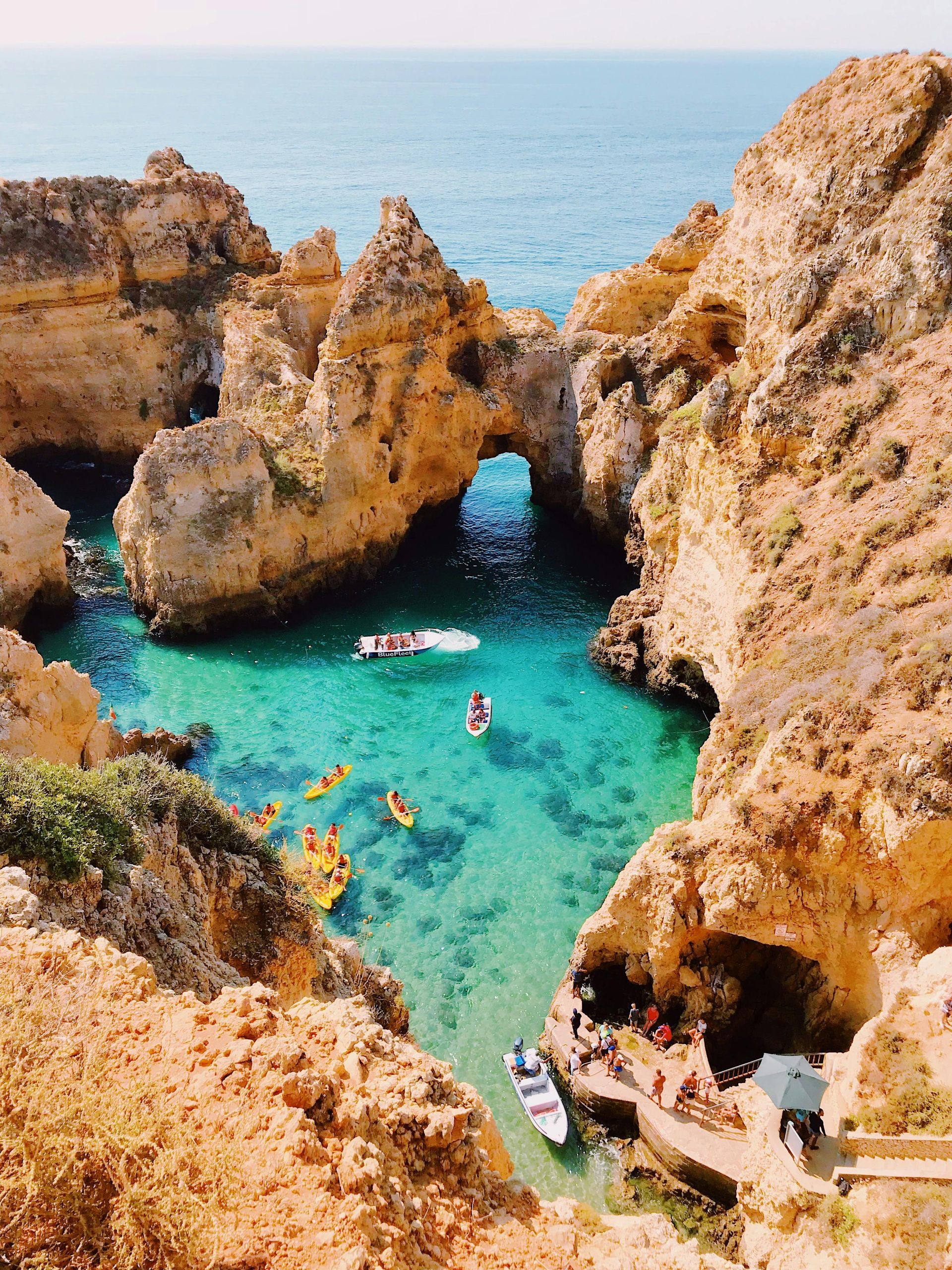
The Algarve and Alentejo regions are particularly well suited to yoga-focused LGBT wellness retreats, as both areas combine wide open landscapes with a slower pace of life that encourages reflection and presence. Retreat centres here are often set among rolling hills, vineyards, or dramatic coastlines, creating a strong sense of retreat from everyday pressures. This physical separation from busy urban life allows guests to settle more deeply into their practice, especially when yoga and meditation are paired with silence, nature walks, or breathwork.
Portugal’s approach to hospitality also resonates strongly with LGBT travellers, as it tends to be warm without being intrusive. Many retreat hosts emphasise emotional wellbeing, community connection, and individual comfort, which aligns well with the needs of travellers who may be seeking healing, grounding, or personal growth alongside physical movement.
Yoga Retreat Styles You’ll Find in Portugal
LGBT wellness retreats in Portugal often blend traditional yoga practice with holistic wellbeing elements that support both mental and emotional health. Morning yoga sessions are commonly followed by meditation, journalling, or mindful movement, while afternoons may include massage therapies, coastal walks, or unstructured time for rest. This rhythm is especially appealing to LGBT+ travellers who want space to reconnect with themselves without pressure to constantly engage or socialise.
Many retreats also incorporate plant-based or Mediterranean-inspired meals, which support the overall wellness journey while celebrating local flavours. Shared dining experiences often become an important part of the retreat, helping guests form genuine connections in a relaxed, supportive environment. For solo travellers in particular, this sense of gentle community can be one of the most valuable aspects of choosing an LGBT-inclusive yoga retreat.
Unlike larger wellness resorts, Portugal’s retreat centres tend to focus on intimacy rather than scale. Smaller group sizes allow facilitators to offer more personalised guidance, which is especially beneficial for guests navigating emotional or physical transitions.
How Gay Friendly Is Portugal?
Portugal is widely recognised as one of the most LGBT-friendly countries in Europe, with strong legal protections and a generally open-minded social culture. Cities such as Lisbon and Porto are well known for their visible LGBT communities, while rural areas benefit from a culture that values privacy and personal freedom. This combination creates a reassuring environment for retreat guests, particularly those who may be new to wellness travel or travelling alone.
In the Algarve, coastal towns and countryside retreat locations are accustomed to international visitors and tend to be welcoming and discreet. LGBT travellers rarely report feeling out of place, which allows them to fully engage with retreat activities without self-consciousness. This sense of ease is central to the success of LGBT wellness retreats, as true relaxation only becomes possible when safety and acceptance are felt rather than questioned.
3: Greece’s Islands and Mainland Retreat Regions
Why Greece Resonates with LGBT Wellness Travellers
Greece has long been associated with balance, reflection, and physical harmony, which makes it a natural fit for LGBT wellness retreats centred on yoga and mindful living. For LGBT+ travellers, Greece offers something particularly valuable: a sense of openness combined with deep cultural respect for personal expression. This balance allows wellness retreats to feel spiritually enriching without becoming prescriptive or restrictive.
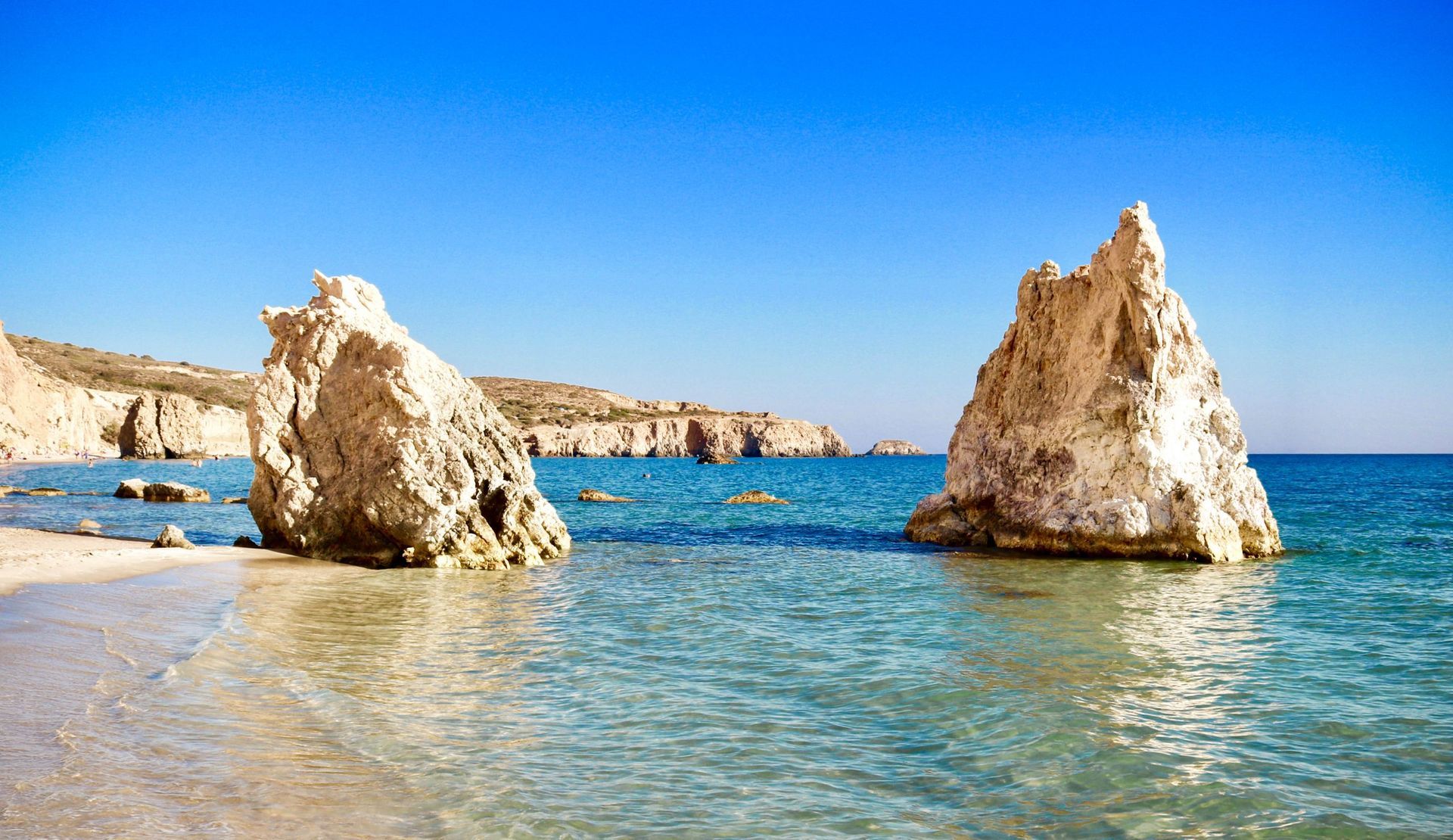
Yoga retreats across Greece often take place in tranquil island settings or rural mainland regions, where the landscape itself becomes part of the wellness journey. Olive groves, mountain views, and the gentle presence of the sea create an environment that encourages slowing down and reconnecting with the body. For many LGBT travellers, this slower rhythm provides a welcome contrast to high-pressure daily life, supporting deeper rest and emotional grounding.
Greek retreat hosts are increasingly aware of the importance of inclusivity, particularly as LGBT wellness travel grows in visibility. Many yoga retreat programmes are now explicitly welcoming to LGBT guests, creating spaces where participants can practise freely without fear of judgement or misunderstanding. This clarity around inclusivity makes Greece especially appealing to travellers who want reassurance before committing to a retreat experience.
The Structure of Yoga Retreats in Greece
LGBT-friendly yoga retreats in Greece often follow a balanced daily rhythm that allows space for both guided practice and personal reflection. Mornings typically begin with yoga and meditation, taking advantage of cooler temperatures and quiet surroundings, while afternoons are left intentionally open for rest, swimming, or journalling. Evening sessions may include restorative yoga, group discussions, or breathwork, helping guests wind down gently.
This structure works particularly well for LGBT wellness retreats because it respects individual needs and boundaries. Some guests may want social connection and shared experiences, while others prefer solitude and introspection, and the best Greek retreats allow for both without pressure. This flexibility helps create an emotionally safe environment where guests feel supported rather than managed.
Food also plays an important role in the retreat experience, with many programmes offering fresh, locally sourced meals that align with wellness goals while celebrating Greek culinary traditions. Shared meals often become moments of connection, reflection, and quiet joy, reinforcing the sense of community that many LGBT travellers value when choosing a yoga retreat.
How Gay Friendly Is Greece?
Greece is generally welcoming to LGBT travellers, particularly in destinations with established tourism infrastructure and visible queer communities. Cities such as Athens and Thessaloniki offer vibrant LGBT scenes, while islands like Mykonos are internationally recognised for their long-standing association with gay travel. This visibility contributes to a broader sense of acceptance that extends into retreat regions.
In quieter island and mainland settings, discretion and hospitality are highly valued, which often results in a relaxed atmosphere for LGBT guests. While some rural areas may be more traditional, retreat centres that actively welcome LGBT travellers provide a clear buffer of safety and reassurance. This allows guests to focus on their wellness journey without concern about social judgement or cultural friction.
For travellers new to LGBT wellness retreats, Greece offers a gentle introduction, combining familiar European comforts with a strong sense of escape and renewal.
4: Choosing the Right LGBT Wellness Retreat
How to Choose a Yoga Retreat That Truly Supports LGBT+ Travellers
Choosing from the growing number of LGBT wellness retreats across Europe can feel overwhelming, particularly when many retreats use similar language around inclusivity and wellbeing. For LGBT+ travellers, however, the difference between a genuinely affirming retreat and one that is merely tolerant can shape the entire experience. A retreat should feel like a place where you can soften, open up, and fully participate without managing how you are perceived.
One of the most important factors to consider is whether the retreat is explicitly designed for LGBT travellers or has a proven history of welcoming LGBT guests. Retreats that clearly state their audience, values, and experience tend to offer safer and more emotionally supportive environments. This transparency removes uncertainty and allows guests to arrive feeling confident rather than cautious, which is essential for any meaningful wellness journey.
It is also worth considering the group dynamic. Some LGBT wellness retreats are mixed-gender and open to the full spectrum of the community, while others may focus on specific identities or experiences. Neither approach is inherently better, but understanding the intended group helps ensure alignment with your personal needs and comfort level. A well-matched group often leads to deeper connection, trust, and shared understanding. For travellers weighing whether to book independently or seek specialist support, Why You Should Choose a LGBT Travel Agency for Your Next Trip explains how tailored planning improves comfort and peace of mind.
Why Specialist Planning Makes a Difference
Unlike general wellness holidays, LGBT wellness retreats require thoughtful planning that takes emotional safety, destination context, and retreat structure into account. Many competitors focus on price or availability, but specialist travel planning prioritises how each element of the trip works together to support wellbeing. This includes assessing the retreat environment, the surrounding community, accommodation standards, and how inclusive practices are embedded throughout the experience.
For LGBT travellers, small details matter greatly. These can include how facilitators introduce group discussions, how accommodation is allocated, and whether partners are acknowledged naturally rather than assumed away. When these details are handled well, guests can relax into the experience without distraction, allowing yoga and mindfulness practices to have their full effect.
Working with an LGBT specialist also means having someone advocate for you before you travel, ensuring that expectations are clear and that your retreat aligns with your values and needs. This layer of reassurance is often missing from large booking platforms, yet it plays a crucial role in creating truly restorative LGBT wellness retreats.
For travellers weighing whether to book independently or seek specialist support, Why You Should Choose a LGBT Travel Agency for Your Next Trip explains how tailored planning improves comfort and peace of mind.

Jamie Says:
"LGBT wellness retreats work best when travellers feel safe enough to fully let go. Yoga, mindfulness, and rest only have real impact when you are not second-guessing how you are perceived or whether you belong in the space. That is why we are so careful about the retreats we recommend across Europe. The right destination, the right hosts, and the right group dynamic can transform a simple yoga holiday into something deeply restorative, grounding, and genuinely affirming.”
Jamie Wake, Managing Director
Booking with Confidence: What Protection Really Means
Wellness travel often involves advance planning and significant emotional investment, which makes booking security especially important. When planning LGBT wellness retreats, protection should extend beyond financial considerations to include clarity, transparency, and support throughout the journey. Travellers deserve to know that their retreat is confirmed, their accommodation is secure, and their experience is supported from start to finish.
Protected booking arrangements help ensure that payments are safeguarded and that alternative arrangements are available should plans change unexpectedly. Just as importantly, having access to knowledgeable human support before departure and while travelling can reduce anxiety and provide peace of mind. This is particularly valuable for solo travellers or those new to retreat-style holidays. Global research also highlights the mental health benefits of yoga and mindfulness practices, as outlined by the World Health Organisation.
For LGBT travellers, knowing that there is a trusted team available if questions or concerns arise can make the difference between a stressful experience and a genuinely restorative one. This level of care reflects the understanding that wellness travel is as much about emotional security as it is about physical relaxation.
Is an LGBT+ Wellness Retreat Right for You?
Many travellers wonder whether an LGBT wellness retreat will suit their personality, fitness level, or emotional readiness. The reality is that these retreats are designed for a wide range of experiences and abilities, with yoga practices typically adaptable to different levels. More importantly, the focus is on presence and self-awareness rather than performance or perfection.
For some, an LGBT+ wellness retreat is about healing and reflection, while for others it is simply an opportunity to slow down and reconnect with themselves in a safe, affirming space. There is no single way to experience a retreat, and the best programmes honour individual journeys rather than imposing expectations.
If you are seeking a break that allows you to step away from daily pressures, feel accepted without explanation, and return home feeling more grounded, an LGBT wellness retreat can be a powerful choice.
Wellness Travel That Puts You First
Choosing the right LGBT Wellness Retreat is about more than yoga schedules or hotel views — it’s about finding a space where you feel supported in every part of your journey. Whether you’re reconnecting with your body, finding clarity in your thoughts, or discovering a new way of travelling that feels gentle and affirming, the right retreat can be transformative.
At Wide Awake Holidays, we understand that the best retreats are built on trust, clarity, and thoughtful design. We don’t just book your holiday, we help you choose experiences that match your comfort, your pace, and your sense of belonging. From the moment you reach out to us through every stage of your journey, you gain a partner who truly values your needs and your safety.
Wellness retreats invite you to relax, restore, and return home feeling more at peace. And with specialist planning, every step of that transformation is cared for with clarity, reassurance, and respect.
📧
reservations@wideawakeholidays.co.uk
🌐
www.wideawakeholidays.co.uk
📞 01495 400947
Send an Enquiry:
We will get back to you as soon as possible.
Please try again later.
Frequently Asked Questions
1. What are LGBT Wellness Retreats and why do they matter?
LGBT Wellness Retreats are travel experiences designed to support physical, mental, and emotional wellbeing in spaces that are affirming, inclusive, and welcoming for LGBT+ travellers. They matter because wellness travel is not just about yoga and meditation — it’s about feeling safe and seen in every part of the journey.
2. Do I need to be experienced in yoga to join a retreat?
Not at all. Most retreats offer sessions for all levels, from beginners to seasoned practitioners. The focus is on personal growth and comfort, not performance.
3. How can I tell if a retreat is genuinely LGBT-friendly?
Look for retreats that explicitly welcome LGBT+ guests, have facilitators with inclusive training, and provide clear communication about group dynamics, accommodation arrangements, and community values.
4. What should I bring to a yoga and wellness retreat?
Comfortable clothing for movement, a journal for reflection, sunscreen if you’re in a sunny destination, water bottle, and anything that supports your personal practice (e.g., a yoga mat if required).
5. Can I go to a wellness retreat alone?
Yes — many LGBT+ travellers choose solo retreats. Retreats often encourage connection while also respecting individual pace and preference for solitude.
6. Are wellness retreats safe for trans, non-binary, and gender-diverse travellers?
When chosen carefully, yes. Inclusive retreats will communicate respectful language practices and group support, and they will handle accommodation arrangements sensitively. If in doubt, speak to the retreat organiser ahead of booking.
7. How long do most retreats last?
Retreats typically range from 4 to 10 days, though there are shorter and longer options available depending on your needs and schedule.
8. Can retreats cater to dietary requirements?
Most do. Many European wellness retreats offer nutritious, locally inspired meals and can often accommodate vegetarian, vegan, gluten-free, or other dietary needs with advance notice.
9. Is travel insurance important for wellness retreats?
Travel insurance is always recommended. It ensures you’re covered for cancellations, medical needs, or unexpected changes during your trip.
10. How early should I book an LGBT Wellness Retreat?
Well in advance. These retreats are small and community-focused, so spaces fill quickly, especially in popular seasons like spring and autumn.
Some of our Latest Offers
Discover our latest hand-picked travel offers below – automatically updated and inspired by the destinations featured in this blog.