

Why LGBT+ Couples Should Visit the French Riviera in 2026

January 22, 2026


Why LGBT+ Couples Should Visit the French Riviera in 2026

When couples start planning LGBT Holidays in France, Paris usually comes first. Yet for many LGBT+ couples, the French Riviera offers a better balance of romance, ease, and variety, especially looking ahead to 2026. This stretch of Mediterranean coastline combines classic French style with practical travel, warm weather, and a quietly inclusive atmosphere that works well for couples who want to relax rather than constantly explain themselves.


The Riviera is not about one fixed experience. It is about choice. You can spend mornings wandering old towns, afternoons on the beach, and evenings over long dinners by the sea. You can be social when you want to be, and private when you do not. For many same-sex couples, that flexibility is exactly what makes a holiday feel restorative.


For couples who want to understand how the Riviera fits into the wider landscape of inclusive travel, our guide to Exploring LGBT+ Villages in France offers valuable context beyond the coast.


Why the French Riviera appeals to LGBT+ couples

The biggest advantage of the French Riviera is how naturally it fits couple travel. You are not tied to a resort bubble, and you are not expected to centre your trip around nightlife. Instead, the region offers a series of towns, each with its own personality, connected by fast trains and coastal roads. That makes it easy to tailor a trip around shared interests, whether that is food, culture, swimming, or simply slowing down together.


Another important factor is visibility. The Riviera has long welcomed international visitors, and same-sex couples are a familiar sight, particularly in coastal cities. Holding hands, booking one bed, or enjoying a quiet drink together rarely attracts attention. That sense of ease allows couples to focus on the experience rather than their surroundings.


Practicality also matters. Direct flights from the UK into Nice, reliable public transport, and a wide choice of hotels make planning straightforward. For 2026, shoulder-season travel in late spring or early autumn is especially appealing, offering warm weather without the intensity of peak summer crowds.

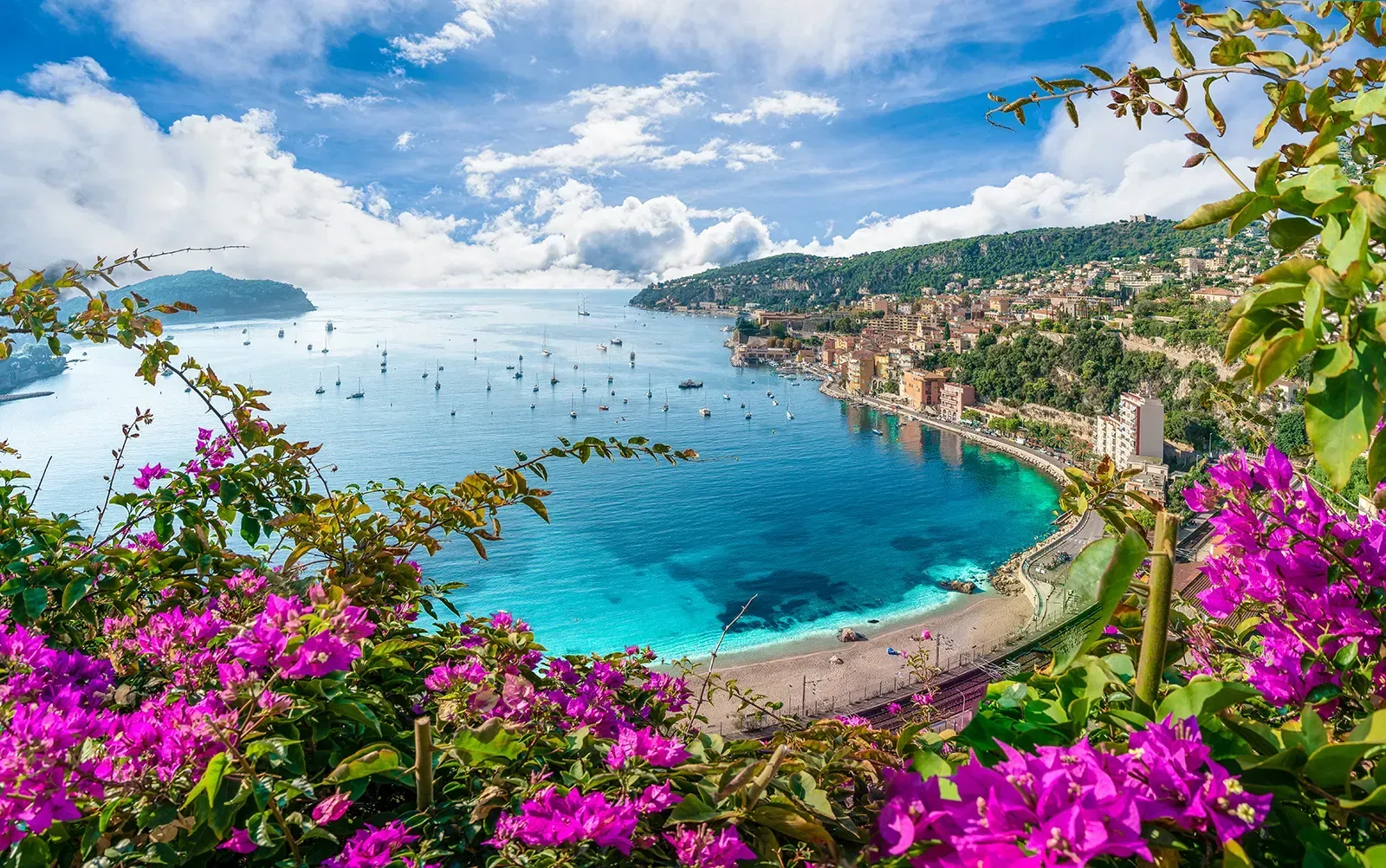
The French Riviera

The French Riviera as a base for exploring southern France

Staying on the Riviera gives couples access to far more than just the coast. From one base, you can explore hilltop villages, art museums, local markets, and quiet beaches, all without changing hotels every night. This suits couples who prefer depth over constant movement.


The rail line that hugs the coast is particularly useful. Trains run frequently and connect most towns in under an hour. That means you can enjoy dinner in one place and wake up somewhere quieter the next morning, without the stress of driving or parking.


Food also plays a central role in daily life here. Meals are unhurried, menus are seasonal, and dining out feels like part of the rhythm of the day rather than an event to plan around. For couples, this creates natural moments to connect, whether over a long lunch or a late evening glass of wine.


The French Riviera

Nice: culture, beaches, and everyday comfort

For many LGBT+ couples, Nice works best as a first stop. It is well connected, lively without being overwhelming, and easy to navigate on foot or by tram. Nice combines everyday French life with a strong visitor infrastructure, which makes it comfortable for couples travelling together for the first time.


The old town offers narrow streets, small bars, and casual restaurants where lingering is encouraged. Along the Promenade des Anglais, beach clubs provide sunbeds and drinks in a relaxed setting. While Nice does have a visible LGBT+ scene, it rarely dominates the experience, allowing couples to choose how social or low-key they want to be.


How gay friendly is Nice?


Nice has a long-established LGBT+ community and hosts regular events throughout the year. Same-sex couples are widely accepted, particularly in central areas and along the seafront. Most hotels and restaurants are accustomed to LGBT+ guests, and public displays of affection are generally met with indifference rather than judgement.

Nice also works well as a transport hub. From here, couples can easily reach Monaco, Antibes, and Cannes for day trips, returning in the evening to familiar surroundings.


Nice’s reputation for openness is explored in more detail in our dedicated feature on Nice as a welcoming seaside destination for LGBT+ travellers, which highlights why it remains one of France’s most comfortable cities for same-sex couples.


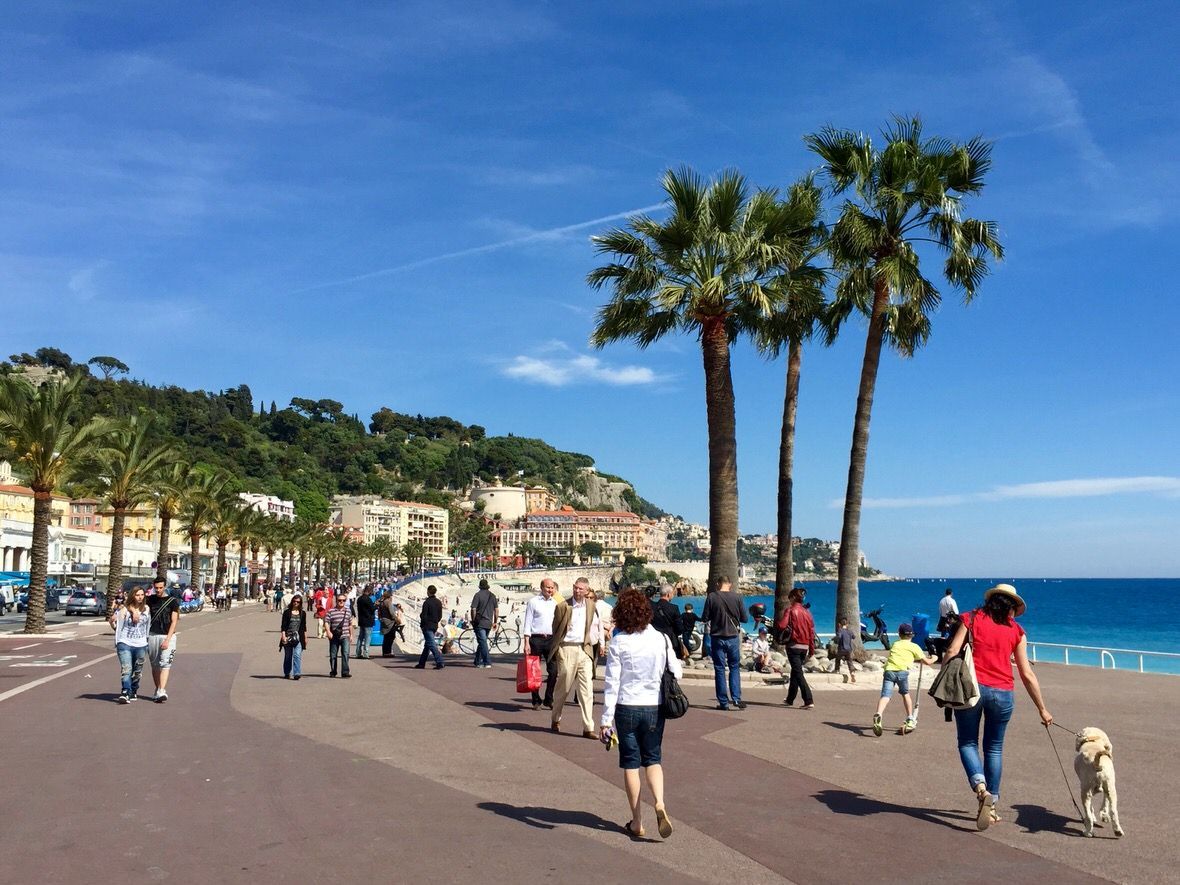
Coastal promenade with palm trees, people strolling, blue sea and sky. The French Riviera The French Riviera Nice

Antibes: relaxed charm and slower days

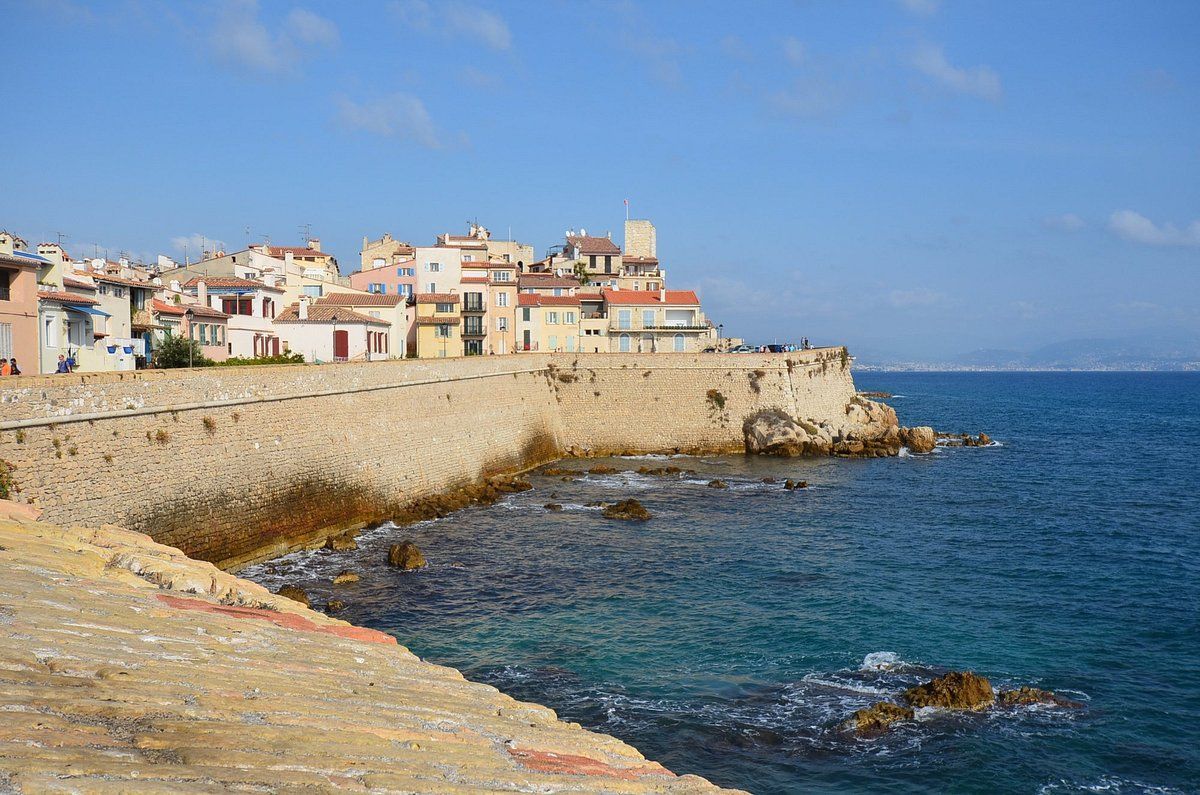
Couples who prefer a quieter pace often gravitate towards Antibes. Sitting between Nice and Cannes, Antibes feels more residential and less performance-driven than its neighbours. Days here tend to revolve around markets, swimming spots, and unplanned walks along the ramparts.


The old town is compact and full of character. Small hotels and apartments make it easy to feel settled, which suits couples staying for a week or longer. Cap d’Antibes, just outside the centre, offers secluded coves and walking paths that feel far removed from busy beaches. Couples drawn to slower days and a sense of privacy may also enjoy reading about Provence in our article on gay-friendly villages in southern France, which pairs beautifully with a Riviera stay.


How gay friendly is Antibes?


Antibes does not have a defined LGBT+ scene, but it is quietly welcoming. Same-sex couples are common, especially during warmer months, and there is little sense of scrutiny. This makes it a strong choice for couples who value calm and privacy over nightlife.


Antibes is also well positioned for exploring the coast, making it easy to combine with busier towns without staying in them.

Antibes The French Riviera

Cannes: elegance without the excess

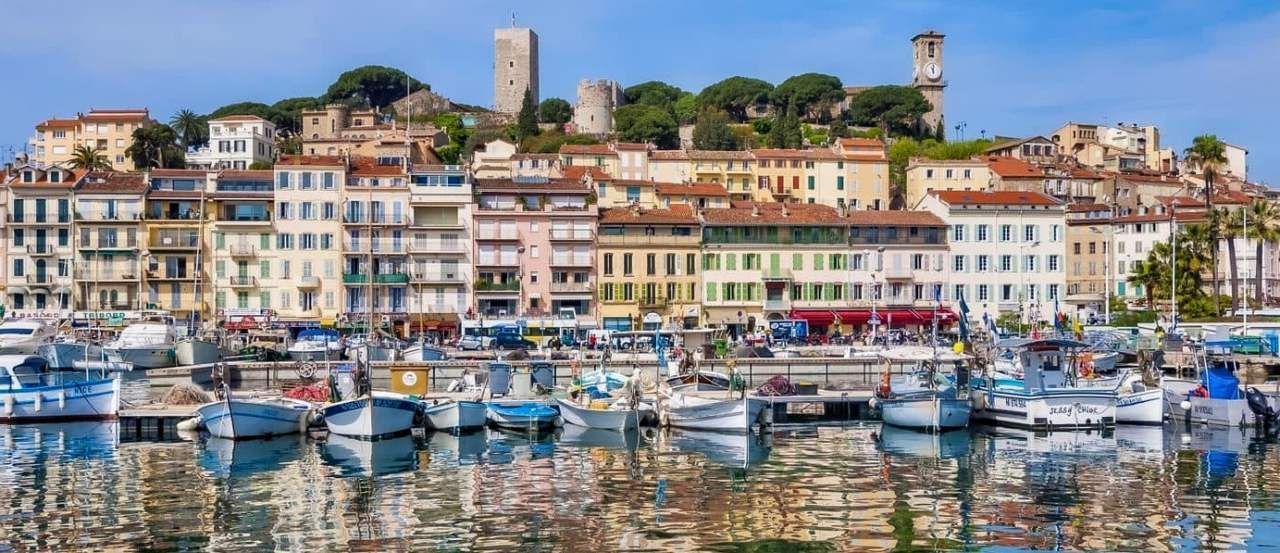
Often associated with red carpets and film festivals, Cannes surprises many couples with how accessible it feels outside peak event periods. Away from festival season, Cannes becomes a polished seaside town with wide promenades, long beaches, and excellent dining.


Staying slightly back from La Croisette allows couples to enjoy the town without feeling part of a spectacle. Le Suquet, the old quarter, offers quieter streets and panoramic views, ideal for evening walks together.


How gay friendly is Cannes?


Cannes is used to international visitors of all backgrounds. While it is not a hub for LGBT+ nightlife, same-sex couples are very much part of the mix. The atmosphere is discreet and respectful, which many couples appreciate, especially when travelling together.


Cannes also makes a good base for boat trips to the nearby islands, adding variety without long travel days.

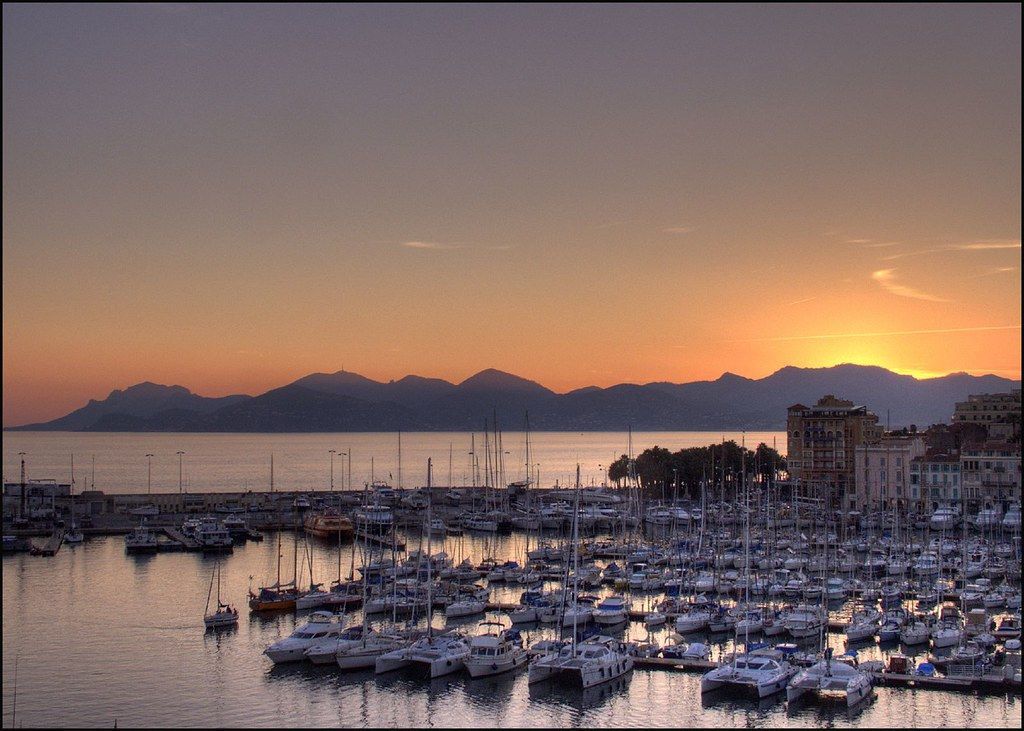
Boats in a harbor in front of a colorful seaside town. Buildings line the shore, topped by a tower. Cannes

Monaco: intimacy, scenery, and something a little different

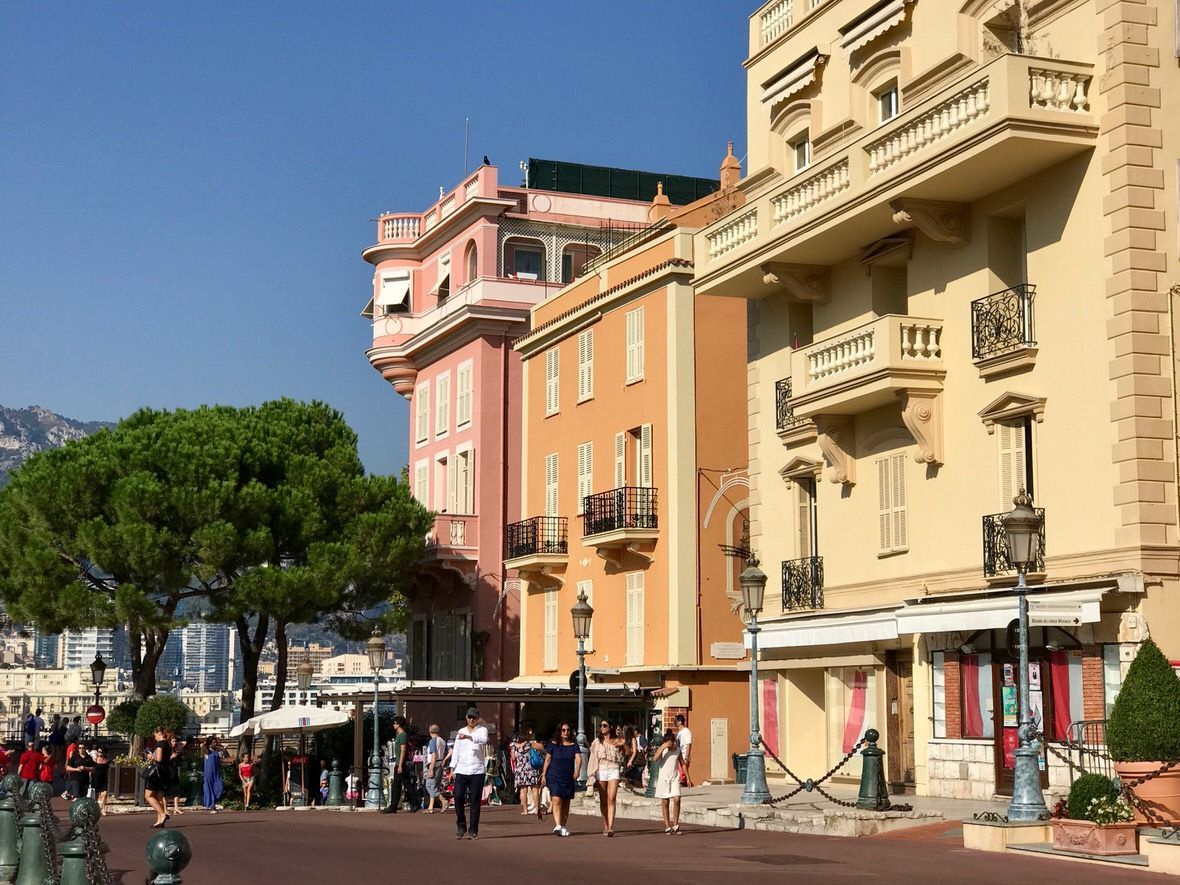
Although technically its own principality, Monaco fits naturally into a French Riviera itinerary and offers LGBT+ couples a contrasting experience. Monaco is compact, immaculately kept, and easy to explore on foot or by public lifts and buses. For couples, that makes it feel contained and surprisingly calm once you move away from the main harbour.


Many visitors come expecting flash and formality, but the quieter areas of Monaco-Ville and Larvotto reveal a more relaxed rhythm. Walks along the coastal paths are particularly appealing for couples who enjoy scenery without crowds, and cafés here tend to be unpretentious once you step beyond the casino area.


How gay friendly is Monaco?


Monaco is discreet rather than expressive, but it is welcoming. Same-sex couples are not unusual, and service standards are high across hotels and restaurants. While it does not have a visible LGBT+ scene, couples rarely feel out of place. For a short stay or day trip, Monaco adds variety without tension.


Monaco also works well as a stop between Nice and Menton, making it easy to include without changing accommodation.

Buildings on a sunny street in Monaco with people walking by.

When is the best time to visit the French Riviera in 2026?


Timing makes a noticeable difference to how the Riviera feels, especially for couples. While summer brings guaranteed sunshine, it also brings crowds and higher prices. For many LGBT+ couples planning LGBT Holidays in France, the shoulder seasons in 2026 offer a better balance.


Late April to June and September to early October are particularly appealing. During these months, temperatures are warm but comfortable, beaches are less busy, and towns feel more lived-in. Restaurants are easier to book, and hotels often offer better value without compromising quality.


Spring suits couples who enjoy walking, sightseeing, and markets, while early autumn is ideal for swimming and long evenings outdoors. Both periods feel calmer and more romantic than peak summer, which matters when the aim is time together rather than ticking boxes.

Where LGBT+ couples should stay on the French Riviera


Accommodation choices on the Riviera vary widely, and couples benefit most from being selective. Rather than chasing big-name hotels, many couples prefer smaller properties where service feels personal and privacy comes naturally.


Good options for couples include:


  • Boutique hotels in old towns, which place you close to cafés, galleries, and evening life without late-night noise.
  • Seafront hotels just outside centres, offering views and calm while remaining walkable or well connected.
  • Apartment-style stays, which suit longer trips and allow couples to settle into a routine.


What matters most is location. Being close to a train station or central promenade makes day trips easier and reduces reliance on taxis or cars. For couples, that convenience often outweighs extra facilities.


When booking through a specialist, accommodation can also be matched to travel style, whether that is romantic, relaxed, or quietly social.

How to travel around the Riviera as a couple


One of the Riviera’s strengths is how easy it is to get around without stress. For couples, this removes a lot of friction from the trip and allows days to unfold naturally.


The coastal train line is the backbone of the region. Trains are frequent, reliable, and inexpensive, linking all major towns. Stations are usually central, which means less time navigating unfamiliar areas. For shorter distances, buses are also effective, particularly between beaches and hilltop villages.


Many couples choose not to hire a car at all, especially if staying in Nice or Antibes. This avoids parking issues and allows both partners to relax fully. If a car is useful, it is usually for a single day to explore inland villages rather than for the entire stay.

Why the Riviera feels right for LGBT+ couples in 2026


Looking ahead to 2026, the French Riviera stands out because it offers reassurance as well as beauty. Couples can travel confidently, knowing the region is accustomed to diversity and international visitors. The atmosphere is neither performative nor political. It is simply welcoming.


For LGBT+ couples who want quality time, good food, and memorable surroundings without constant planning, the Riviera delivers. It allows you to move at your own pace, choose your level of social interaction, and focus on shared experiences.


That balance is not always easy to find, which is why the Riviera continues to resonate with couples year after year. For an independent overview of France’s LGBT+ travel credentials and equality record, the International LGBTQ+ Travel Association provides useful global context.

Jamie explores  Why LGBT+ Travellers Should Support Local LGBTQ Businesses

Jamie Says:

"The French Riviera works so well for LGBT+ couples because it doesn’t force you into one type of holiday. You can be visible without being on display, social without pressure, and romantic without trying too hard. That’s exactly what many of our clients are looking for when they plan LGBT Holidays in France.”


Booking with confidence: how your holiday is protected


For many LGBT+ couples, feeling secure about how a holiday is booked is just as important as where you go. Travel should feel exciting, not uncertain. When your trip is arranged properly, you can focus on enjoying time together rather than worrying about what might go wrong.


When you book LGBT Holidays in France through a specialist who understands both the destination and LGBT+ travellers, your holiday is structured to protect you from start to finish. Flights, accommodation, and transfers are coordinated as part of a single package, rather than a collection of disconnected bookings. This means that if plans change due to circumstances outside your control, you are supported rather than left to manage it alone. If feeling secure about arrangements matters as much as the destination, our article on travelling confidently as an LGBT+ couple explains how thoughtful planning removes unnecessary stress.


It also means clarity. You know who to contact, what is covered, and how your money is protected. For couples, especially those planning an important trip such as an anniversary or honeymoon, that reassurance makes a real difference. It allows you to book earlier, secure better options for 2026, and look forward to your holiday with confidence.


Planning your French Riviera escape


For LGBT+ couples thinking about LGBT Holidays in France in 2026, the French Riviera offers something rare: variety without complication. You can be yourselves, move at your own pace, and enjoy a destination that values style, food, and simple pleasures.


If you’d like help shaping a Riviera holiday that suits you as a couple, from choosing the right base to managing every detail with care, the team at Wide Awake Holidays are ready to help.


📧 reservations@wideawakeholidays.co.uk
🌐 www.wideawakeholidays.co.uk
📞 01495 400947


Send an Enquiry

Frequently Asked Questions

  • Is the French Riviera safe for same-sex couples?

    Yes. The French Riviera is generally very safe for same-sex couples, particularly in cities such as Nice, Antibes, and Cannes. Same-sex couples are a familiar part of everyday life, and most visitors experience a relaxed, welcoming atmosphere.

  • Do we need to stay in a specifically gay hotel?

    No. Most couples choose mainstream hotels or boutique properties. These are used to hosting LGBT+ guests and often provide a more natural, comfortable experience than explicitly branded venues.

  • Is it easy to travel around without a car?

    Yes. The coastal train line connects the main towns quickly and affordably. Many couples find that trains and local buses are more convenient than driving, especially in busy areas.

  • Which Riviera town is best for a romantic stay?

    Antibes and quieter parts of Nice are popular for romance. They offer atmosphere, scenery, and walkability without the intensity of larger crowds.

  • Are there LGBT-friendly beaches?

    Yes. While most beaches are mixed rather than labelled, same-sex couples are common and generally feel comfortable. Beach clubs around Nice and Cannes are particularly relaxed.

  • Is the Riviera suitable for a honeymoon?

    Very much so. The mix of scenery, food, and calm luxury makes it ideal for couples celebrating something special, especially outside peak summer months.

  • How public can we be as a couple?

    Holding hands or sharing affection is widely accepted, especially in coastal and central areas. As anywhere, discretion is sensible, but most couples feel at ease.

  • What budget should couples expect?

    Costs vary by season and location. Shoulder seasons in 2026 offer better value, with high-quality hotels and dining available at more manageable prices.

  • Is the Riviera welcoming outside summer?

    Yes. Spring and early autumn are particularly appealing. Towns feel more authentic, temperatures are comfortable, and travel feels less rushed.

  • How far in advance should we book for 2026?

    Booking early is recommended, especially for popular months and boutique hotels. Planning ahead also allows more flexibility in tailoring your trip.


Some of our Latest Offers

Discover our latest hand-picked travel offers below – automatically updated and inspired by the destinations featured in this blog.


Gay friendly cities in the US for winter travel
By Jamie Wake January 26, 2026
Explore top gay friendly cities in the US for winter travel, from snowy culture hubs to sun-kissed escapes, all with welcoming LGBTQ+ scenes.
Gay Cruises 2026: How to Book the Perfect LGBT+ Cruise
By Jamie Wake January 25, 2026
Planning gay cruises in 2026? Learn how to choose, book, and enjoy the perfect LGBT+ cruise with expert tips and confidence.
Top LGBT Destinations: USA’s Friendliest Trips 2026
By Jamie Wake January 24, 2026
Discover Top LGBT Destinations in the US for 2026, with neighbourhood tips, trip styles, and protected booking guidance from Wide Awake Holidays.
LGBT Wellness Retreats in Europe for LGBT+ Travellers
By Jamie Wake January 23, 2026
Discover the best European LGBT Wellness Retreats for queer travellers. From inclusive yoga holidays in Spain, Portugal & Greece to expert planning tips & FAQs.
London Gay Bars: Best LGBT+ Pubs & Nightlife Guide
By Jamie Wake January 21, 2026
Discover the top London Gay Bars, from Soho classics to iconic venues. Your guide to LGBT+ pubs, nightlife tips, and best places to socialise in London. Duda Tags: London Gay Bars guide, LGBT+ pubs in London, Soho gay nightlife, best gay bars London, London LGBT travel tips
Winter Pride Holidays: The Best LGBT+ Events Worldwide
By Jamie Wake January 20, 2026
Discover the best Winter Pride Holidays worldwide, from ski weeks to winter sun. LGBT+ friendly events, destinations, and expert planning advice.
LGBT Travel Safety: How to Travel Confidently in Conservative Countries
By Jamie Wake January 19, 2026
LGBT Travel Safety tips for conservative countries. Learn how to plan smartly, stay safe abroad, and travel with confidence as an LGBT+ traveller.
Gay Amsterdam Travel: A Day in the Life of an LGBT+ Traveller
By Jamie Wake January 18, 2026
Gay Amsterdam Travel made easy with a real day-in-the-life guide for LGBT+ travellers exploring Amsterdam safely, confidently, and comfortably.
Gay-Friendly Beach Resorts in Europe for 2026
By Jamie Wake January 17, 2026
Discover five gay-friendly beach resorts in Europe for 2026, chosen for comfort, inclusivity, and unforgettable seaside stays.
LGBT City Breaks in Europe: Berlin, Lisbon, Barcelona & Amsterdam
By Jamie Wake January 16, 2026
Discover Europe’s best LGBT city breaks. Explore Berlin, Lisbon, Barcelona and Amsterdam with expert planning and full travel protection.
Show More