
How to Make Your Holiday Travel More LGBT+ Friendly
How to Make Your Holiday Travel More LGBT+ Friendly
You want
LGBT Friendly Travel that feels simple.
You also want it to feel normal.
No awkward moments.
No second-guessing.
Just a holiday where you can relax.
This guide shows you how to make any trip more LGBT+ friendly.
It’s not about chasing a label.
It’s about choosing places, people, and plans that treat you well.
And yes, it can be done without overthinking.
Small choices make a big difference.
So let’s make the next one easier.
What “LGBT Friendly Travel” actually means in real life
“Friendly” is a big word.
So let’s make it practical.
LGBT Friendly Travel means you can do the basics without stress.
You can book a double room without side-eye.
You can check in as a couple without a lecture.
You can be yourself without managing everyone else’s feelings.
However, true friendliness is more than a rainbow logo.
It shows up in policies and people.
It shows up in how staff speak to you.
It shows up in what happens when something goes wrong.
Here are the clearest signs you’re in the right place:
- Respectful language is normal. Names and pronouns are handled calmly.
- Double beds stay double beds. Nobody “confirms” your relationship.
- Privacy is protected. Staff don’t gossip or “warn” colleagues.
- Local life feels safe enough. You’re not constantly scanning the room.
- You can be visible when you want. That includes photos, holding hands, and anniversaries.
That last point matters.
Because safety and joy go together.
You deserve both.
For travellers who value culture, food, and meaningful local experiences, destinations that balance visibility with everyday inclusion can be especially rewarding — explored in Your Guide to Gay-Friendly Wine Tours in Europe.
The two checks competitors often mention, but don’t fully explain
Most competitor guides tell you to “check laws” and “read the vibe”.
That’s correct.
But it’s often too vague to use.
So here’s the usable version:
Check 1: Legal reality (country and region).
Look up the basics before you book.
Some countries are safe in one city and not in another.
That’s why region matters.
Check 2: Social reality (street-level).
Ask: will you feel comfortable in restaurants, taxis, and hotel lobbies?
Because that’s where holidays happen.
Not just in nightlife.
If either check feels uncertain, don’t panic.
You may still travel there safely.
You just plan differently.
And that’s the point of this post. For an overview of global LGBT+ legal protections and social attitudes, resources like ILGA World’s country-by-country equality maps can help travellers understand the wider context before they book.
The pre-booking routine that makes your trip more LGBT+ friendly
This is the part that saves you hassle later.
It takes about 20 minutes.
Do it once, then enjoy the rest.
Step 1: Decide what “friendly” looks like for you
Everyone travels differently.
So start with your non-negotiables.
Ask yourself:
- Do you want a lively LGBT+ scene, or just a calm beach?
- Do you need privacy, or do you love being social?
- Are you travelling as a same-sex couple, solo, or with friends?
- Do you need a destination that’s good for trans and non-binary travellers?
- Will you be happier in an adults-only resort, or a mixed setting?
Write three priorities.
Keep them simple.
Then plan around those.
This step is quick.
Yet it changes everything.
Step 2: Choose your base area, not just the country
Competitor sites often list “top LGBT cities”.
That helps, but it’s only half the job.
Your hotel area affects your whole holiday.
So choose it with care. Choosing accommodation that genuinely welcomes you can remove a lot of anxiety, which is why understanding what makes truly inclusive stays matters — as explored in Why Gay-Friendly Hotels Are the Way to Go.
Look for:
- A walkable area with busy cafés and late dinners
- Easy taxis and clear transport options
- A reputation for being open-minded, not just touristy
- A mix of travellers, not only stag groups
Also, check distance.
A hotel can be “near the gay area” and still be a 40-minute taxi.
If you want an easier trip, stay closer.
It’s worth it.
Step 3: Learn to spot “real” inclusion versus pinkwashing
Some brands are getting better.
Others are getting louder.
Here are signals that usually mean inclusion is genuine:
- Staff training that mentions LGBT+ guests
- Clear anti-discrimination policies
- Diverse imagery across the website, not just one page
- Reviews that mention LGBT+ couples feeling comfortable
- Partnerships with local LGBT+ organisations
And here are the warning signs:
- Only a rainbow badge, with no detail
- Vague “all are welcome” language everywhere
- Reviews that mention awkward check-ins
- Social media that feels performative in June only
Trust your instincts.
If it feels off, it often is.
Step 4: Check your accommodation with five simple questions
Before you book, ask these.
You can message the hotel directly,or ask your travel agent.
- Can you confirm we’ll have the bed type we booked?
- Is there any reason a same-sex couple would be placed in a twin room?
- Do you have staff training for inclusive guest service?
- Is there a duty manager available 24/7?
- If there’s an issue, how is it handled on site?
You’re not being difficult.
You’re setting a standard.
Good hotels will respect that.
What to book (and what to avoid) for a more LGBT+ friendly holiday
This is where a holiday becomes easy.
Or where it gets messy.
So let’s make it simple.
Flights and airports: small moves that reduce stress
Airports can be fine.
They can also be draining.
If you’re travelling as a couple, keep it straightforward:
- Use the same surname format on tickets if you share one
- Keep bookings under one reference
- Choose seats together to avoid “split” situations
- Plan a calm connection time if transiting
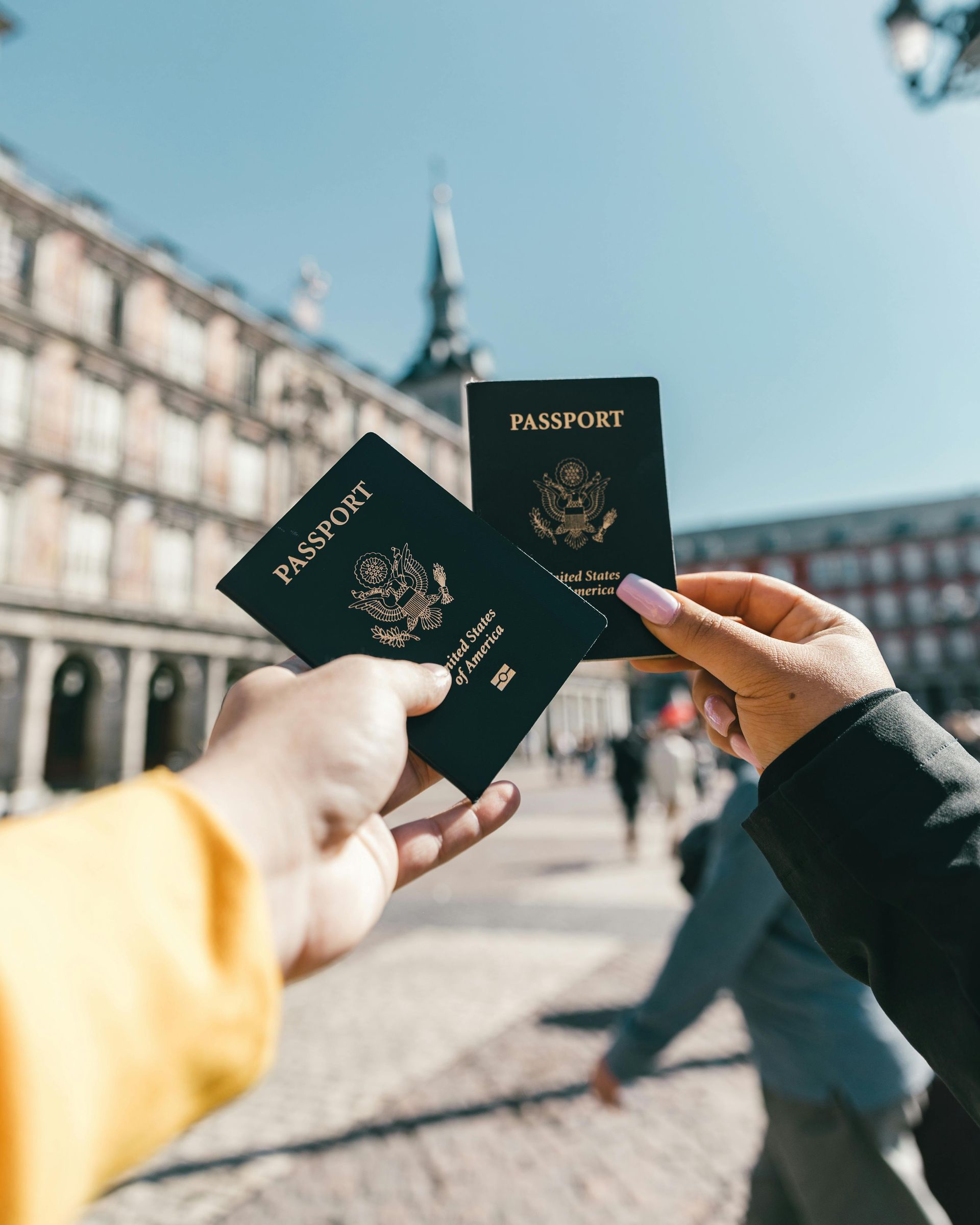
If you’re trans or non-binary, document matching can matter.
So check passport details early.
If anything needs updating, do it before the rush.
Also, choose your arrival time wisely.
Late-night arrivals can feel more exposed.
A daytime check-in is often smoother.
Transfers: pre-booked beats improvised
This is overlooked on many competitor pages.
Yet it’s one of the biggest comfort upgrades.
A pre-booked transfer means:
- Less negotiation
- Less confusion
- Less time standing around with bags
- More control if you’re arriving late
If you want LGBT Friendly Travel that feels calm, start here.
It’s a simple win.
Tours and experiences: choose hosts, not just activities
The same city can feel very different depending on who guides you.
So check the operator, not only the tour title.
Look for:
- Small groups and clear meeting points
- Language that avoids gender assumptions
- Reviews that mention respectful hosts
- Options for private tours if you prefer control
Food tours, boat trips, and walking tours can be brilliant.
But only if you feel comfortable the whole time.
Nightlife: plan the “before” and “after”
A good night out is fun.
A stressful return isn’t.
Before you go out, decide:
- How you’ll get back (taxi, walk, rideshare)
- Whether the route feels safe at night
- What time you’ll leave
- Who has the hotel key and room number
This isn’t fear.
It’s just planning.
And planning makes holidays smoother.

Spain: easy-going, social, and confidently inclusive
Spain remains one of the strongest choices for LGBT Friendly Travel.
It’s relaxed.
It’s familiar.
And it rarely feels like hard work.
You don’t need to plan every detail.
That’s part of the appeal.
Why Spain works so well
Spain combines legal protection with social comfort.
Same-sex couples are visible.
Staff are used to diversity.
And tourism culture is mature.
You can eat late.
Dress how you want.
And enjoy public spaces without tension.
That matters more than nightlife alone.
Where to base yourself
Your experience depends on the area.
Choose wisely.
- Barcelona (Eixample or El Born): Urban, walkable, and welcoming
- Madrid (Chueca): Lively, central, and openly LGBT+
- Sitges: Relaxed resort feel with a strong community
- Gran Canaria (Playa del Inglés / Maspalomas): Resort-style ease with choice
Each works for different travellers.
Each offers comfort in its own way.
Linking line for offers: We can recommend hotels in Spain where same-sex couples are treated as standard, not a surprise.
What to do without overthinking
Spain is good at casual pleasure.
So keep plans light.
- Long lunches that turn into evenings
- Beach days with clear access points
- Rooftop bars with mixed crowds
- Cultural visits where you blend in naturally
You don’t need to stay in an “LGBT-only bubble”.
But you can, if you want.
How Gay Friendly is Spain?
Spain is confidently gay friendly.
Not perfect.
But predictable in a good way.
Public affection is normal in cities and resorts.
Staff rarely react.
Issues are uncommon and usually resolved quickly.
If you want a first-time LGBT Friendly Travel experience, Spain is a safe bet.
If beach time is a priority, planning where you can relax openly makes all the difference — our guide to
LGBT+ Friendly Beaches highlights destinations where comfort and visibility come naturally.
Portugal: calm, stylish, and quietly supportive
Portugal doesn’t shout.
It doesn’t need to.
For many LGBT+ travellers, that’s the charm.
It suits couples who value ease.
It suits solo travellers who like space.
And it suits anyone who prefers quality over noise.
Why Portugal feels comfortable
Portugal is legally progressive.
Socially, it’s polite and low-drama.
You’re unlikely to be stared at.
You’re unlikely to be questioned.
You’re likely to be left alone in a good way.
That creates a sense of calm.
Where to stay for the best experience
- Lisbon (Principe Real or Bairro Alto): Central, creative, and welcoming
- Porto: Romantic, walkable, and understated
- Algarve (central towns, not party zones): Beach-focused with comfort
Avoid overly rowdy areas if you want rest.
Portugal shines when it’s relaxed.
We can match you with Portugal hotels that are discreetly inclusive and well-reviewed by LGBT+ guests.
Travelling alone comes with different considerations, and many of the same principles apply — especially when safety and confidence matter, as covered in LGBT+ Solo Travel: Exploring New Destinations Safely.
What travellers often get wrong
Portugal is not a party-first destination.
And that’s fine.
Don’t expect:
- Loud club scenes everywhere
- Late-night chaos
- Heavy LGBT branding
Do expect:
- Great food
- Polite service
- Thoughtful design
- Safe-feeling streets
This balance suits many travellers.
How Gay Friendly is Portugal?
Portugal is reliably gay friendly.
It’s subtle.
It’s respectful.
For LGBT Friendly Travel that prioritises comfort over spectacle, Portugal works extremely well.
Thailand: welcoming hospitality with cultural awareness
Thailand appears on many competitor lists.
Often without nuance.
So let’s add it.
Thailand can be an incredible choice.
But it rewards informed planning.
Why Thailand attracts LGBT+ travellers
Thai hospitality is genuine.
Service is warm.
Diversity is visible, especially in cities.
Same-sex couples are common in tourist areas.
Trans visibility is part of public life.
And visitors are generally welcomed.
That said, cultural norms still apply.
Where to go for an easier trip
- Bangkok: Urban, diverse, and well-versed in LGBT+ travellers
- Phuket (select areas): Resort ease with international crowds
- Chiang Mai: Calm, creative, and accepting
Choose hotels with international standards.
It makes a difference.
Linking line for offers: We can guide you to Thai resorts and city hotels known for respectful service and consistent standards.
How to travel comfortably in Thailand
A few tips smooth everything out:
- Dress with local norms in mind outside resorts
- Be discreet with public affection in rural areas
- Use reputable transport services
- Choose guided experiences when exploring further afield
None of this limits your fun.
It just avoids friction.
How Gay Friendly is Thailand?
Thailand is welcoming and tolerant.
Acceptance is cultural, not legal-first.
For LGBT Friendly Travel, it works best when you understand the setting.
With the right plan, it can feel wonderfully easy.
Canada: space, safety, and everyday inclusion
Canada often gets overlooked.
That’s a mistake.
For travellers who value personal space and clear rights, it’s excellent.
Why Canada feels reassuring
Canada combines strong legal protections with social acceptance.
Staff training is common.
Language is careful.
And diversity is visible.
You’re unlikely to feel singled out.
That’s the comfort.
Best bases for LGBT+ travellers
- Toronto: Big-city energy with inclusive neighbourhoods
- Vancouver: Outdoorsy, relaxed, and open-minded
- Montreal: Creative, social, and culturally confident
Each offers different moods.
All feel safe.
Linking line for offers: We can tailor Canada trips with central hotels and smooth transport, so the focus stays on enjoyment.
What makes Canada different
Canada excels at everyday ease:
- Clear signage
- Calm service
- Respectful interactions
- Strong accommodation standards
If you want a holiday without emotional labour, Canada delivers.
How Gay Friendly is Canada?
Canada is highly gay friendly.
It’s consistent.
It’s reliable.
For LGBT Friendly Travel that feels natural rather than “managed”, Canada is a strong choice.
How to make any holiday more LGBT+ friendly (even in mixed destinations)
You won’t always travel to a “headline” LGBT destination.
And you don’t need to.
Many great holidays happen in places that are mixed, mainstream, or quietly inclusive.
What matters is
how you plan, not just where you go.
This section shows you how to shape LGBT Friendly Travel anywhere in the world.
Handling awkward moments without letting them ruin your trip
Even in friendly places, small moments can happen.
A wrong assumption.
An odd comment.
An uncomfortable pause.
What matters is how much space you give it.
Decide in advance how you’ll respond
This sounds simple.
It’s powerful.
Before you travel, agree how you’ll handle:
- Being asked for separate beds
- Being referred to as “friends”
- Curious or clumsy questions
- Staff checking twice “just to be sure”
You might choose to correct gently.
You might choose to ignore it.
You might escalate if needed.
There’s no right answer.
But deciding early stops the moment from growing.
Use your accommodation team properly
A good hotel can fix a lot.
But only if they know.
If something feels off:
- Speak to reception or the duty manager
- Be calm and specific
- Ask for a practical solution, not an apology
- Request confirmation that the issue won’t repeat
Most problems are resolved quietly at this stage.
And quickly.
That’s the goal.
Protect your energy
You’re on holiday.
Not on duty.
You don’t need to educate everyone.
You don’t need to explain your life.
You don’t need to be endlessly patient.
Choose ease.
That’s part of LGBT Friendly Travel too.
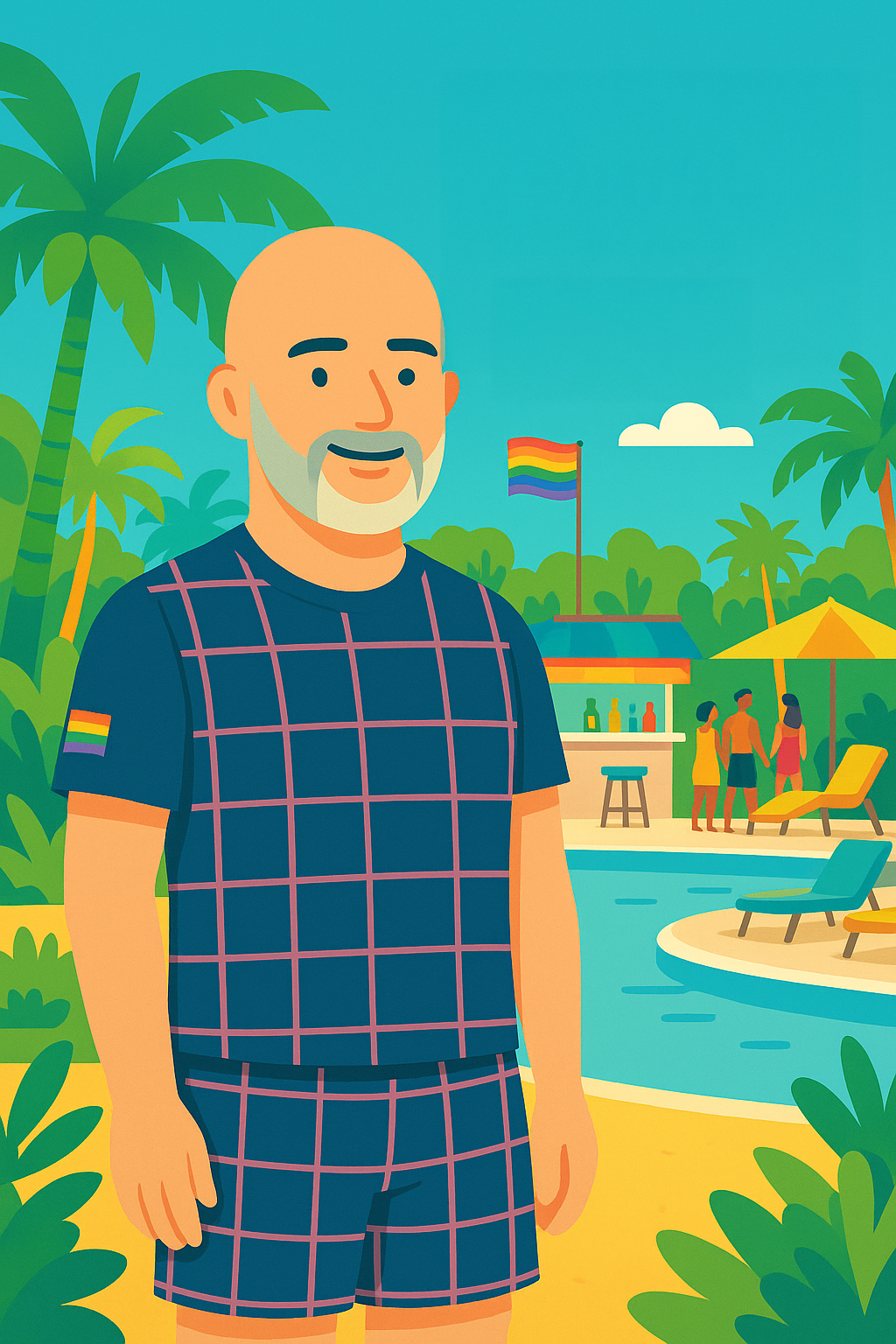
Jamie Says:
“The best LGBT Friendly Travel plans feel boring on paper. That’s a good thing. If the checks are done early, you stop thinking about safety and start thinking about sunsets, food, and fun.”
Jamie, Founder of Wide Awake Holidays
Why booking protections matter more for LGBT+ travellers
This is where many competitor blogs stop short.
They mention safety.
They don’t explain
security.
So let’s be clear.
When something goes wrong on holiday, you want support.
Not silence.
Not blame.
Not “take it up locally”.
What real booking protection gives you
Strong protection means:
- You’re not left alone if accommodation changes unexpectedly
- You have help if a hotel isn’t as inclusive as promised
- You can move properties if there’s a genuine issue
- You have a UK-based team to speak to
- Your money is protected if plans collapse
This matters for all travellers.
It matters more when inclusion is part of the booking promise.
Why using an LGBT+ specialist makes a difference
An LGBT+ specialist doesn’t just book flights and hotels.
They filter risk.
They know:
- Which properties quietly downgrade same-sex couples
- Which destinations are fine on paper but tricky in practice
- Which hotels handle issues professionally
- Which suppliers genuinely care
That knowledge isn’t in brochures.
It comes from experience.
And it saves you stress.
Linking line for offers: When you book with us, your holiday is planned, protected, and backed by people who understand LGBT Friendly Travel properly.
Planning your next LGBT LGBT-friendly travel experience
A great holiday doesn’t need drama.
It needs thought.
It needs support.
And it needs people who understand what matters to you.
If you want help shaping a trip that feels comfortable, inclusive, and properly protected, we’re here.
📧
reservations@wideawakeholidays.co.uk
🌐
www.wideawakeholidays.co.uk
📞
01495 400947
Send an Enquiry
We will get back to you as soon as possible.
Please try again later.
Frequently Asked Questions - Best Gay Resorts
1. What does LGBT Friendly Travel actually mean?
It means travel where LGBT+ people are welcomed, respected, and able to relax without hiding who they are. It includes legal safety, social comfort, and inclusive service.
2. Are LGBT friendly destinations always expensive?
No. Many LGBT Friendly Travel options are affordable, especially when you choose the right area and accommodation rather than paying for branding alone.
3. Is it safe to travel as a same-sex couple everywhere?
Safety varies by destination and region. With informed planning, many places are enjoyable, but checking laws and local attitudes is essential.
4. How can I tell if a hotel is genuinely LGBT friendly?
Look for consistent inclusive language, trained staff, real guest reviews, and clear policies. One rainbow logo alone isn’t enough.
5. Do I need to stay in gay-only hotels or resorts?
Not at all. Many mainstream hotels are excellent for LGBT Friendly Travel when they’re well-run and inclusive.
6. Is public affection safe when travelling?
It depends on the destination. In many places it’s normal. In others, discretion avoids attention. Knowing the context helps you decide comfortably.
7. Are LGBT Friendly Travel experiences suitable for solo travellers?
Yes. Solo LGBT+ travellers often find inclusive destinations easier and more social, especially in cities with visible LGBT communities.
8. How does booking through a specialist help?
A specialist understands which suppliers are reliable, how to handle issues, and how to protect you if plans change.
9. What if something feels wrong during my trip?
Trust your instincts. Speak to your accommodation team first, then your travel provider if needed. Support should be available.
10. Can LGBT Friendly Travel still feel spontaneous?
Absolutely. Good planning creates freedom. When the basics are handled, you can relax and enjoy the moment.
Some of our Latest Offers
Discover our latest hand-picked travel offers below – automatically updated and inspired by the destinations featured in this blog.