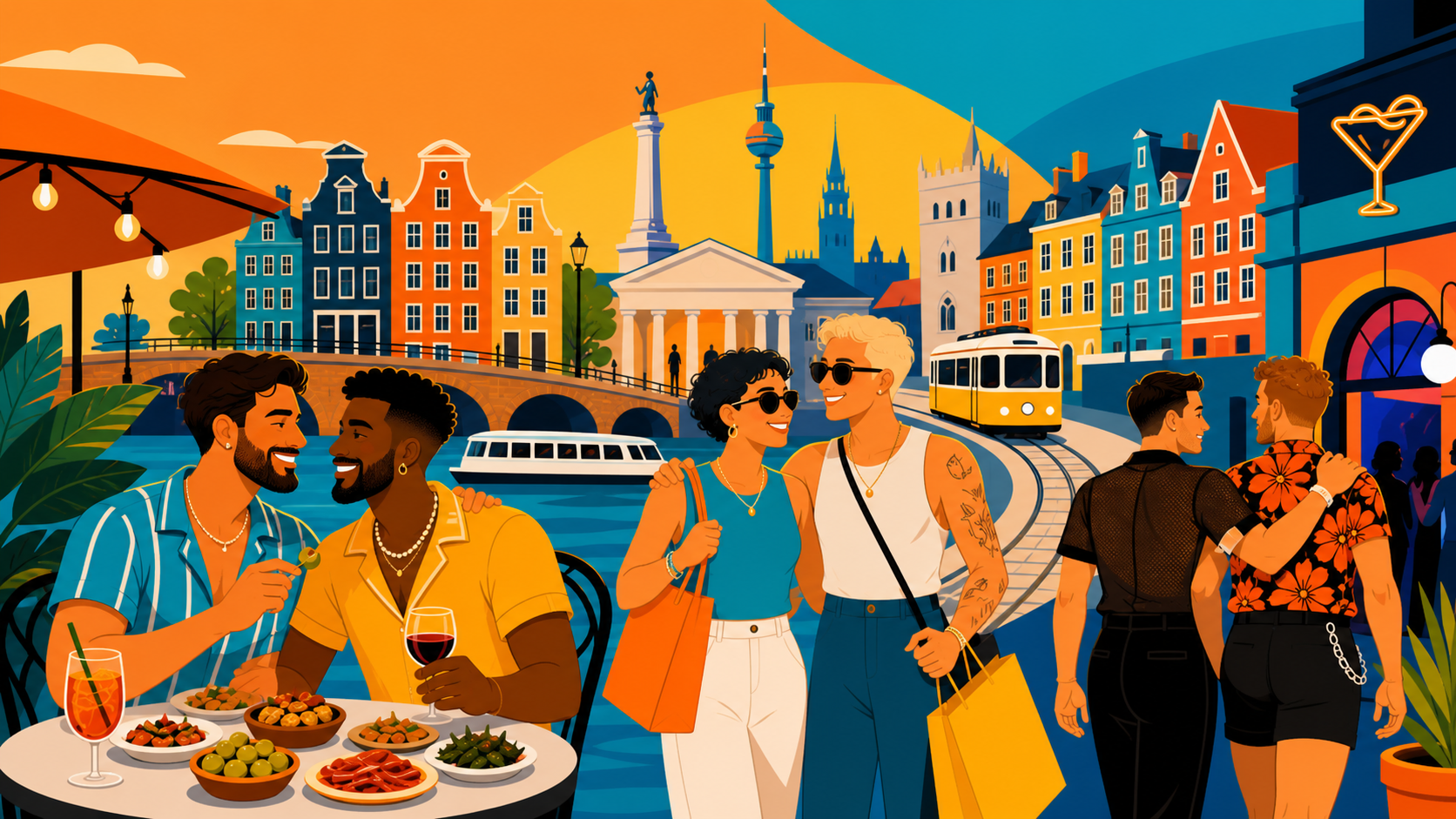

The Best Winter Hiking Trails for LGBT+ Travellers
The Best Winter Hiking Trails for LGBT+ Travellers
The Best Winter Hiking Trails for LGBT+ Travellers
Winter brings a different kind of magic to the outdoors. Snow softens the landscape. Trails feel quieter. The pace slows down. For many LGBT+ travellers, winter hiking also brings something else: space to breathe, move, and feel fully themselves.
Hiking for Gay Travellers is not about pushing limits for the sake of it. It’s about choosing places where nature feels open and people do too. Winter hiking can be deeply grounding when you know you’re welcome, protected, and free to enjoy the experience without second-guessing who you are.
Across Europe and beyond, there are winter trails that combine dramatic scenery with genuine inclusivity. These destinations offer strong legal protections, visible LGBT+ communities, and a culture that respects diversity. That matters even more when you’re heading into remote landscapes or travelling outside peak seasons.
This guide focuses on winter hiking routes that feel empowering rather than isolating. Every destination has been chosen with safety, comfort, and atmosphere in mind. You’ll find snowy forests, frozen lochs, alpine paths, and crisp coastal air — all in places where LGBT+ travellers can relax and enjoy the journey.
Winter hiking does require planning. Weather changes fast. Daylight is shorter. Trails demand respect. Yet with the right destination and local support, it can be one of the most rewarding ways to explore a country. If you’re interested in how inclusivity shapes outdoor experiences year-round, our guide to LGBTQ+ friendly hiking trails around the world offers a broader look at destinations where acceptance is part of the journey.
So where should you go first if winter hiking is calling?
Let’s start close to home.
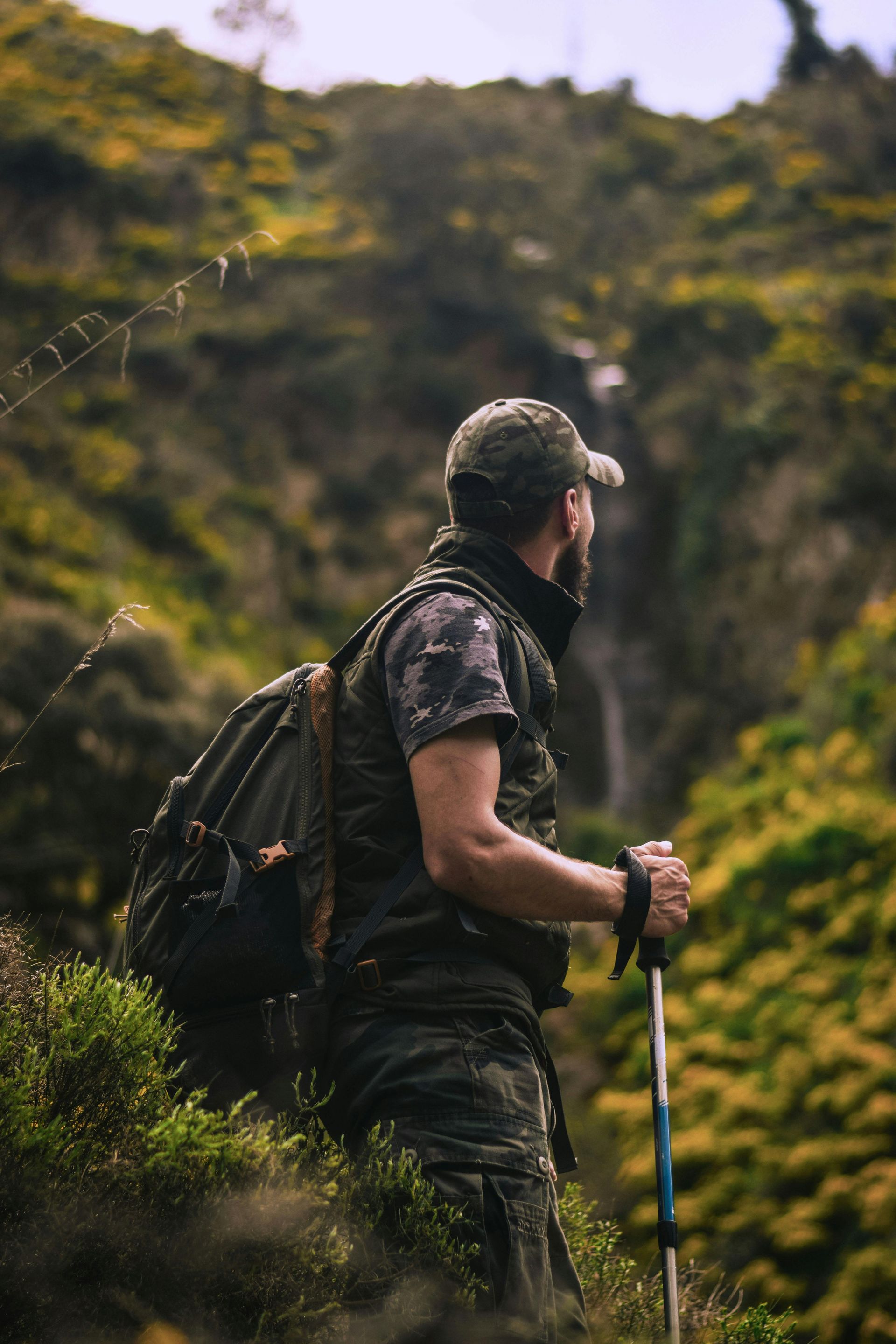
1: The Scottish Highlands, Scotland
Why the Scottish Highlands work so well in winter
The Scottish Highlands are made for winter walking. Snow transforms the mountains into something quieter and more dramatic. Forest paths crunch underfoot. The air feels sharp and clean.
Scotland is one of the most LGBT+ inclusive countries in Europe. Same-sex relationships are fully legal. Equality laws are strong. Visibility is high, especially in cities and well-travelled regions. Even in rural areas, visitors are generally treated with warmth and respect.
That sense of ease matters. Winter hiking often means staying in smaller lodges, village inns, or countryside hotels. Knowing you can be yourself without hesitation makes the whole experience more enjoyable.
The Highlands also offer flexibility. You don’t need to be a mountaineer. There are routes for confident hikers and gentler trails for those who prefer steady walks with big views.
Stand-out winter hiking areas
Glencoe
Glencoe is iconic for a reason. In winter, its valleys and peaks look almost cinematic. Snow settles on the ridgelines. Waterfalls freeze mid-flow. Popular lower-level trails remain accessible even when higher routes are best left to experts.
For LGBT+ travellers, Glencoe feels calm rather than remote. It’s well-visited, well-signed, and used to welcoming international guests year-round.
Cairngorms National Park
The Cairngorms offer wide open landscapes and well-maintained winter paths. Forest routes around Loch Morlich and Aviemore are ideal for shorter winter hikes. Snowshoeing is also popular here.
Aviemore itself is used to outdoor travellers of all kinds. Accommodation options are modern, friendly, and inclusive. You’re unlikely to feel out of place, even in the quieter months.
Loch Lomond & The Trossachs (southern edge of the Highlands)
If you want Highland scenery without committing to deeper winter conditions, this area works beautifully. Lower altitude trails stay accessible. Snow adds atmosphere without overwhelming the routes.
It’s also closer to Glasgow, which gives extra reassurance for travellers who prefer easy access and flexible plans.
How gay-friendly are the Scottish Highlands?
Scotland consistently ranks as one of the most LGBT+ friendly destinations in Europe. In the Highlands, that translates into relaxed hospitality rather than nightlife or overt scenes.
You’re unlikely to find rainbow-flag-lined villages. What you will find is quiet acceptance. Staff in hotels, cafés, and lodges tend to be professional, open, and used to diverse travellers.
Winter hiking here feels safe, calm, and welcoming. Many LGBT+ travellers appreciate that balance — visibility without spectacle, comfort without compromise.
Winter hiking tips for the Highlands
Winter conditions can change quickly. Stick to marked trails unless you have proper experience. Check local weather reports daily. Start hikes early to make the most of daylight.
Guided winter walks are an excellent option if you want extra reassurance. They also allow you to enjoy the scenery without worrying about navigation or conditions.
This is a destination where support matters. With the right planning, winter hiking in the Highlands feels empowering rather than intimidating.
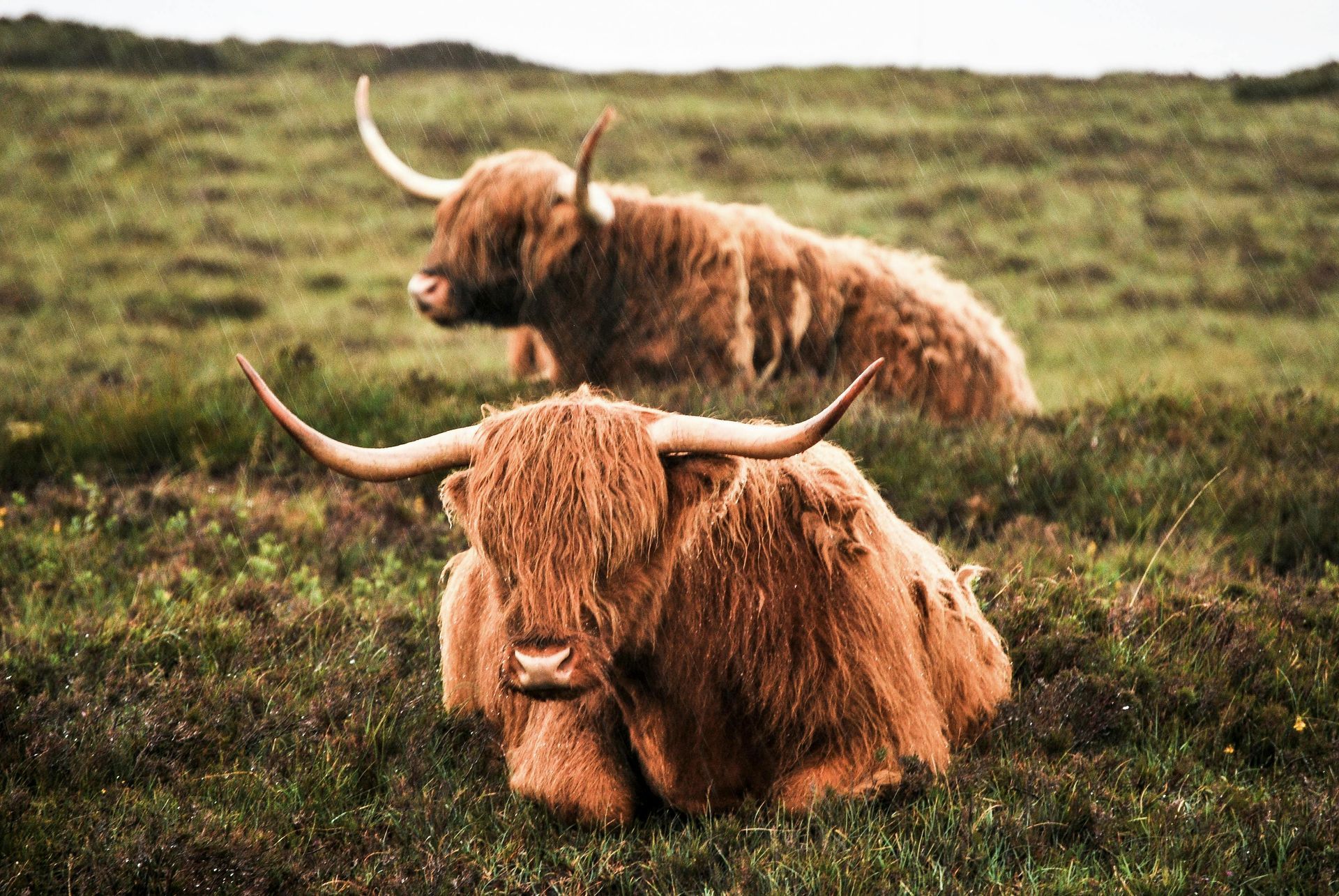
2: The Swiss Alps, Switzerland
Why the Swiss Alps shine in winter
The Swiss Alps deliver one of Europe’s most polished winter hiking experiences. Trails are well-maintained. Transport runs on time. Safety standards are high.
For LGBT+ travellers, Switzerland offers legal protection, social acceptance, and a strong sense of personal privacy. Same-sex relationships are recognised nationwide. Discrimination laws are enforced. That creates a calm travel environment, even in quieter mountain regions.
Winter hiking here feels structured rather than wild. Paths are clearly marked. Winter walking routes are separate from ski pistes. That makes the Alps ideal if you want snow-covered scenery without unpredictable terrain.
This is Hiking for Gay Travellers at its most comfortable. You still get drama and scale, but without unnecessary stress.
Best winter hiking regions in the Swiss Alps
Zermatt
Zermatt sits beneath the Matterhorn and offers some of the most scenic winter walking trails in Europe. Lower-altitude routes remain accessible throughout winter. Views stretch across glaciers and alpine villages.
The town itself is car-free, international, and welcoming. LGBT+ travellers blend in easily. Accommodation standards are high, and staff are accustomed to diverse guests.
Engadin Valley (St. Moritz region)
The Engadin combines frozen lakes, pine forests, and wide winter trails. Many routes are groomed specifically for winter walking. This makes them ideal if you prefer firm paths over deep snow.
St. Moritz has a discreet but established LGBT+ presence. It’s stylish, safe, and relaxed. Winter hiking here feels elegant rather than rugged.
Mürren and Wengen
These traffic-free alpine villages offer quieter winter hiking routes with dramatic cliffside views. Trails link villages and viewpoints without requiring technical skill.
The atmosphere is peaceful and inclusive. You’re there to walk, breathe, and enjoy the silence.
How gay-friendly are the Swiss Alps?
Switzerland is quietly inclusive. You won’t see overt Pride branding in alpine villages, but you also won’t feel judged. Personal freedom is respected. Privacy is valued.
For many gay travellers, that balance feels reassuring. Winter hiking already strips travel back to basics. Being able to relax into that simplicity matters.
If you’re travelling as a couple, public affection tends to be met with indifference rather than attention. That neutrality often feels liberating in remote settings.
Winter hiking tips for Switzerland
Stick to designated winter walking routes. These are clearly signposted and updated daily. Use cable cars strategically to gain elevation safely.
Guided snow walks are widely available. They’re ideal if you want insight into the landscape while keeping things easy.
Switzerland proves that winter hiking can feel polished, inclusive, and deeply rewarding.
3: Banff National Park, Canada
Why Banff works so well for LGBT+ winter hikers
Banff National Park offers vast winter scenery paired with strong social progressiveness. Canada is one of the most LGBT+ friendly countries in the world. Legal protections are comprehensive. Acceptance is mainstream. For travellers planning winter routes in Canada, our guide to LGBT+ friendly hiking trails in North America explores how safety, scenery, and community come together on the trail.
That combination matters in winter. Hiking in snowy national parks can feel isolating if you’re unsure about the culture. In Banff, visitors tend to feel welcomed rather than scrutinised.
The landscapes here feel cinematic. Frozen lakes glow turquoise beneath snow. Mountain peaks frame every trail. Wildlife tracks cross the paths.
For Hiking for Gay Travellers, Banff offers both scale and safety.
Top winter hiking trails in Banff
Johnston Canyon
This is one of Banff’s most popular winter hikes, and for good reason. The trail is well-maintained and accessible. Frozen waterfalls line the route. Walkways make icy sections manageable.
It’s busy enough to feel safe but never overwhelming. That balance appeals to many LGBT+ travellers hiking in winter conditions.
Lake Louise Lakeshore Trail
In winter, Lake Louise freezes into a wide white expanse framed by dramatic peaks. The lakeshore trail remains walkable and offers incredible photo opportunities.
The nearby village has inclusive accommodation options and an international crowd. You’re unlikely to stand out.
Fenland Trail (Banff town)
If conditions are harsh, this flat forest loop near Banff town is perfect. It’s quiet, sheltered, and ideal for acclimatising to winter walking.
Sometimes, gentler routes offer the most reflective moments.
How gay-friendly is Banff National Park?
Canada’s national parks operate within a culture of respect and equality. Banff town is small but welcoming. Staff in hotels, cafés, and tour companies are used to diverse travellers.
You won’t find a distinct gay scene in Banff itself. What you will find is comfort, safety, and acceptance. For winter hiking, that often matters more than nightlife.
Travelling as an LGBT+ couple feels straightforward. Most visitors are focused on nature rather than other people.
Winter hiking tips for Banff
Temperatures can drop quickly. Layers are essential. Trails are often packed snow rather than ice, making traction aids useful.
Local rangers provide daily updates. Always check conditions before heading out. Guided winter hikes are an excellent option if you want reassurance.
Banff delivers winter hiking that feels expansive, inclusive, and unforgettable.
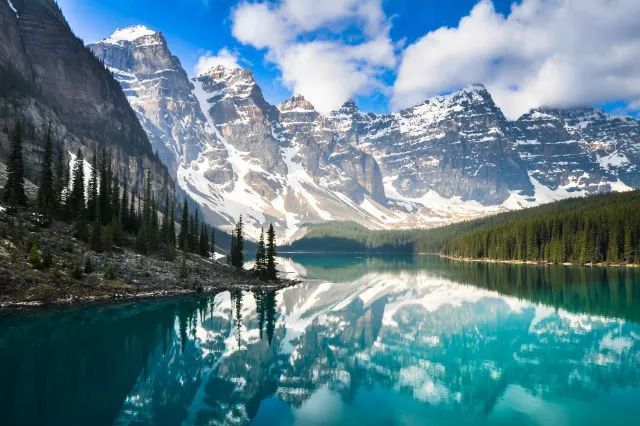
4: Iceland, around Reykjavík and the Golden Circle
Iceland feels like it was built for winter walking. The light is soft. The landscapes are bold. Even short trails feel like a proper adventure.
It’s also one of the most LGBT+ inclusive countries you can choose. That matters when the weather turns and you’re relying on locals, guides, and small hotels. You want calm support, not awkward questions.
If you’re new to winter trails, Iceland is a smart first step. It offers big scenery with manageable distances. So, you can focus on the joy of it.
Great winter hikes in Iceland that suit most abilities
Þingvellir National Park
Þingvellir is perfect when you want winter atmosphere without long exposure. Paths are easy to follow, and viewpoints come quickly.
Snow tends to gather in the rocky gaps and along the lake edge. The scenery feels raw and dramatic. Yet the walking remains steady.
You can pair a short hike here with warm pools later. That balance is very Iceland, and it works.
Wide Awake tip: Add a guided day that mixes walking with local food stops. It keeps the day easy and still feels special.
Offer link line: If Iceland winter hiking is on your list, ask us about a tailored Reykjavík base with guided trail days.
Sólheimajökull and glacier-edge walks
Some winter “hikes” in Iceland work best with a guide, and glacier edges are a good example. You get a winter walking feel, plus the thrill of ice formations.
This is a great choice if you want a wow moment without technical planning. Guides manage the safety side. You enjoy the experience.
It’s also brilliant for couples. You’re doing something memorable together.
How gay-friendly is Iceland?
Iceland is visibly inclusive and relaxed. You can be yourselves without thinking twice.
In Reykjavík, LGBT+ visibility is clear. In rural areas, people are usually friendly and practical. They’re used to travellers coming for nature.
For Hiking for Gay Travellers, Iceland is a confidence builder. It feels open, safe, and straightforward.
Winter hiking tips for Iceland
Wind can be the real challenge here. It bites harder than the temperature suggests. So, pack for wind first.
Keep your plans flexible. If a storm rolls in, switch to shorter trails. You’ll still get the winter magic.
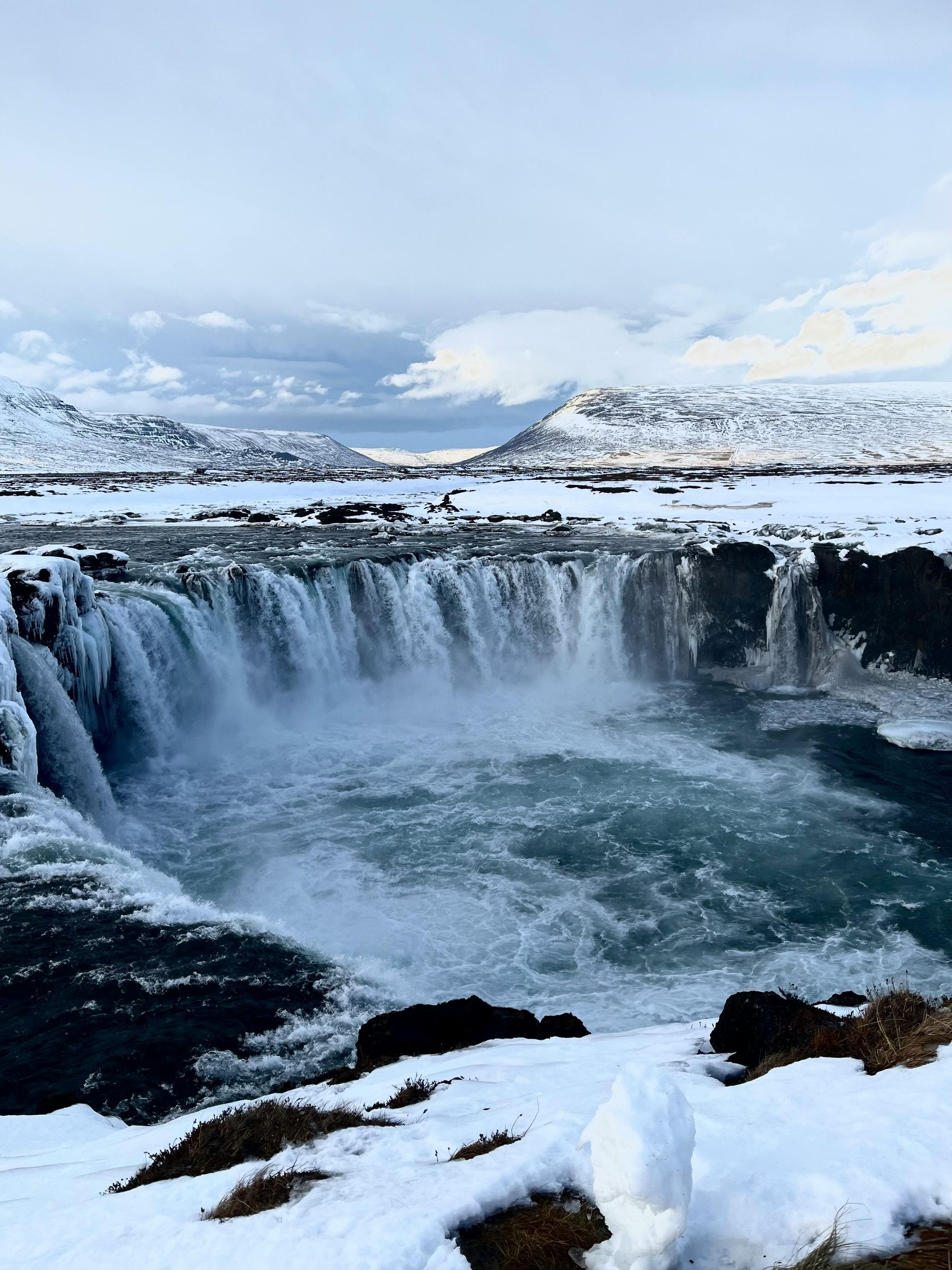
5: Northern Norway, based around Tromsø and the fjords
Northern Norway offers winter hiking with a thrilling edge. Think snowshoe trails, sea views, and sharp mountain lines.
Tromsø is a strong base because it’s a student city and a travel hub. That means it feels open-minded and international. It also gives you quick access to trails without feeling stranded.
This destination is best if you like winter energy. The air feels electric. The scenery feels endless.
Winter hikes and snow walks near Tromsø
Fjord-view snowshoe routes
Snowshoe walks are ideal here because they turn deep snow into easy progress. You get the winter landscape without fighting every step.
Many routes start close to town. Then, they open out into wide viewpoints above the water. It’s stunning on clear days.
Even better, a guided snowshoe day can feel social. That suits solo travellers as well as couples.
Offer link line: Want Norway without the stress? Ask us about a Tromsø winter break with guided snowshoe days.
Cable car viewpoints and short ridge walks
Sometimes the best winter plan is a short hike with a big payoff. Tromsø’s cable car area is great for that.
You can get altitude quickly. Then, you can choose a short loop based on conditions. It’s winter hiking with an easy reset button.
That’s very useful when daylight is short.
How gay-friendly is Northern Norway?
Norway is a strong choice for LGBT+ travellers. It’s legally supportive and socially accepting.
In Tromsø, the vibe is relaxed. People are there for the outdoors, the northern lights, and the winter season. You can be yourself without drawing attention.
In smaller fjord areas, things are quieter but still respectful. You’ll usually get warm, straightforward hospitality.
For Hiking for Gay Travellers, Northern Norway offers freedom. It feels safe. It feels spacious.
Winter hiking tips for Northern Norway
Daylight can be limited mid-winter, so start early. Choose routes with clear turn-around points.
Also, prioritise guided options if you’re unsure. Snow conditions change fast, and local knowledge helps.
Bring good gloves. You’ll thank yourself later.
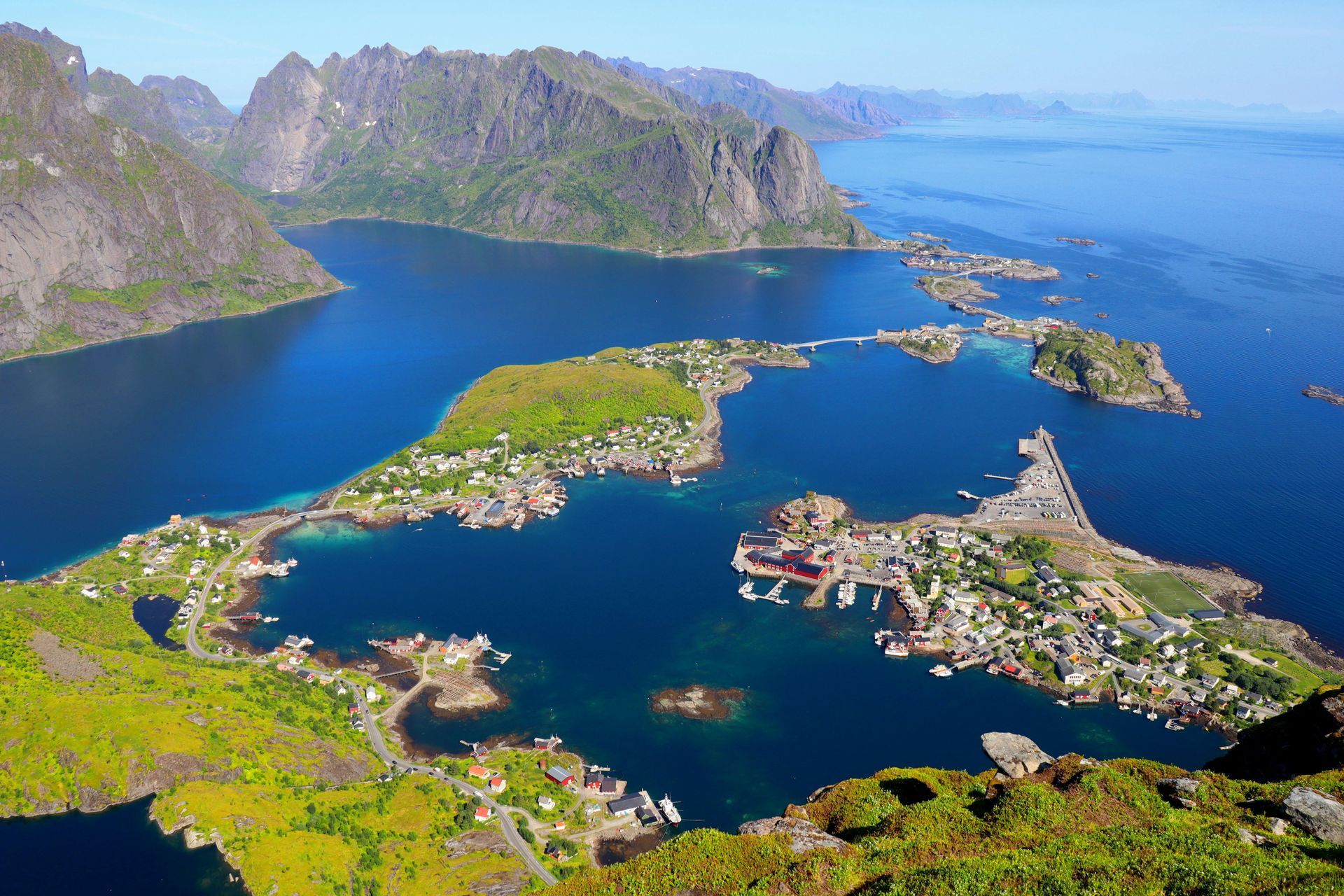
Winter Hiking Safety + Packing (for LGBT+ Travellers)
Winter opens a more soulful side of the outdoors. But it also demands respect. Harsh weather, short daylight, and cold temperatures mean you need a plan that keeps you comfortable and confident on the trail. If winter conditions make you think more carefully about preparation, our practical guide to staying safe while travelling as an LGBT+ person explains how to balance confidence with caution.
This section gives clear, usable advice for Hiking for Gay Travellers. It means you can focus on the experience — not the stress.
Be honest about conditions
Winter trails are different from summer paths. Snow, ice, and wind change the feel of every route. Even well-marked paths can be harder to follow.
Before you head out:
- Check the local weather forecast today and tomorrow.
- Look at trail reports for snow levels and closures.
- Consider how firm or icy the terrain feels.
Being realistic about conditions lets you choose routes that match your energy and confidence.
Layering is essential — start from the inside out
Think of clothing as a system rather than a single outfit.
Base layer
This touches your skin and should wick moisture away. Moisture kills heat fast in winter, so avoid cotton next to your body.
Middle layer
Insulating layers trap warmth. Fleece or down work well here. You want warmth without bulk.
Outer layer
Wind and snow both steal heat. A good waterproof, breathable shell makes ALL the difference.
Footwear and traction
Winter hiking means thinking about grip and stability.
- Waterproof boots with firm tread are best.
- Microspikes, crampons, or snowshoes depend on conditions.
- Ice can linger even on well-packed trails.
If you’re unsure which to choose, ask a local guide or hiking outfitter near your start point.
Hydration and snacks
Cold weather tricks your body. You may not feel thirsty — but you still need to hydrate.
- Bring a thermos with warm drinks.
- Pack snacks with salt and calories: nuts, energy bars, jerky.
Keep snacks accessible so you can refuel without stopping for too long in cold air.
Navigation matters
Winter landscapes can feel quiet — too quiet — until you realise you’re off-track.
- Use a trail map + compass (and know how to use them).
- Use GPS apps with offline maps as a backup.
- Pay attention to landmarks. Snow masks small signs.
Know your turnaround time
Shorter daylight means you need a clear plan for when to turn back. Decide your latest safe return time before you start.
This removes guesswork and lets you enjoy the trail without worry.
Hiking with others or with guides
If this is your first winter hike in a given region, consider:
- Joining a guided hike
- Hiking with local groups
- Staying in a base where winter walking is common
Guides know the trails, the weather quirks, and the safest routes. That means you spend more time enjoying the view.
Mental safety — be real with your comfort level
Winter hikes can feel introspective and wonderful. They can also feel exposed and stark.
That’s normal. Pick trails that feel like you:
- Gentle loops if you want rhythm
- Forest trails if you want shelter
- Wide plateau views if you want space
The right route means confidence grows with every step.
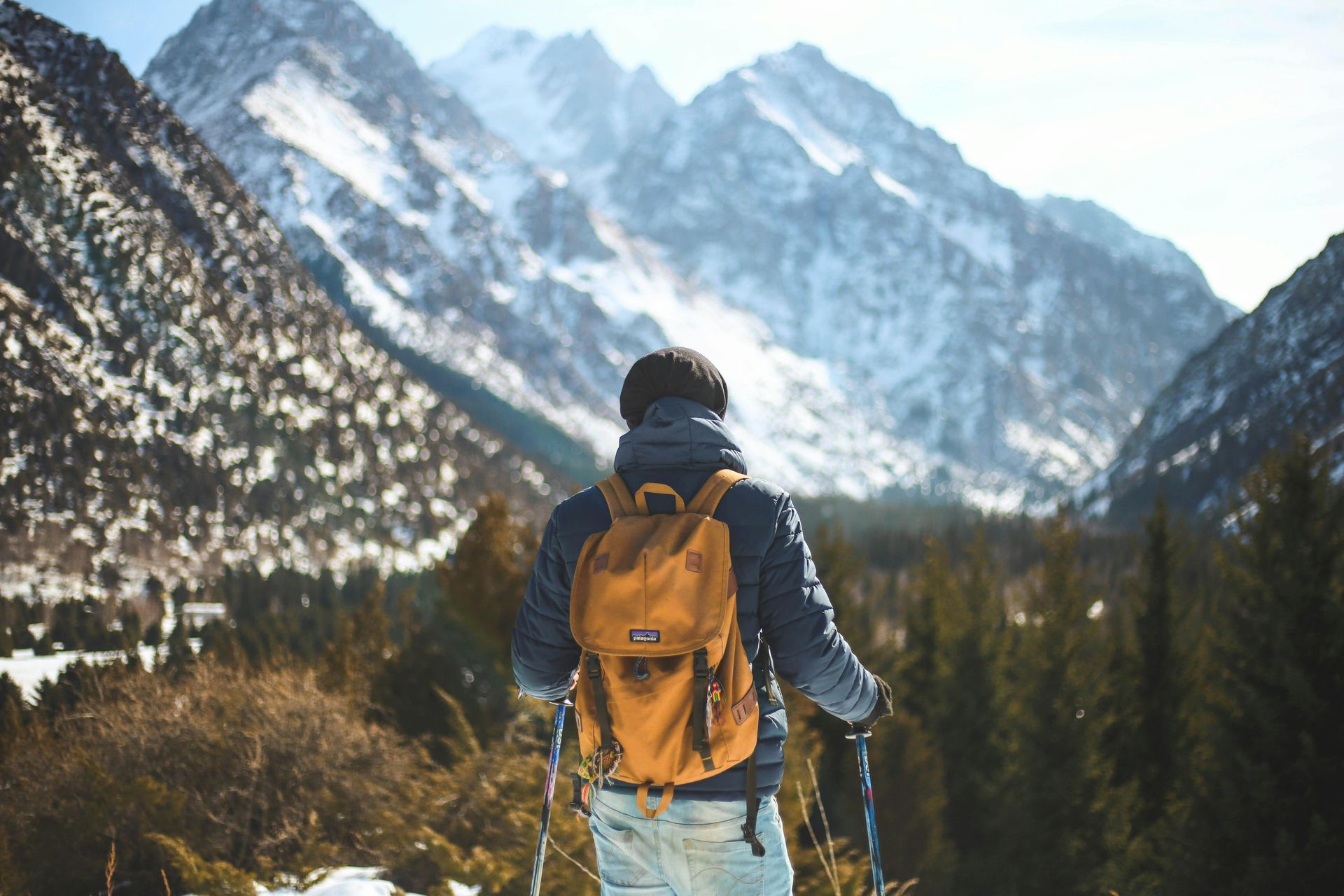
Jamie Says:
"Winter hiking is one of the best ways to reset your head.
You don’t need to be extreme. You just need the right place, the right pace, and a plan that keeps you safe.”
Booking Protections for LGBT+ Travellers
Travel is better when you feel secure. Planned well, winter hiking turns into a highlight you’ll remember fondly rather than a stress you had to manage. Organisations like ILGA World provide up-to-date insights into global LGBT+ rights, which can be useful when choosing destinations for winter hiking trips.
Here’s how to make sure your booking experience matches the quality of the trip you’re imagining.
Choose straightforward, transparent offers
Look for providers who:
- Share clear inclusions
- Give honest transfer and transport details
- Describe accommodation exactly
- Explain guides and minimum group sizes
The more transparent the package, the easier it is to prepare.
Communications matter
Language that feels supportive and responsive usually reflects real service quality.
Ask questions like:
- What’s the emergency contact protocol?
- How do you handle late-season snow closures?
- What local contacts do we have if plans change?
Your operator should answer promptly and clearly.
Know what’s refundable and what’s not
Winter weather sometimes shifts plans. A good provider:
- Offers clarity on refunds
- Explains how changes are handled
- Helps rebook if snow forces alternate plans
That gives you peace of mind.
Local partnerships make a difference
Providers who work with local guides, transport, and hotels know the terrain and the culture.
You benefit from:
- Better trail advice
- Responsive support if weather changes
- Staff who know the region intimately
This matters more in winter than in summer.
Keep copies of confirmations
Save PDF copies of:
- Reservations
- Trail meeting instructions
- Guide contact numbers
That reduces stress when phone reception is spotty.
Take advantage of packing lists and pre-trip info
Good operators share:
- Detailed packing suggestions
- Local weather tips
- Best day schedules
This keeps you confident and prepared.
With these safety and booking planning tips, you’re setting yourself up for winter hiking that feels calm, safe, and centred on enjoyment. For readers new to adventure travel, our overview of
gay adventure holidays shows how hiking fits into a wider picture of inclusive, experience-led travel.
Where Winter Trails Meet Confidence and Freedom
Winter hiking strips travel back to its essentials. You walk. You breathe. You notice the world more clearly.
For LGBT+ travellers, choosing the right destination makes all the difference. When you know you’re welcome, winter trails feel calming rather than intimidating. The experience becomes about connection — to nature, to yourself, or to the person you’re travelling with. If you like the idea of pairing crisp winter walks with slower outdoor time, our feature on LGBT+ nature escapes from mountains to beaches is a great next read.
Hiking for Gay Travellers isn’t about extremes. It’s about confidence, comfort, and choosing places that respect who you are.
If winter hiking has been sitting quietly on your wish list, this could be the year to take that step. With thoughtful planning and the right support, it can become one of your most memorable travel experiences.
When you’re ready to explore options that fit your pace and priorities, we’re here to help.
📧
reservations@wideawakeholidays.co.uk
🌐www.wideawakeholidays.co.uk
📞
01495 400947
Frequently Asked Questions
1. Is winter hiking safe for LGBT+ travellers?
Yes, when you choose destinations with strong legal protections and social acceptance. Countries like Scotland, Switzerland, Canada, Iceland, and Norway are excellent choices. Planning, local advice, and realistic routes make winter hiking both safe and rewarding.
2. Do I need advanced hiking skills for winter trails?
Not always. Many winter trails are designed for steady walking rather than technical climbing. Forest paths, lakeside loops, and guided snowshoe routes are ideal if you want winter scenery without high risk.
3. What’s the best country for first-time winter hiking?
Scotland and Iceland are strong starting points. Both offer dramatic winter landscapes, shorter routes, and excellent infrastructure. They also feel socially relaxed and welcoming for LGBT+ travellers.
4. Can gay couples hike together comfortably in winter destinations?
Yes. In the destinations featured here, same-sex couples generally feel at ease. Public attitudes tend to be neutral or supportive, especially in outdoor regions focused on tourism and nature.
5. Is guided winter hiking better than self-guided?
Guided hiking is often a great choice in winter. It removes stress around navigation and weather changes. Many LGBT+ travellers prefer guided options for reassurance, especially in snowy or remote areas.
6. What should I pack for winter hiking?
Focus on layers, waterproof boots, traction aids, gloves, and a warm hat. A thermos, high-energy snacks, and a reliable outer shell are essential. Local guides often provide detailed packing advice.
7. Are winter hiking trails crowded?
Usually not. Winter trails are quieter than summer routes, which many gay travellers enjoy. Popular areas still have enough foot traffic to feel safe without feeling busy.
8. Can solo LGBT+ travellers enjoy winter hiking?
Absolutely. Solo winter hiking works well when you choose well-marked routes or guided walks. Many destinations also offer small group excursions that feel social without pressure.
9. How cold is too cold for winter hiking?
That depends on preparation. With proper clothing, many people hike comfortably well below freezing. Wind and exposure matter more than temperature alone.
10. Why is winter hiking appealing for gay travellers specifically?
Winter hiking often feels reflective and grounding. It offers space away from crowds and expectations. For many LGBT+ travellers, it’s a chance to move freely and feel present without performance.
Some of our Latest Offers
Discover our latest hand-picked travel offers below – automatically updated and inspired by the destinations featured in this blog.