
LGBT+ Travel Myths: Debunking Common Misunderstandings
LGBT+ Travel Myths: Debunking Common Misunderstandings
Intro & Myth-Busting Start
Debunking the Biggest LGBT Travel Myths — Yes, the World Is Often Safer Than You Think
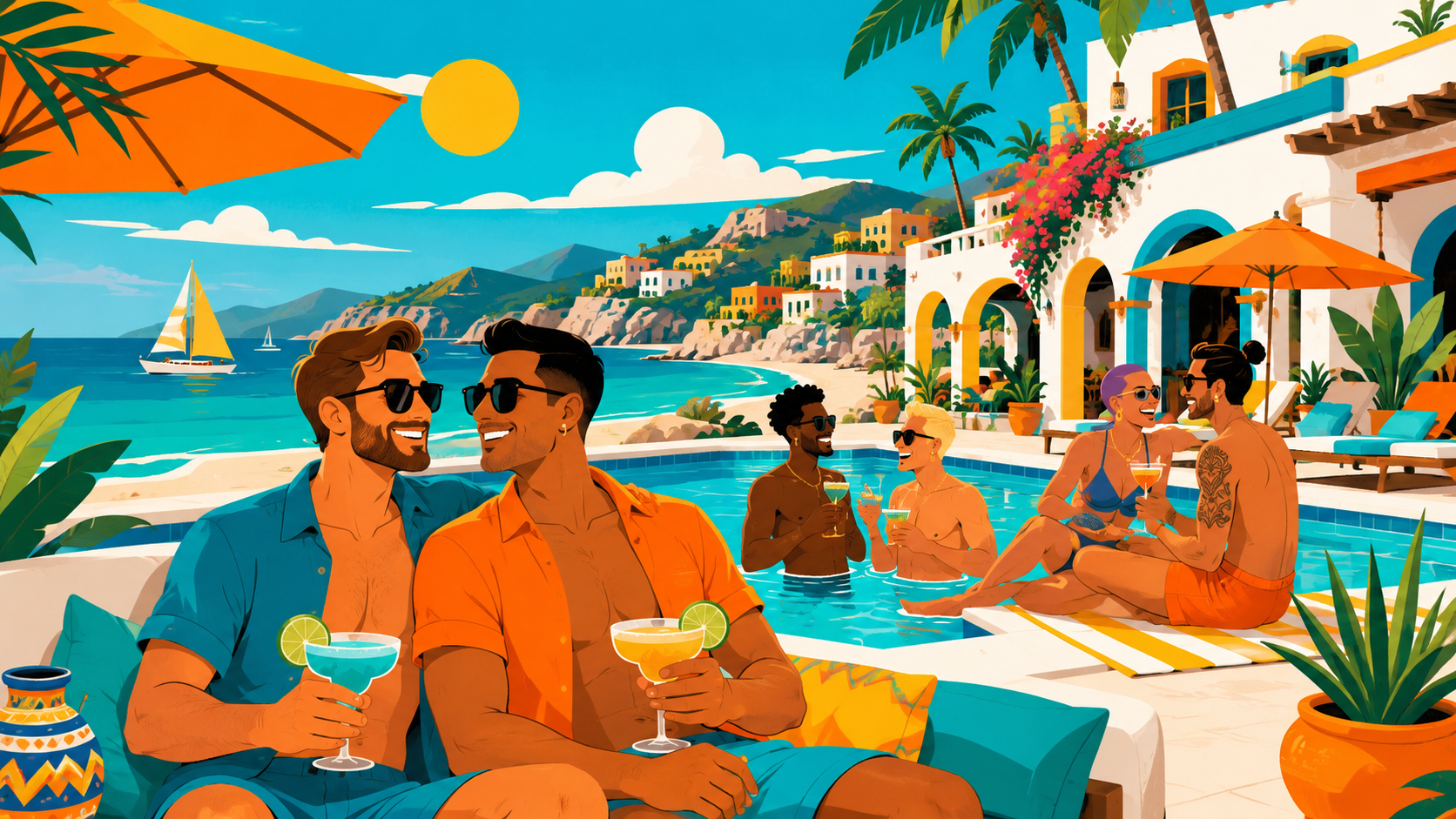
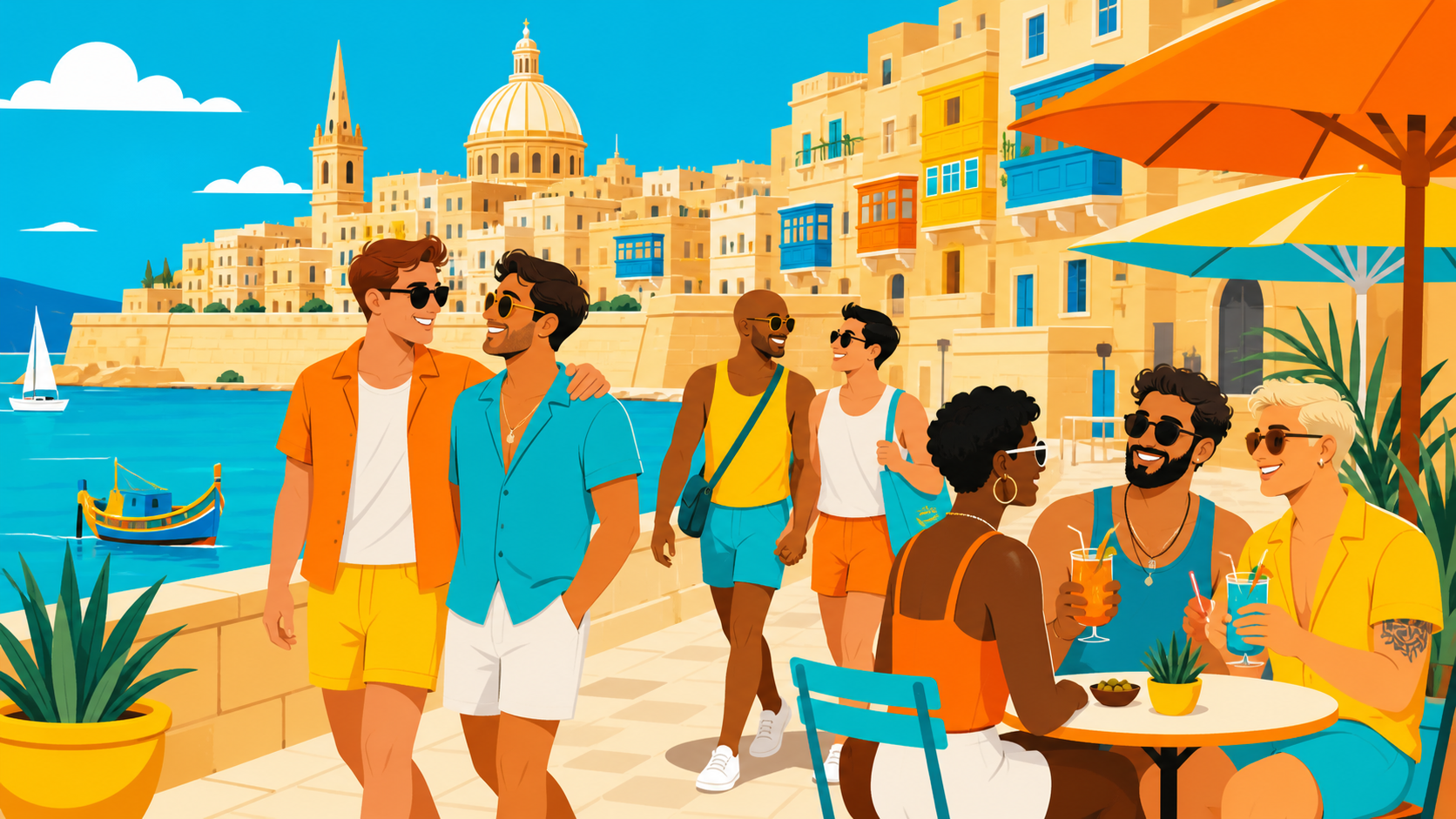
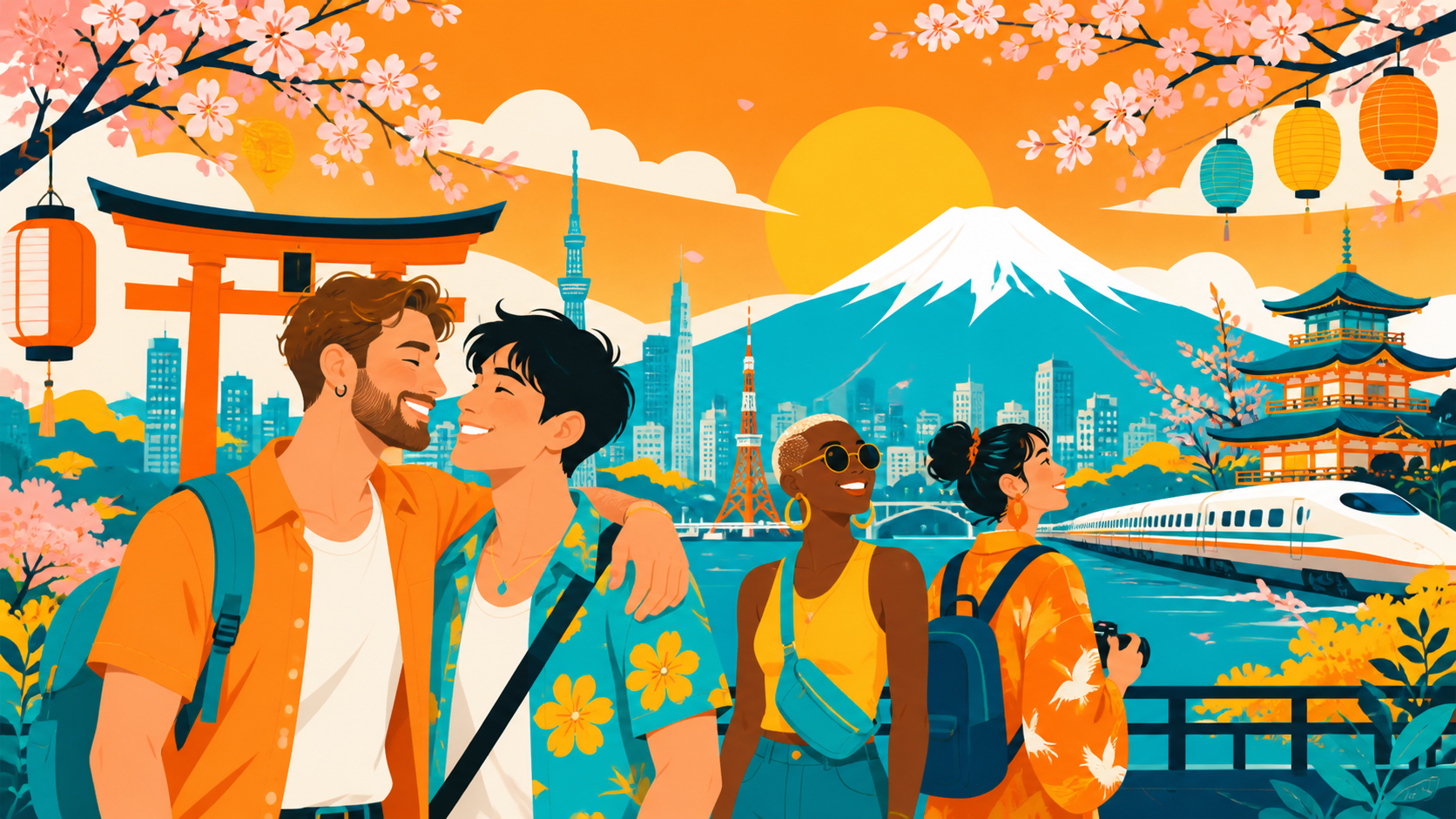
Travelling as a queer person should feel like freedom — not fear. But too often people hold onto old stories about what it means to travel as LGBT. That is why we’re diving into LGBT Travel Myths and shining a light on why many of them simply don’t hold up.
Whether you are dreaming of a beach escape, a city break or a backpacking adventure — you deserve a trip where you feel safe and valued. And often, you can.
Here we challenge common myths and offer a clearer picture. Because assumptions shouldn’t limit your adventure.
Why These Myths Persist
Many myths about LGBT travel come from a mix of outdated media stories, personal anecdotes, and a lack of up-to-date local knowledge. People may only hear about negative incidents—or only visit certain “gay-friendly” hotspots.
Sometimes these myths are built from national-level law or policy — but laws don’t always reflect local reality. A country may have strict laws, yet still have pockets of acceptance, friendly locals, or thriving underground queer scenes. Others remain stubbornly caught up in old stereotypes about who queer travellers are, how they act, or where they belong.
That’s why blanket assumptions rarely help. Instead, understanding specific destinations — down to cities or neighbourhoods — matters far more. For up-to-date global insights on LGBT rights, the annual ILGA World report offers verified data that helps travellers see beyond outdated assumptions.
Myth #1 — “You Must Only Visit ‘Gay-Friendly’ or ‘Safe’ Countries”
Some people believe that as soon as a country has conservative laws or a history of discrimination, it’s automatically off-limits for LGBT travellers.
Reality check: While laws matter, they don’t always tell the full story. Many destinations have welcoming queer communities, supportive locals, and safe spaces — even if the country appears unfriendly on paper. For instance, some blogs report friendly queer social scenes in unlikely places that felt “more gay-friendly than expected.”
Moreover, avoidance of entire countries means missing out on travel and connections that could foster understanding. Travel can also support local LGBTQ+ communities, even where it feels risky.
Myth #2 — “Solo LGBT Travel Is Too Dangerous”
Some assume that travelling alone as a queer person automatically means high risk.
Reality check: Solo LGBT travellers around the world regularly travel safely — especially when they research before going and plan carefully. Solo travel can even be empowering, offering freedom to explore and meet new people.
Yes — extra awareness helps. Being mindful about local laws, social norms, and safety practices is wise. But fear alone shouldn’t stop you. Many solo queer travellers find genuine connection, spontaneous friendships, and memorable experiences abroad.

Myth #3 — “LGBT Travellers Always Stand Out”
Some people worry they’ll be recognised as queer the moment they step off the plane.
This myth often stops people booking trips they would genuinely love.
Reality check: Most travellers blend into the crowd far more than they expect.
Every major city welcomes millions of visitors a year. Locals are used to diverse clothing, accents, and behaviours. Unless you’re making a public political statement or attending a Pride march in a conservative country, most people simply assume you’re another holiday-maker.
Yes, it’s wise to be aware of public conduct rules. But the idea that strangers instantly “know” your identity is one of the most limiting LGBT Travel Myths out there. You have more freedom than the internet sometimes suggests. Many first-time travellers also worry about navigating destinations alone, so our guide on LGBT+ solo travel offers extra reassurance.
Myth #4 — “You Must Hide Your Identity When You Travel”
This belief is rooted in fear — often passed down from older generations or from negative headlines.
Reality check: Identity expression exists on a spectrum, and how openly you travel is your choice.
Many LGBT travellers enjoy holidays without hiding anything. Others adjust how they present in specific situations and still feel comfortable. And in many destinations, people don’t react as strongly as travellers fear.
Even in countries where same-sex relationships are not legally recognised, the day-to-day social experience can be more relaxed than expected. People may not comment, stare, or even notice. That’s why relying only on legal overviews can paint an incomplete picture.
The best approach? Make informed decisions and travel in ways that feel right for you.
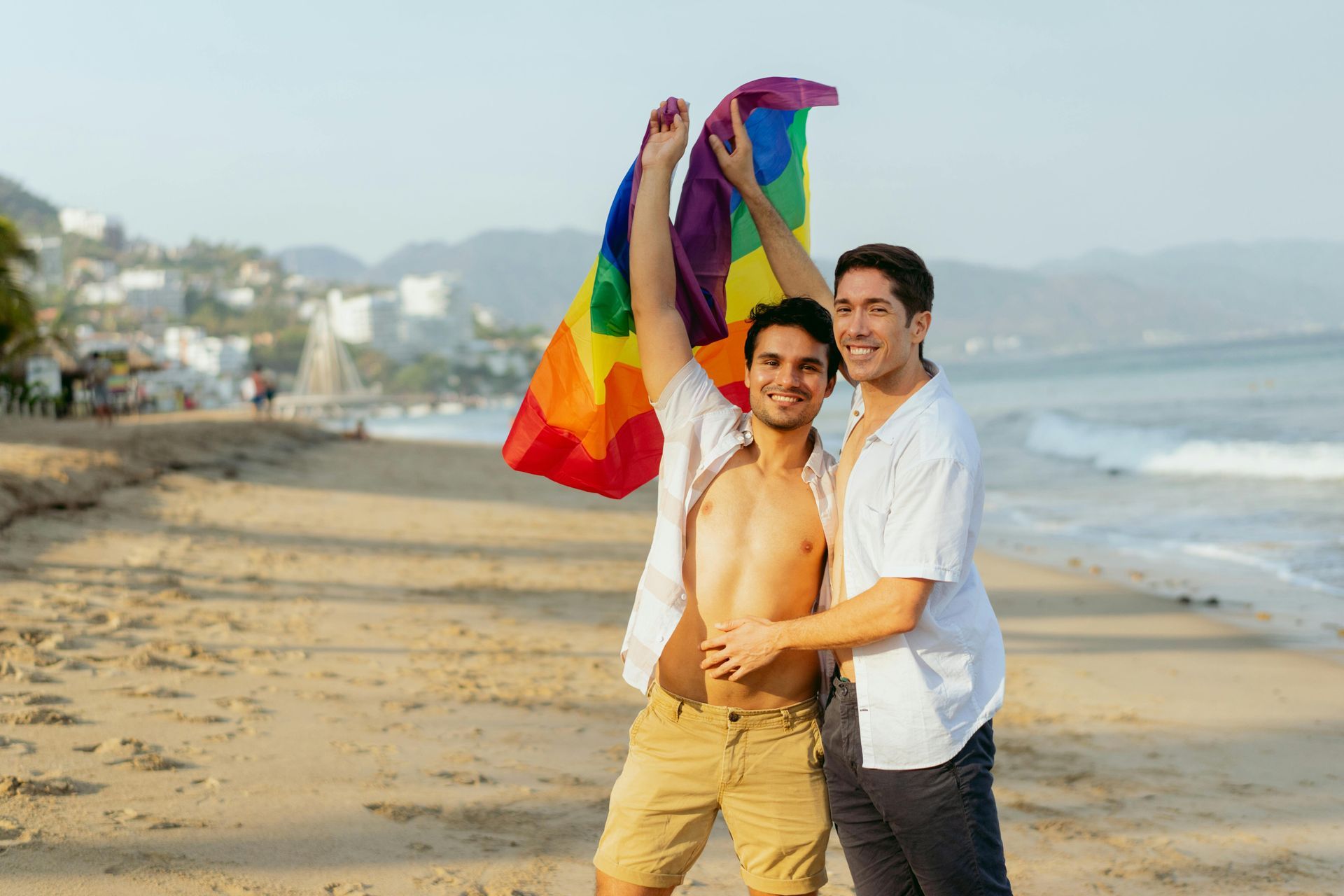
Myth #5 — “Hotels Don’t Welcome LGBT Couples”
A lot of travellers still believe they need to explain themselves when checking into a hotel, especially when booking a double bed.
Reality check: Hospitality brands worldwide increasingly train staff to welcome queer guests without fuss. Many mainstream hotels openly support diversity.
Plenty of LGBT travellers check into standard resorts, boutique hotels, guesthouses, and villas without a single awkward question.
Yes, mistakes still happen — but assumptions that hotels are unfriendly create unnecessary stress. Working with LGBT-specialist travel planners helps avoid surprises. We match travellers with properties that are welcoming, warm, and stress-free, so you can relax from the moment you arrive. If you’re curious about how to choose truly inclusive accommodation, our guide on
how to book LGBT-friendly hotels breaks down what to look for before reserving a room.
Myth #6 — “Pride Events Abroad Are Unsafe”
Some travellers believe overseas Pride marches are chaotic or dangerous.
Reality check: Many Pride events worldwide have strong community support, vibrant crowds, and organised security. While some cities face political pressure, others offer celebrations filled with joy, colour, and unity.
It’s always smart to read local updates before attending. But dismissing all overseas Pride events because of isolated incidents keeps travellers from incredible experiences.
After all — Pride looks different in every country. Why not discover how other cultures celebrate queer community?
Myth #7 — “Trans Travellers Face the Same Risks Everywhere”
This myth mixes real concerns with sweeping generalisation. It often paints the entire world as equally hostile.
Reality check: Experiences vary hugely by destination, city, neighbourhood, and situation.
Some places have strong trans communities and supportive services. Others may require small adjustments, such as pre-checking entry requirements or navigating airport security with preparation.
Saying all destinations are equally risky oversimplifies reality and removes choice. A better approach? Choose destinations with safe infrastructure, helpful community networks, and clear rights protections — and travel with support if you want it.

Myth #8 — “You Can’t Show Affection Anywhere Abroad”
This belief often comes from dramatic travel warnings or viral horror stories.
Reality check: Comfort levels vary by destination, but many cities welcome same-sex couples who hold hands, hug, or share a quiet moment.
Public displays of affection are often more about cultural norms than sexual orientation. For example, in some countries even heterosexual couples rarely kiss in public, while in others affection is normal and barely noticed.
The trick is to understand what’s typical for all couples in the place you’re visiting. That way you react to cultural expectations rather than outdated fear.
There’s a big difference between “exercise awareness” and “never show affection”. Most travellers fit comfortably somewhere in the middle.
Myth #9 — “Local People Are Always Hostile Toward LGBT Travellers”
Many people still assume that locals in conservative countries are automatically suspicious or unfriendly towards queer visitors.
Reality check: Locals are usually far more welcoming than travellers expect.
Most communities understand tourism’s value. Hospitality is seen as good manners, not politics. Countless LGBT travellers share stories of being treated warmly even in countries with less-than-perfect legal protections.
People typically judge tourists by behaviour, not identity. Courtesy, openness, patience, and genuine interest go further than many imagine.
Have you ever had someone surprise you with kindness when you expected the opposite?
Myth #10 — “You Must Rely Only on LGBT-Specific Spaces”
Because of old safety warnings, many travellers feel they can only socialise in gay bars, queer cafés, or exclusively LGBT hotels.
Reality check: Queer travellers take part in the same activities as everyone else — exploring food markets, joining day tours, visiting museums, booking mainstream hotels, and relaxing by the pool.
LGBT-exclusive spaces are amazing, but they’re not the only safe option.
The broader travel world is more inclusive than people think. More businesses than ever train teams to be respectful and welcoming. You get to decide whether you want queer-specific comfort, mainstream luxury, or a blend of both.
Choice is power.
Myth #11 — “The World Is Getting Worse for LGBT Travellers”
News cycles often amplify threats. People sometimes feel as if things are going backwards everywhere.
Reality check: Progress isn’t linear, but it’s absolutely happening.
More destinations are introducing anti-discrimination laws, gender recognition processes, and wedding equality. Tourism boards openly promote LGBT travellers. Pride festivals expand every year. International hotel brands adopt inclusion policies as industry standards.
Even where political conditions are challenging, social acceptance among young generations is rising.
It’s important to acknowledge real risks — but equally important to recognise that fear-based generalisations hide the very real progress LGBT travellers benefit from today..

Practical Guidance That Cuts Through the Noise
These next sections move from myth-busting into actionable clarity — giving readers a roadmap so they can travel with confidence and avoid the traps that myths create.
Understanding How to Read Safety Information Without Panic
If you’ve ever looked up a destination and instantly thought “absolutely not”, you’re not alone. Safety pages can look intimidating, especially when they highlight worst-case scenarios.
However, many travellers misunderstand how to use that information.
Here’s the reality:
Safety advice works best when viewed in layers — law, culture, city, neighbourhood, and the type of trip you want. It isn’t meant to scare you away; it’s meant to help you navigate smartly.
Most countries, even conservative ones, have busy tourist areas where visitors of all identities move around freely. When you read destination information through a balanced lens, you gain confidence instead of fear.
Travellers often feel calmer once they understand what applies to ordinary visitors and what applies only to specific situations.
Isn’t it reassuring to know you can filter risk without ruling out entire regions?
Why Research Matters More Than Reputation
A country’s global reputation can be outdated by ten or twenty years. Many LGBT Travel Myths come from stories repeated so often that people forget to question them.
Up-to-date research helps you see:
- Which neighbourhoods feel relaxed
- Where queer nightlife is thriving
- Which hotels have inclusive training
- How local people interact with couples in public
- How common it is to see same-sex travellers
One good evening of planning can reduce anxiety dramatically.
Even better, talking with LGBT-specialist travel planners turns vague concerns into clear, confident choices.
How Social Media Can Confuse People About Risk
Social media is a brilliant tool for finding queer spaces abroad — but it also spreads panic.
A short video can go viral even when it represents an unusual, isolated moment. When people watch enough of these clips, they start forming beliefs that don’t match everyday travel reality.
For example, one dramatic incident can overshadow thousands of uneventful, happy holidays taken by LGBT travellers in the same location. Fear spreads faster than nuance online.
Stepping back and evaluating real trends gives a more realistic picture.
Common Planning Mistakes LGBT Travellers Make
Let’s look at mistakes shaped by long-standing myths — so you can avoid them.
1. Relying only on outdated blogs
Travel information from 2018 may no longer be relevant. Destinations shift, laws change, and communities grow.
2. Assuming city centres are the safest areas
Sometimes LGBT nightlife or social spaces are outside the usual tourist zones. Researching multiple areas opens more options.
3. Booking accommodation without reading reviews
Reviews often mention whether staff were inclusive and respectful. They’re an overlooked source of reassurance.
4. Over-focusing on laws without checking real traveller stories
Both views matter. One gives structure, the other gives lived experience.
5. Thinking they must hide from start to finish
Modest adjustments can help in specific contexts. But living in complete fear turns holidays into chores.
Avoiding these mistakes builds trips that feel calm and enjoyable from day one.

Jamie Says:
"LGBT+ travel has always been about more than just holidays. It’s about claiming joy, safety, and connection wherever you go. When travellers see the world confidently as themselves, it changes them — and it quietly changes the world too."
Jamie Wake, Managing Director
How Protections Work When You Book Through Us
A big part of breaking down LGBT Travel Myths is explaining what support actually exists behind the scenes.
Many travellers still assume that if something goes wrong abroad, they’re completely on their own. That myth quietly adds anxiety to the planning process.
Here’s the clear truth: your holiday is protected.
What “Protected Holiday” Actually Means
When you book with Wide Awake Holidays, your trip comes with financial and structural safeguards designed to keep your money and your plans secure.
If a supplier fails, your payments are protected.
If travel plans shift unexpectedly, we step in to help reroute.
If your hotel experience doesn’t match expectations, we work directly with partners to put things right.
These systems exist so LGBT travellers don’t have to second-guess every detail.
Support Before, During and After Your Trip
Protection isn’t just about finances — it’s also about having someone in your corner.
You get:
- Help choosing destinations that match your comfort level
- Support with itinerary planning and hotel selection
- Guidance about cultural norms
- Backup if something unexpected occurs abroad
- Clear communication throughout your booking
Many travellers say the biggest relief is knowing they are not alone when navigating new places.
Why Tailored LGBT Travel Planning Cuts Out Stress
Travel planning is easier when someone understands your needs without explanation.
With us, there’s no awkward moment where you wonder whether a hotel will treat you differently.
No sitting for hours trying to interpret confusing safety pages.
No fear that your destination choice is “wrong”.
You get a curated trip shaped around who you are — with real protections behind every choice.
Imagine the difference that makes to how freely you travel.
Real Travel, Real Destinations — Seeing Myths in Practice. To explore Outdoorsy options that balance safety and adventure, have a look at our guide to LGBT-friendly hiking trails.
When Myths Meet Reality: Examples from Around the Globe
It helps to see how some popular destinations show just how many LGBT Travel Myths don’t hold up once you dig beneath headlines or stereotypes.
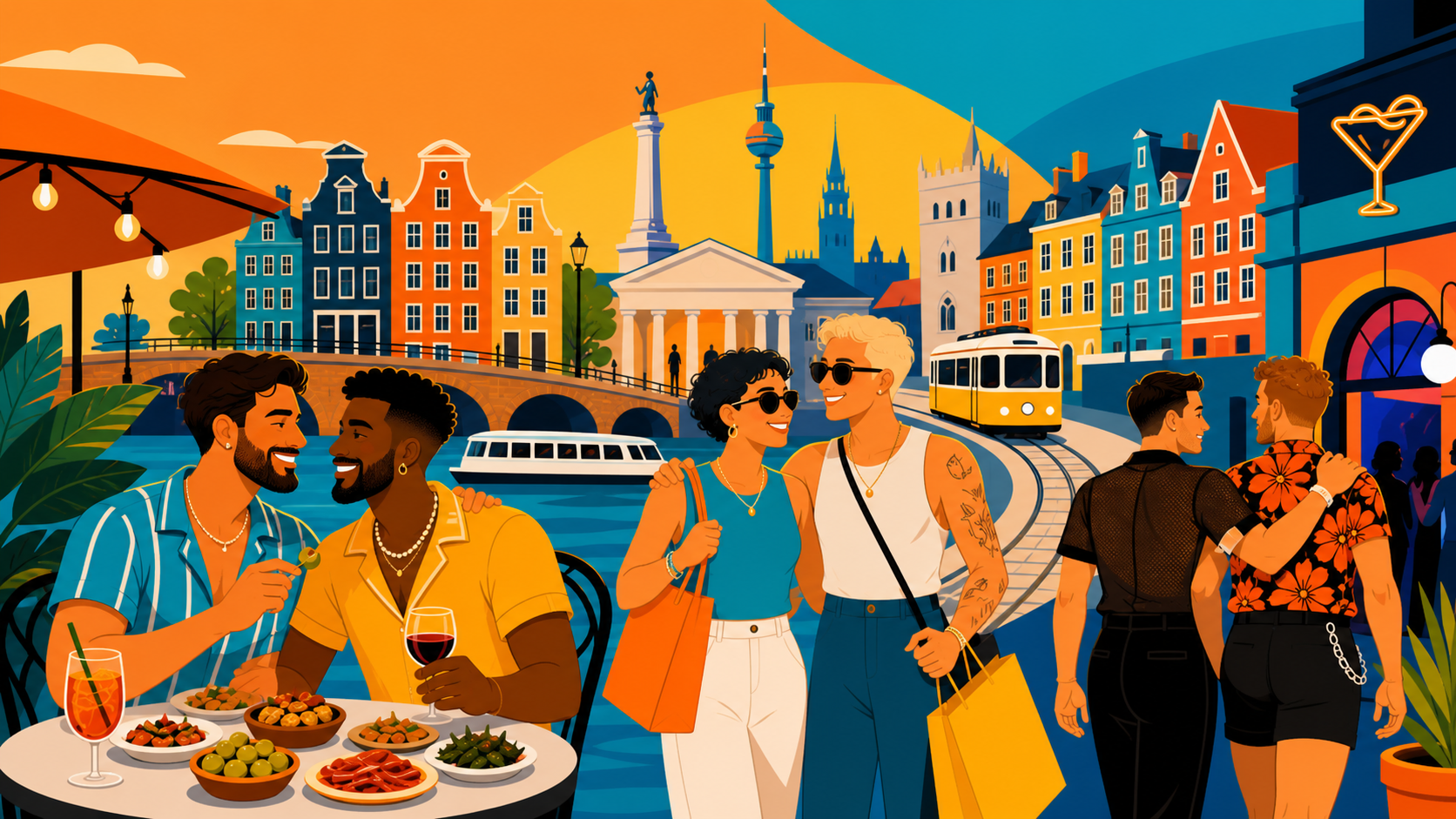
Berlin, Germany
Berlin is often held up as a global gay-friendly destination. Many travellers love its mix of relaxed attitudes, vibrant queer nightlife, and tolerant public culture. According to one long-standing travel blog, experiences vary widely depending on dress, presentation and context — but overall, many same-sex couples and queer solo travellers report acceptance or indifference rather than hostility. (contiki.com)
That reflects a key point: safe, affirming travel doesn’t always rely on “gay-only” spaces. In Berlin, mainstream cafés, bars, galleries and public transport can feel ordinary and unremarkable — even for queer visitors. For travellers who want deeper cultural insight beyond myths, our article on LGBT history in Berlin shows how queer heritage shapes modern, welcoming destinations.
Cape Town, South Africa
In many overviews of “LGBT-friendly destinations,” Cape Town is highlighted as one of Africa’s leading LGBTQ+-welcoming cities — combining constitutional protections, visible queer communities, and tourism infrastructure that supports diverse travellers. (Wikipedia)
That means myths like “everywhere in Africa is risky for queer travellers” don’t capture the full story. As long as you plan carefully — choose accepting neighbourhoods, read recent traveller reviews, and stay aware — experiences in Cape Town can be open, vibrant and genuinely welcoming.
Mixed Reality — Why Local Culture and Timing Still Matter
Even in destinations with strong legal or social progress, nothing is guaranteed. As travel-lifestyle blogs note: people’s experiences depend on many factors — how you present as a traveller, where you stay, when you travel, and the local community you encounter. (contiki.com)
That nuanced view helps break the myth that “gay-friendly = risk-free.” Instead, thoughtful planning, awareness of local customs, and respect for context give you control — and let you enjoy the world on your terms.
Bringing It All Together — Why These Myths Hold People Back
Misunderstandings about safety, acceptance, or hotel-check-in treatment can make queer travellers hesitate, cancel trips or over-prepare unnecessarily. Those myths add stress before you even pack your bags.
But when you see how many myths don’t hold up in reality — when you understand laws vs. lived experience, risks vs. rewards — travel becomes less about fear, and more about choice.
You owe yourself the chance to explore. To meet new people. To experience culture. To feel free. Without overthinking every stroll, check-in or dinner.
At the same time, you don’t need to travel blindly. That’s where careful planning, good information — and working with LGBT-aware travel experts — makes all the difference. And if you're planning sustainably while avoiding outdated assumptions, our tips on
how to travel sustainably as an LGBT+ person add an eco-friendly perspective.
Final Thoughts — Travel Without Fear
Myths around queer travel started as warnings; often they reflected real dangers faced by earlier generations. But the world moves. Cultures shift. Travellers change how they move through the world.
At the same time, myths remain powerful when left unchecked. They keep people home. They shape choices for reasons that don’t always hold up.
That’s why debunking them matters. You don’t have to ignore risk. And you don’t have to accept unnecessary fear, either.
You deserve holidays where you feel safe, seen, and free. And you deserve to explore the world with confidence.
If you’d like help building a trip tailored for you — with careful destination research, inclusive accommodations, and back-up support — I’m here.
📧
reservations@wideawakeholidays.co.uk
🌐
www.wideawakeholidays.co.uk
📞 01495 400947
Send an Enquiry
We will get back to you as soon as possible.
Please try again later.
Frequently Asked Questions
Do I need to limit myself to “gay-friendly” countries when travelling as LGBT?
No. Many destinations not generally known for being LGBT hotspots still offer welcoming spaces, inclusive hotels, or friendly locals. What matters is research and context.
Is solo travel safe if I’m LGBT?
Often yes — plenty of queer travellers enjoy safe, enriching solo trips. Awareness of local laws, cultural norms and personal comfort levels helps you travel smarter.
Should I hide my identity when travelling internationally?
Only if that feels right to you. Many people travel openly and comfortably. Others choose discretion depending on culture or setting. The choice is yours.
Will mainstream hotels welcome same-sex couples?
Yes — many mainstream hotels today are used to hosting all kinds of couples. With careful booking and clear communication (especially about bedding), stays can be smooth and stress-free.
Are Pride events overseas worth attending? Aren’t they risky?
They can be wonderful — colourful, affirming, and full of community. Risks exist in some places; it’s wise to check recent local reports. But dismissing all Pride events misses many joyful, inclusive opportunities.
Will locals automatically react negatively if I show affection abroad?
Not necessarily. In many places, locals are tolerant or indifferent. Cultural norms around public affection often matter more than sexual orientation.
Can I mix mainstream travel with queer-friendly experiences?
Absolutely. Many LGBT travellers enjoy mainstream sites — museums, beaches, tours — alongside queer nightlife or community spaces. You get to decide your balance.
Is the world overall becoming less safe for LGBT travel?
Trends are mixed. Some regions face setbacks. But many destinations are improving protections, welcoming queer tourism, and promoting inclusivity. Progress is ongoing.
How can I check if a destination is safe and welcoming right now?
Look at up-to-date traveller reviews, local news, queer-community forums, and hotel feedback. Laws help, but lived experience and current reports matter more.
Do I need a specialised travel agency to travel as LGBT-identifying?
Not always. But working with an LGBT-aware agency can take pressure off planning, help select welcoming properties, and reduce stress if issues arise.
Some of our Latest Offers
Discover our latest hand-picked travel offers below – automatically updated and inspired by the destinations featured in this blog.