
Must-Visit LGBTQ+ Landmarks in Europe for History Buffs
Must-Visit LGBTQ+ Landmarks in Europe for History Buffs
Must-Visit LGBTQ+ Historical Landmarks in Europe for Travellers Who Want More Than a Standard City Break
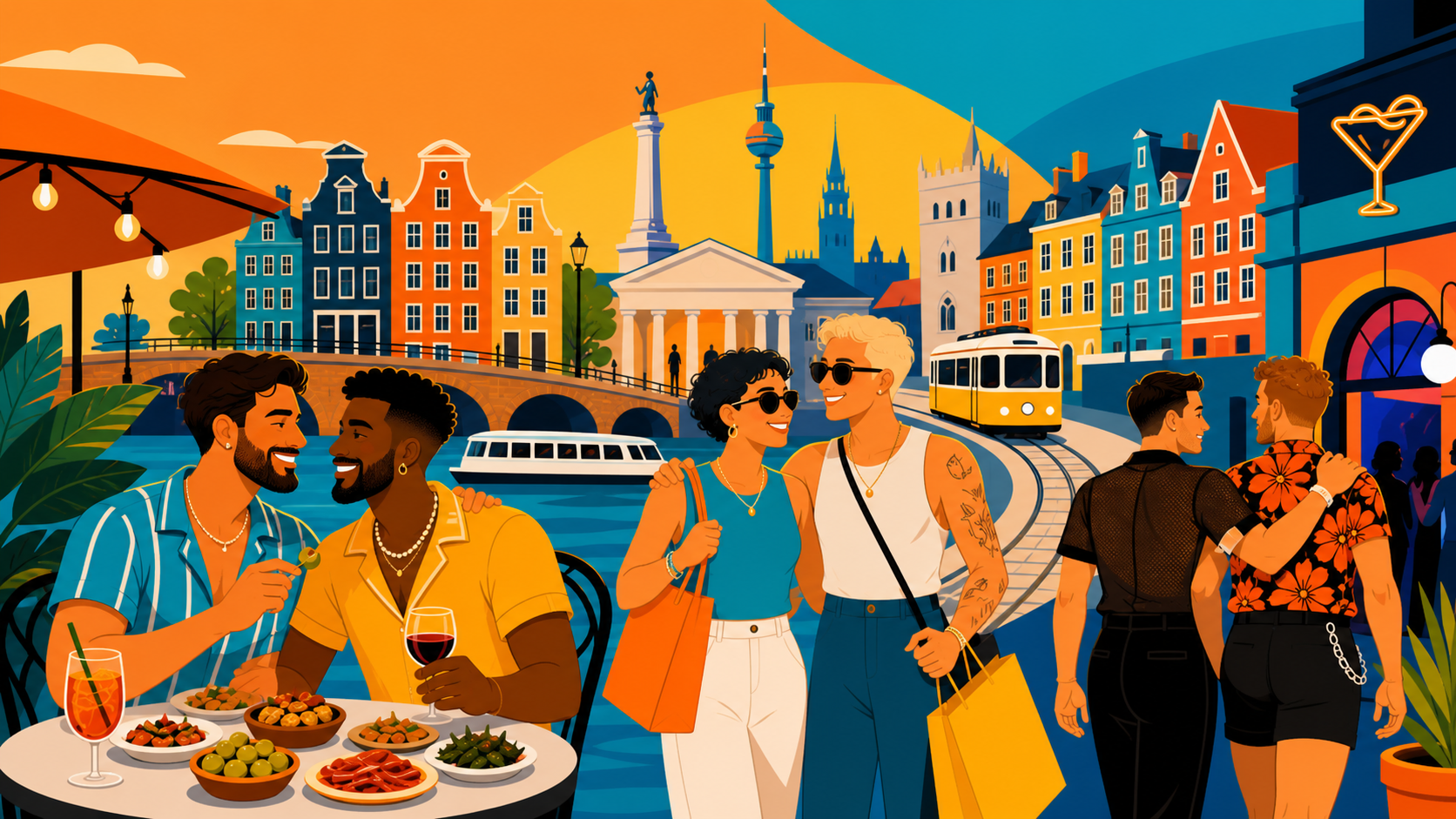
If LGBTQ+ historical landmarks in Europe shape the way you travel, this is the kind of trip that stays with you long after you get home. A beach can be lovely and a rooftop bar can be fun, yet places tied to queer memory give a holiday a different kind of weight. They show you where people resisted, where they grieved, where they gathered, and where public space finally started to say, out loud, that LGBTQ+ lives matter.
That is why this subject works for both regular gay holidaymakers and people planning their first queer-aware trip. You do not need to know every chapter of LGBTQ+ history before you go. You only need some curiosity, a bit of time, and a wish to see Europe through a more human lens.
At Wide Awake Holidays, we believe that sometimes gay friendly is not friendly enough. You want more than a hotel that says all are welcome. You want a place where you can feel relaxed, understood, and safe while also seeing the stories that helped shape modern queer life. We are a gay-owned travel company based in the UK, and we also arrange trips for travellers outside the UK, including customers from the United States, so this kind of history-led holiday can be planned wherever you are starting from.
Some trips are built around nightlife. Some centre food, art, or beaches. This one is different. A city tells you who it values by the names on its squares, the memorials it builds, and the stories it chooses to place in stone.
Why LGBTQ+ historical landmarks in Europe still matter on a modern holiday
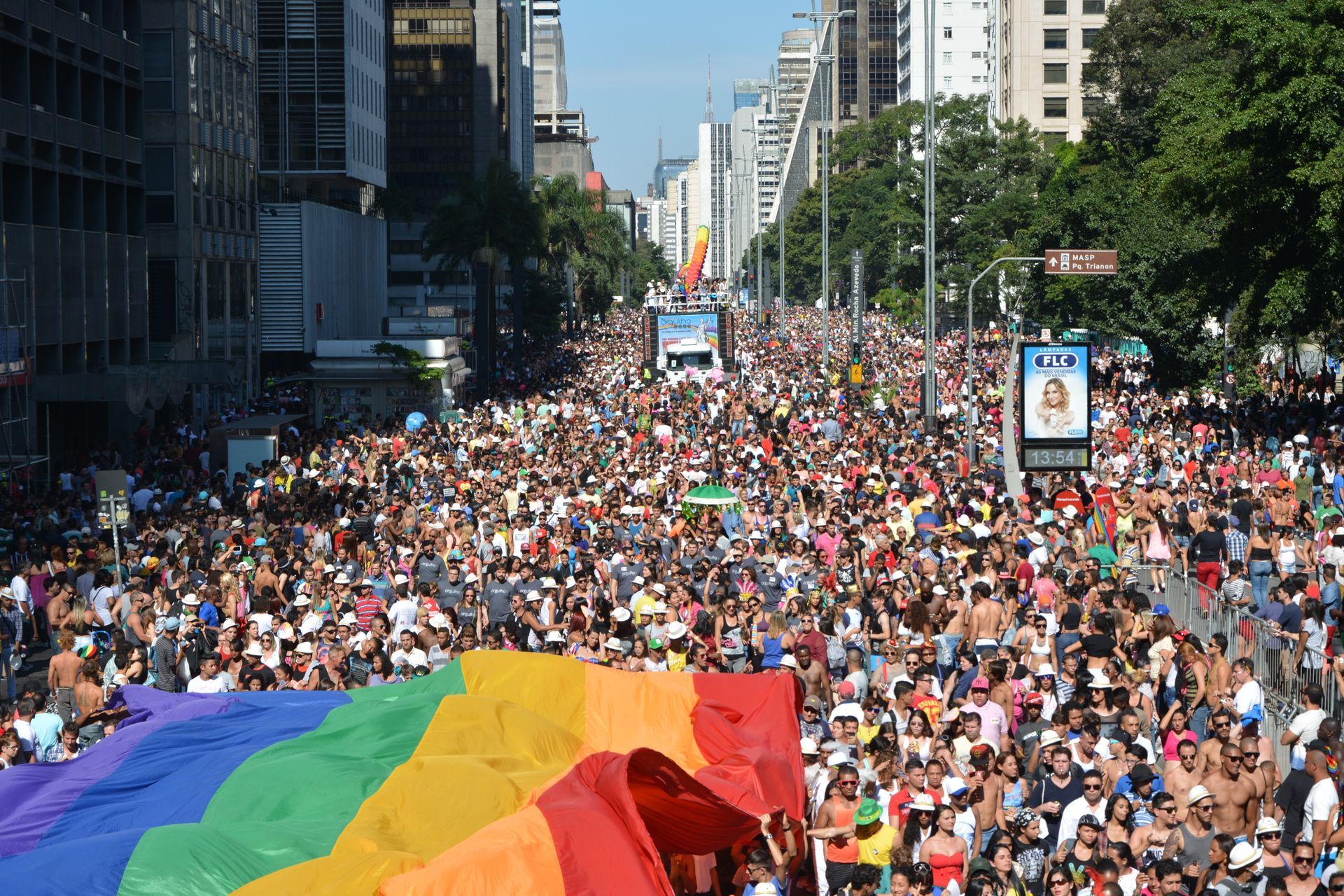
There is a real difference between visiting a city and understanding it. You can walk through a famous district, take a few photos, and leave with a pleasant memory. Yet when you stand at a queer memorial or a site tied to protest, loss, or pride, the place stops feeling flat.
For many travellers, that shift is the point. It turns a break into something more personal. It also helps first-time LGBTQ+ travellers feel that a destination is not just commercially welcoming but rooted in real history.
These landmarks matter for another reason too. They remind you that progress was not handed over neatly. People fought for it in courts, in bars, in streets, in print, and in public life. When you visit them, you are not just ticking off sights. You are seeing the record of lives that refused to stay hidden.
A history-led LGBTQ+ trip works especially well if you like:
- city breaks with depth
- museums, memorials, and neighbourhood walks
- queer culture beyond nightlife
- places where you can mix learning with rest
- holidays that feel personal, not generic
Germany: LGBT+ historical landmarks in Europe in Berlin
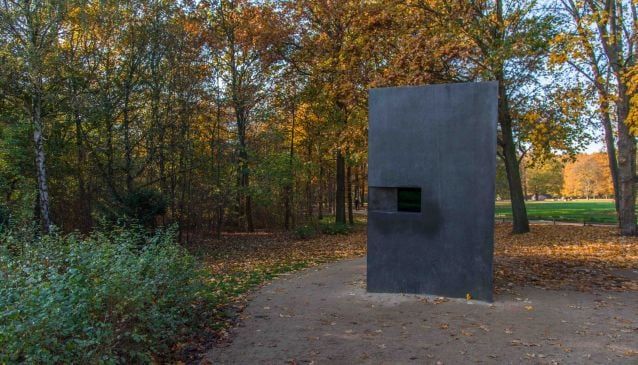
Berlin gives you queer history in bold type. It can be celebratory, raw, and confronting in the same afternoon. That mix is part of the city’s power.
Memorial to Homosexuals Persecuted Under Nazism (Tiergarten)
Near the Brandenburg Gate, this memorial is simple, stark, and hard to forget. It honours gay men and lesbians persecuted under the Nazi regime. The location matters because it sits close to other national memorials, signalling that queer history belongs in the public story.
Give yourself time to stand still. Then walk into Tiergarten and let the city breathe.
Schöneberg and the legacy of Weimar Berlin
Schöneberg is a key chapter in Berlin’s queer history. In the Weimar era it became known for nightlife, art, and a level of openness that later collapsed under fascism. A guided walking tour helps because many stories are tied to buildings that look ordinary from the outside. That “hidden in plain sight” feeling shows up across LGBT+ historical landmarks in Europe.
Hotel idea: Axel Hotel Berlin sits in Schöneberg and is built with LGBTQ+ travellers in mind. Offer line you can remove: We can price this with flights and transfers and share any supplier perks available when you enquire.
One-day route: morning memorial time near Tiergarten, afternoon history walk in Schöneberg, evening in a venue that matches your pace.
How Gay Friendly is Germany?
Germany recognises same-sex marriage and applies anti-discrimination rules across work and services, which makes planning LGBT+ historical landmarks in Europe in major cities feel straightforward. Berlin, Cologne, and Hamburg have strong LGBT+ infrastructure and visible community life. Attitudes can vary by region, so smaller towns may feel quieter rather than unfriendly.
Before you book trains and hotel nights, it’s worth browsing
LGBT+ History in Berlin: Exploring the City’s Queer Heritage so you can line up the memorials and neighbourhoods in the right order.
The best LGBTQ+ historical landmarks in Europe to build a trip around
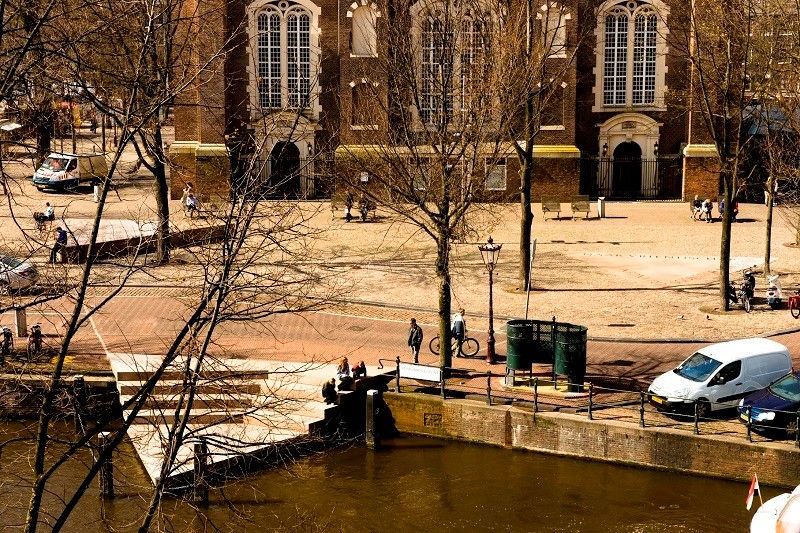
Amsterdam, Netherlands: Homomonument
If you only visit one of the great LGBTQ+ historical landmarks in Europe, Amsterdam’s Homomonument should be high on your list. It opened in 1987 and is widely recognised as the world’s first memorial to people persecuted because of their sexual orientation. Set beside the Keizersgracht near Westerkerk, it does not feel shut away. It sits right in the city, in public view, which is part of its power.
The design matters as much as the setting. The monument is formed from three pink granite triangles, a direct reclaiming of the pink triangle used by the Nazis to mark gay men. Because of that, the site connects grief, protest, and pride in one gesture. It is a place to pause, but it is also a place to gather.
Amsterdam suits this kind of trip because the city makes queer history feel woven into daily life. You can spend the morning at the Homomonument, move through canal-side streets, then settle into the wider story of Dutch openness, activism, and public memory. For a first LGBTQ+ history trip, it is hard to beat.
Stay nearby and the experience feels even smoother. Amistad Hotel, previously known as the “Gay Friendly Hotel”, remains a welcoming central base within walking distance of nightlife, museums, and the old city. If we have a current offer for Amsterdam at the time you enquire, we can package the right hotel with flights or rail and build the trip around the sights you most want to see. If Amsterdam is high on your list, our Amsterdam LGBT+ travel guide gives you a wider look at the canals, queer history, nightlife, and where to stay.
How Gay Friendly is Amsterdam?
The Netherlands was the first country in the world to legalise same-sex marriage, and the legal position remains strong. Anti-discrimination protections explicitly cover sexual orientation, and that includes employment. Public opinion is also very supportive, with recent survey data showing very high backing for same-sex marriage. In simple terms, Amsterdam feels settled, confident, and easy for most LGBTQ+ travellers.
Berlin, Germany: Memorial to Homosexuals Persecuted Under Nazism
Berlin offers one of the most moving LGBTQ+ historical landmarks in Europe because it asks you to sit with the harshest part of the story. The Memorial to Homosexuals Persecuted Under Nazism stands near the Memorial to the Murdered Jews of Europe and was created to recognise a group long pushed to the side of Holocaust remembrance.
The context is stark. Under the Nazis, Paragraph 175 was tightened in 1935, and more than 50,000 men were convicted. Berlin’s memorial does not soften that history. Its concrete form, small viewing window, and quiet setting all force a slower response from the visitor. You do not rush this site.
Still, Berlin is not only about loss. That is what makes it such a strong destination for history buffs. You can pair the memorial with Schöneberg, long tied to queer life, and see how the city holds both trauma and freedom in the same map. That contrast gives Berlin unusual depth. For a broader view of the city before you go, our guide to Berlin’s queer heritage traces the story from Weimar cabarets to modern Pride.
For travellers who like staying in the heart of queer Berlin, Axel Hotel Berlin sits in Schöneberg, close to many of the district’s best-known bars, clubs, and LGBTQ+ events. It is aimed at the LGBTQIA+ market while remaining open to all. If there is a live offer for Berlin when you enquire, we can check whether this stay can be folded into your wider holiday plan.
How Gay Friendly is Berlin?
Germany recognises same-sex marriage, and ILGA-Europe’s country data records explicit anti-discrimination protection covering sexual orientation, including in work. Public support is strong, with recent survey results showing broad approval of same-sex marriage. Berlin itself often feels more relaxed than the legal summary even suggests, though that should not hide the fact that hate incidents still happen and memory work still matters.
Spain: LGBT+ historical landmarks in Europe with a modern heartbeat
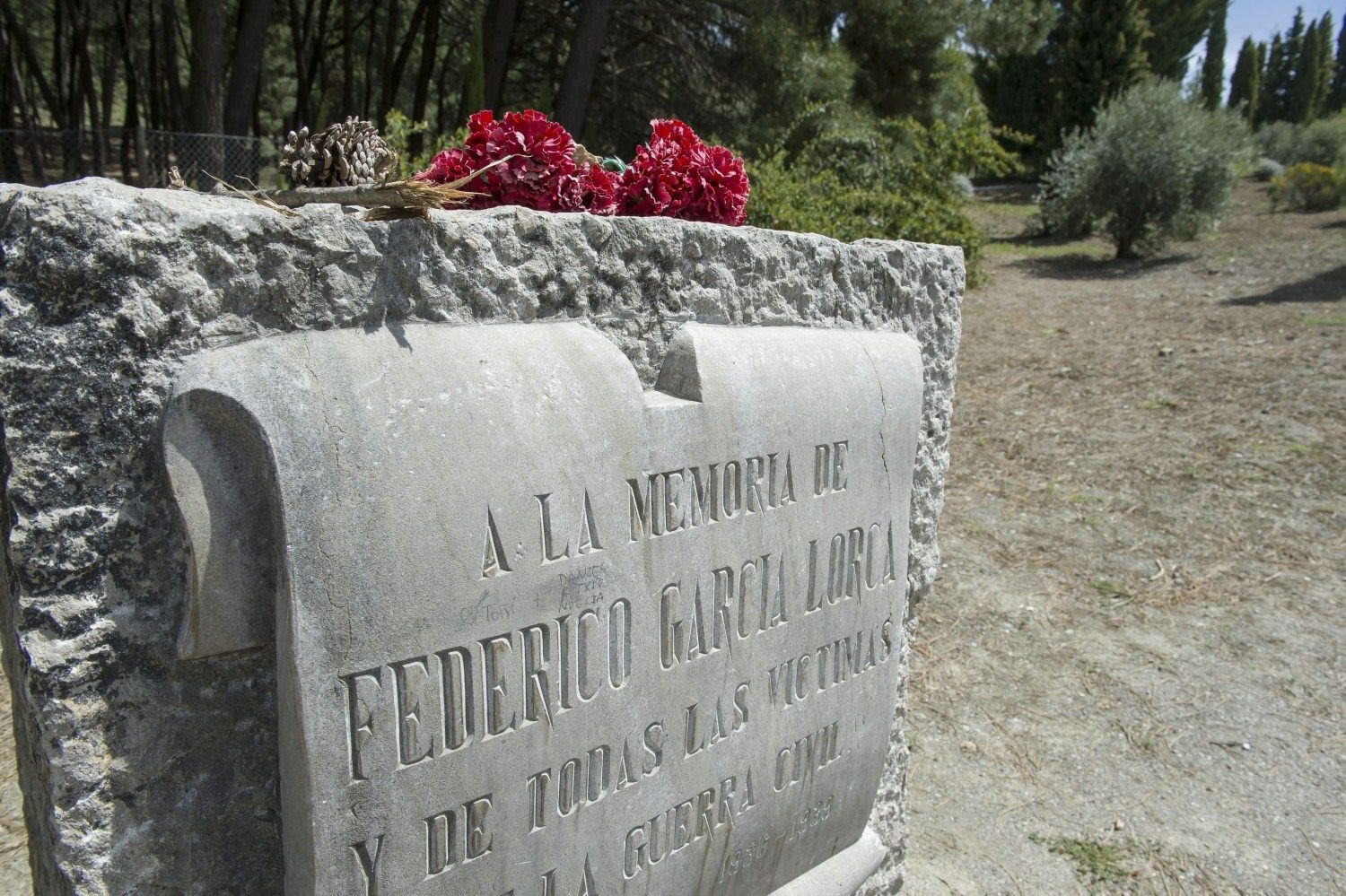
Paris, France: Place Harvey Milk and the 2025 LGBTQ+ memorial near Bastille
Paris gives you a different angle on queer history. Rather than one single site carrying the whole story, the city offers a wider memorial trail. Place Harvey Milk in the Marais shows how public naming can honour queer political history. Then, near Bastille, Paris unveiled a new memorial in May 2025 dedicated to LGBTQ+ victims of the Nazi regime and other persecutions.
This pairing works beautifully for travellers who like to walk a city and read it closely. Place Harvey Milk sits in one of Paris’s best-known queer districts, so it links public honour with daily life. The newer memorial adds a more solemn layer. It also makes Paris feel current, not frozen in past reputation.
That matters because queer travel is not only about old stories. It is about watching cities decide what they want to remember now. Paris has clearly chosen to place LGBTQ+ history into public space in a way visitors can see without special access or specialist knowledge. If Paris feels like your style, our guide to gay city breaks in Paris covers neighbourhoods, hotel choices, and how to shape the right stay.
If you want to stay close to the Marais, Hôtel Georgette places you in the heart of a gay-friendly part of Paris and gives you an easy base for walking between queer history, museums, cafés, and the Seine. If a Paris offer is running when you contact us, we can talk you through the best fit for your dates and style of trip.
How Gay Friendly is Paris?
France recognises same-sex marriage, and ILGA-Europe records explicit anti-discrimination protections linked to sexual orientation, including in employment. Public opinion is also positive, with strong survey support for same-sex marriage. Paris tends to feel open and easy for most LGBTQ+ visitors, especially in the Marais, though like any major city it still has mixed pockets and the national picture is not perfect.
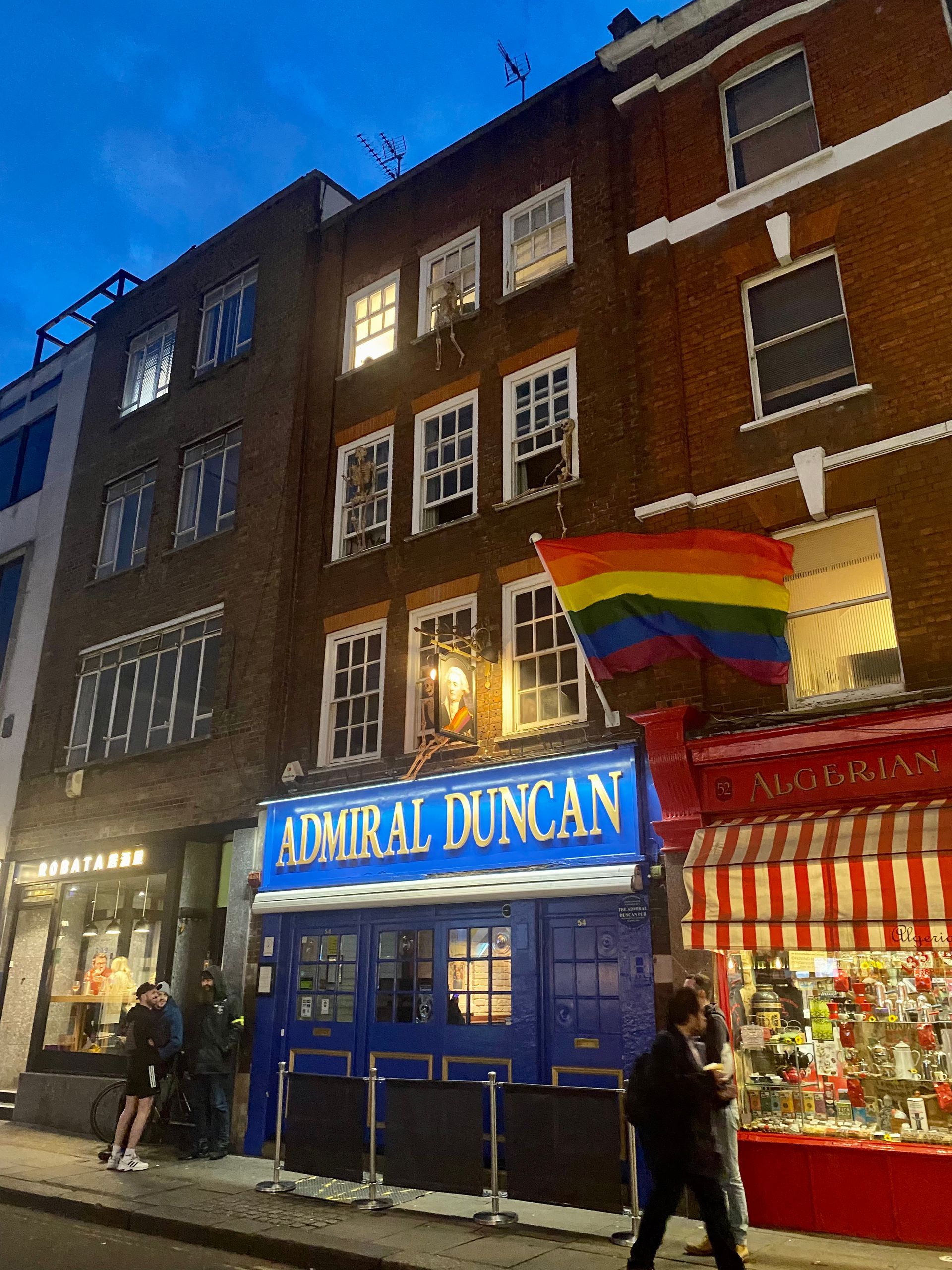
London, United Kingdom: The Admiral Duncan and Soho remembrance
Not every LGBTQ+ landmark is grand in scale. Some matter because of what happened there and how a community answered it. The Admiral Duncan in Soho is one of those places. On 30 April 1999, a nail bomb attack at the pub killed three people and injured around 70 in what Historic England describes as the worst homophobic attack on a gay venue in Britain.
For a history buff, this is a key London stop because it speaks to very recent queer memory. This is not ancient history or a half-forgotten fight from another era. It sits inside living memory, in one of Europe’s best-known queer neighbourhoods. If you visit during the annual act of remembrance, the meaning lands even more strongly.
Soho works well for travellers who want a trip that moves between pleasure and memory without strain. You can spend part of the day exploring queer Soho, stop at the Admiral Duncan, and then carry on through theatre, food, bookshops, and bars. London does not isolate queer history from the rest of the city. It shows you how closely the strands sit together.
How Gay Friendly is London?
The UK recognises same-sex marriage across England, Wales, Scotland, and Northern Ireland. ILGA-Europe records explicit anti-discrimination protection covering sexual orientation, including at work, and survey data continues to show broad public support for same-sex marriage. London remains one of Europe’s easiest cities for many LGBTQ+ travellers, though national debates around rights have become sharper in some areas, so it is still wise to plan with care.
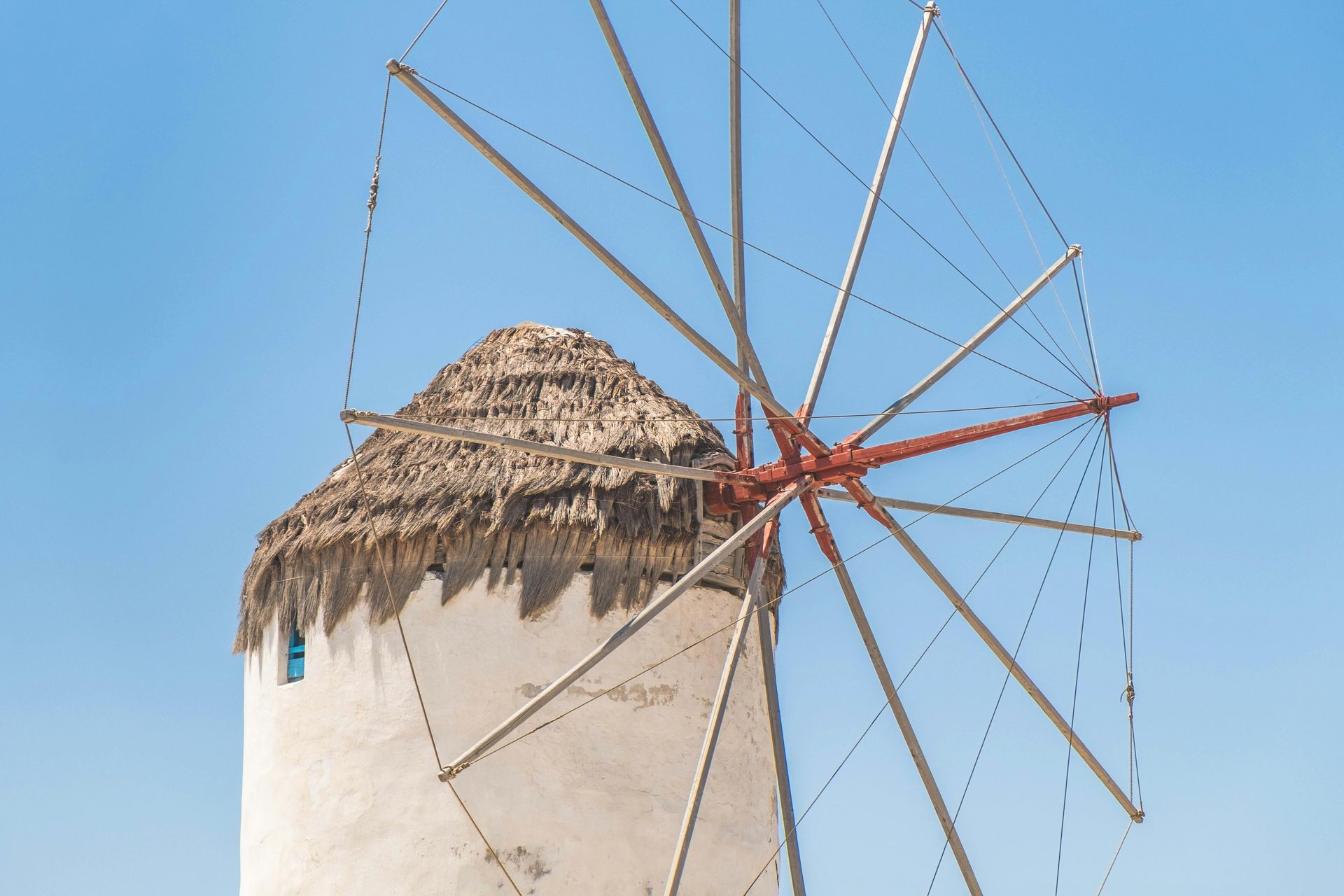
Lesbos, Greece: Sappho’s legacy in Skala Eressos
Not every landmark comes as a monument. Some come as a place, a name, and a cultural memory that has travelled through centuries. Lesbos belongs on this list because of Sappho, the ancient poet whose work has shaped how generations understand love between women. Skala Eressos, linked to her birthplace, has also grown into a modern centre of lesbian travel.
For that reason, Lesbos offers one of the most unusual LGBTQ+ historical landmarks in Europe. You are not visiting a single sculpture or plaque. You are stepping into a place where classical history, language, women’s travel, and present-day queer community all meet. That gives the trip a richer texture than a standard island break.
It also broadens the article beyond gay male memorial culture, which many round-ups lean on too heavily. If your idea of queer history includes literature, identity, women’s spaces, and the roots of lesbian cultural memory, Lesbos earns its place with ease.
Skala Eressos has a long tie to lesbian tourism, and there are properties shaped around that audience. Ohana Rooms describes itself as women’s accommodation in the heart of Skala Eressos, close to the sea and the setting of both the International Women’s Festival and the Queer Ranch Festival. Aeolian Village also markets itself as LGBT-friendly in Lesbos. If there is a current Lesbos offer available, we can check flights, transfers, and the right style of stay for your trip.
How Gay Friendly is Lesbos?
Greece legalised same-sex marriage in February 2024, becoming the first majority-Orthodox country to do so, and ILGA-Europe records anti-discrimination and workplace protections tied to sexual orientation. Public opinion has moved in a more positive direction, though it remains more mixed than in places such as the Netherlands or Germany. On the ground, Skala Eressos often feels much warmer and easier than the broad national picture suggests, especially for lesbian travellers.
More LGBTQ+ historical landmarks in Europe worth adding if you have time
The cities above can each carry a trip on their own, yet you can add more stops if you want a wider route. Frankfurt’s Frankfurter Engel and Cologne’s Rosa Winkel memorial both deepen the German story. They also show that Berlin is not the only place in Germany where queer remembrance entered public space.
You can also build a multi-stop itinerary. Amsterdam and Berlin work well together by rail. Paris and London make a strong pairing if you want queer public history, big-city culture, and easy transport. Berlin and Lesbos can work beautifully too if you want one city week followed by time to slow down on the coast.
Do you want your holiday to feel like a list of bars and beaches, or do you want to come home feeling you understood something new?

Jamie Says:
"The best LGBTQ+ trips are not just about where you can go out. They are about where you can feel something real. When a traveller stands at a memorial, a square, or a place tied to queer history, the holiday starts to mean more. That is often the moment people stop asking for a gay-friendly break and start asking for a trip that feels right for them."
Jamie Wake, Managing Director
What you get when you book through Jamie Wake Travel
When you book through Wide Awake Holidays and Jamie Wake Travel, you are not left trying to stitch together flights, hotels, and the right neighbourhood on your own. We offer a personal service and can shape the trip around your interests, whether you want a fast-paced city break, a longer rail journey, or a quieter stay with history built into the itinerary.
We are a member of Protected Trust Services and hold an ATOL licence. For tailor-made holidays, Supplier Failure Insurance and Scheduled Airline Failure Insurance are included. That means your trip comes with meaningful financial protection as well as practical support, which matters even more when you are planning a multi-stop holiday or travelling from outside the UK.
We also work with a wide range of suppliers and tour operators. So if you are travelling from Britain, the United States, or elsewhere, we can look at the routes, stays, and pace that suit you best rather than forcing you into one fixed mould.
How to plan a trip around LGBTQ+ historical landmarks in Europe
The smartest way to build this kind of holiday is not to cram in every place at once. Pick one core city or island, then decide what kind of mood you want around the history. Do you want canal views and museums, serious memorials and nightlife, or an island stay with time to read, rest, and swim?
A simple way to plan it is:
- choose one main landmark that really matters to you
- stay in a district that keeps walking and transport easy
- mix history with pleasure, not history instead of pleasure
- leave space for guided walks, museums, and unplanned time
- ask for a tailor-made trip if you want rail, flights, hotels, and transfers wrapped into one plan
That balance is where the best trips usually sit. You visit the landmark, you feel the weight of it, and then the city opens back up around you. That rhythm helps the history land without making the whole break feel heavy.
Plan your own LGBTQ+ history trip with Wide Awake Holidays
The best LGBTQ+ historical landmarks in Europe are not just sights to tick off. They are places that can change how a city feels, how a holiday unfolds, and how you understand the people who came before you. Whether you travel on gay holidays all the time or this would be your first, a history-rich trip gives you something more lasting than a standard escape.
If you want a break shaped around queer history, the right neighbourhood, and the kind of hotel that suits how you like to travel, Wide Awake Holidays can help you build it. We are a gay-owned UK travel company, we welcome enquiries from travellers both in the UK and abroad, and we tailor holidays to fit real people rather than a generic template.
To start planning, call us on 01495 400947 or use the holiday enquiry form on the website and tell us what kind of trip you want. We can help you turn a good idea into a well-planned holiday that feels personal from the first step.
Send an Enquiry:
We will get back to you as soon as possible.
Please try again later.
Frequently Asked Questions
What are the best LGBTQ+ historical landmarks in Europe for a first trip?
Amsterdam’s Homomonument, Berlin’s memorial to homosexuals persecuted under Nazism, and London’s Admiral Duncan are strong starting points. They are easy to reach, rich in meaning, and set within cities that also offer great food, culture, and nightlife.
Why do LGBTQ+ historical landmarks in Europe matter to travellers today?
They help you see more than the polished tourist version of a place. They show where queer people were targeted, where they were remembered, and where public life has changed.
Are LGBTQ+ historical landmarks in Europe suitable for someone who has never been on a gay holiday?
Yes. In fact, they can be ideal for a first trip because they give your holiday a clear focus. You do not need to know the full history before you go. You just need an interest in the stories behind the city.
Which city is easiest for combining queer history with nightlife?
Amsterdam and Berlin are both excellent for that mix. You can visit a major landmark by day and still have bars, clubs, cafés, and cultural venues within easy reach at night.
Is Lesbos a good choice for lesbian travellers interested in history?
Yes. Lesbos offers a rare mix of classical history, women’s travel culture, and present-day community. The link to Sappho gives the island a place in queer cultural memory that feels very distinct.
Are these destinations only for couples?
Not at all. Solo travellers, friends, and groups can all enjoy LGBTQ+ historical landmarks in Europe. In some ways, history-led travel works especially well alone because you can move at your own pace.
Can Wide Awake Holidays arrange trips for people outside the UK?
Yes. We are based in the UK, but we can also make travel arrangements for customers who live outside the UK, including travellers from the United States.
What protections do I get on a tailor-made booking?
Tailor-made holidays include Supplier Failure Insurance and Scheduled Airline Failure Insurance. We are also a member of Protected Trust Services and hold an ATOL licence.
How many LGBTQ+ historical landmarks in Europe should I try to see in one holiday?
Usually one or two core sites is enough for a short break. That gives you time to absorb the history, enjoy the destination, and avoid turning the trip into a rush.
What should I ask for when booking an LGBTQ+ history trip?
Tell us which landmark or destination interests you most, how long you want to travel for, and whether you want nightlife, culture, quiet time, or a mix. That makes it much easier to shape the right holiday from the start.
Some of our Latest Offers
Discover our latest hand-picked travel offers below – automatically updated and inspired by the destinations featured in this blog.