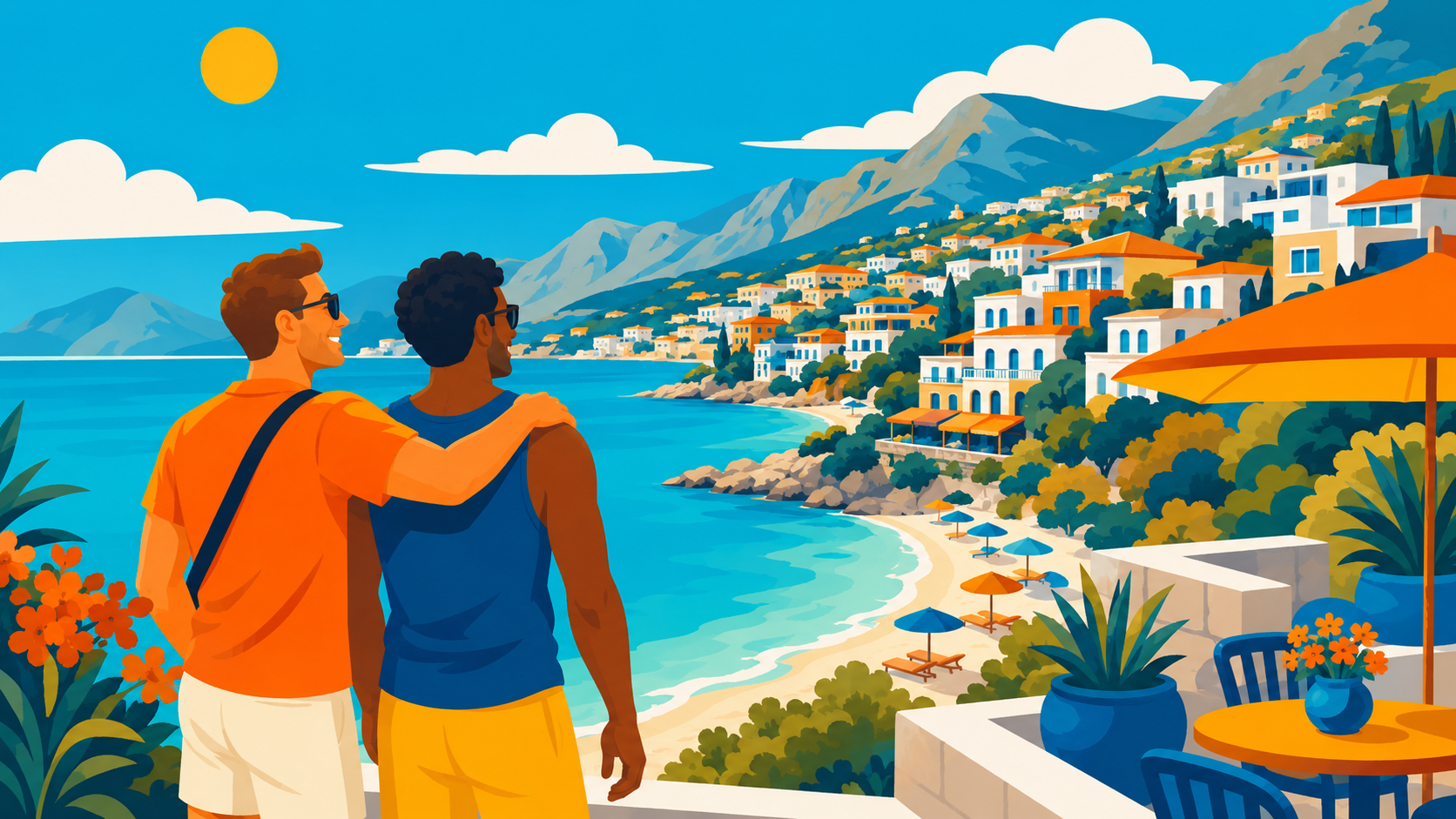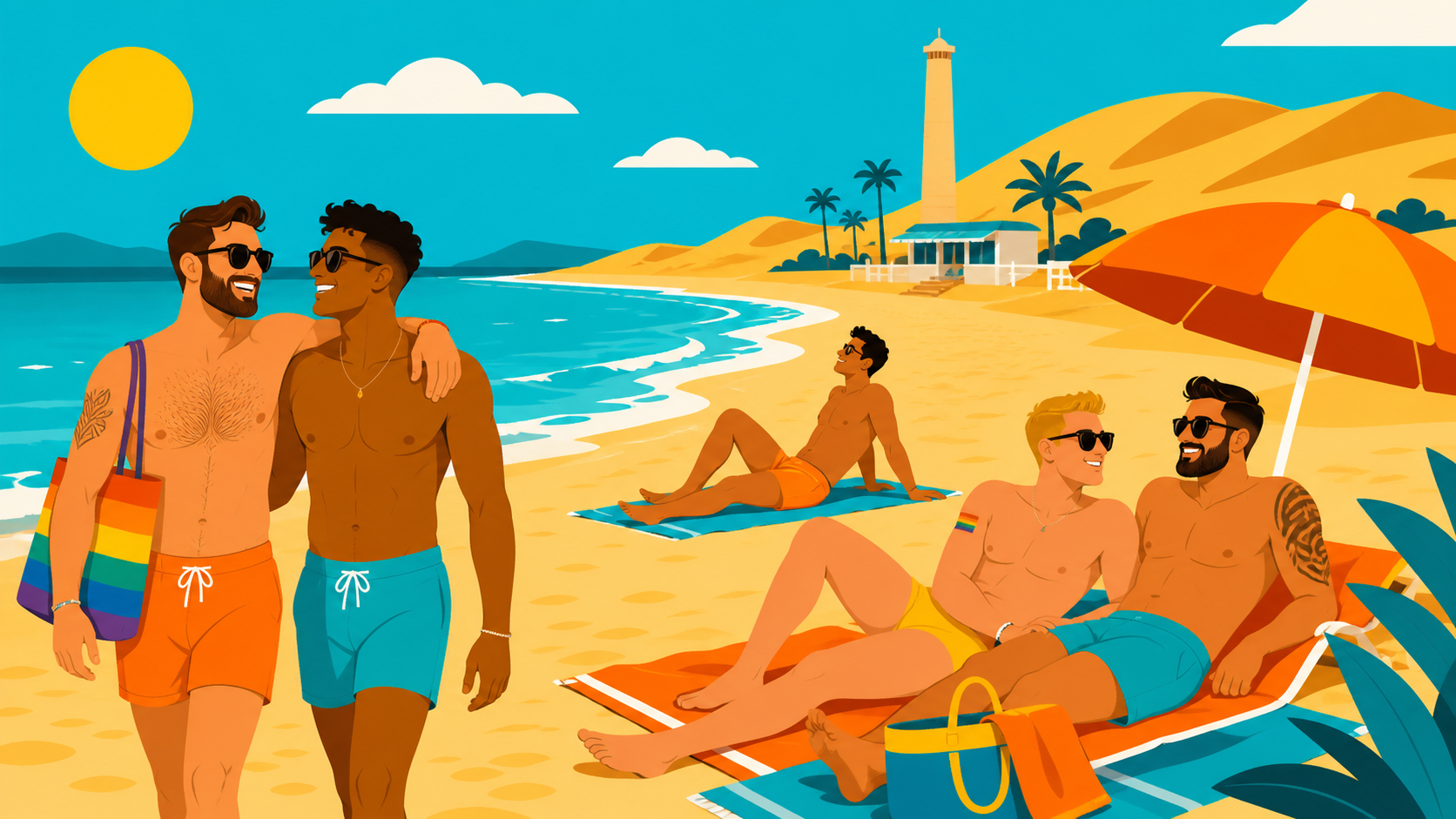

The Best Gay Beaches in Europe
“The Best Gay Beaches in Europe (Maspalomas, Elia, Sitges & More)”
The Best Gay Beaches in Europe for Relaxed, Confident Travel
Some of the best gay beaches in Europe offer far more than good weather. They provide comfort, visibility and a shared understanding that lets LGBT+ travellers fully relax. For many people, that feeling is what turns a simple beach day into a meaningful travel experience.
Across Europe, certain beaches have become established meeting points for gay men and the wider LGBT+ community. These places didn’t happen by accident. They grew because people felt safe returning, year after year, without needing to explain who they are. That consistency is what matters most.
Many competitor guides list gay beaches quickly, with little context. They often skip practical detail, local atmosphere and how welcoming a place actually feels on the ground. This guide takes a more considered approach. Each destination is included because it delivers a reliable, positive experience for LGBT+ travellers today.
Whether you’re travelling solo, as a couple or with friends, these gay beaches in Europe offer space to unwind without tension. They are social if you want connection, calm if you want privacy, and visible without feeling exposed. Let’s begin with one of Europe’s most established gay beach destinations. If you want a broader overview beyond Europe, this guide to
LGBT+ friendly beaches worldwide offers useful context and inspiration.
Maspalomas, Gran Canaria
Europe’s Most Established Gay Beach Scene
Maspalomas, in the south of Gran Canaria, is often regarded as the benchmark for gay beaches in Europe. It combines scale, acceptance and long-standing community in a way few destinations can match. For first-time gay travellers, it is often where confidence begins.
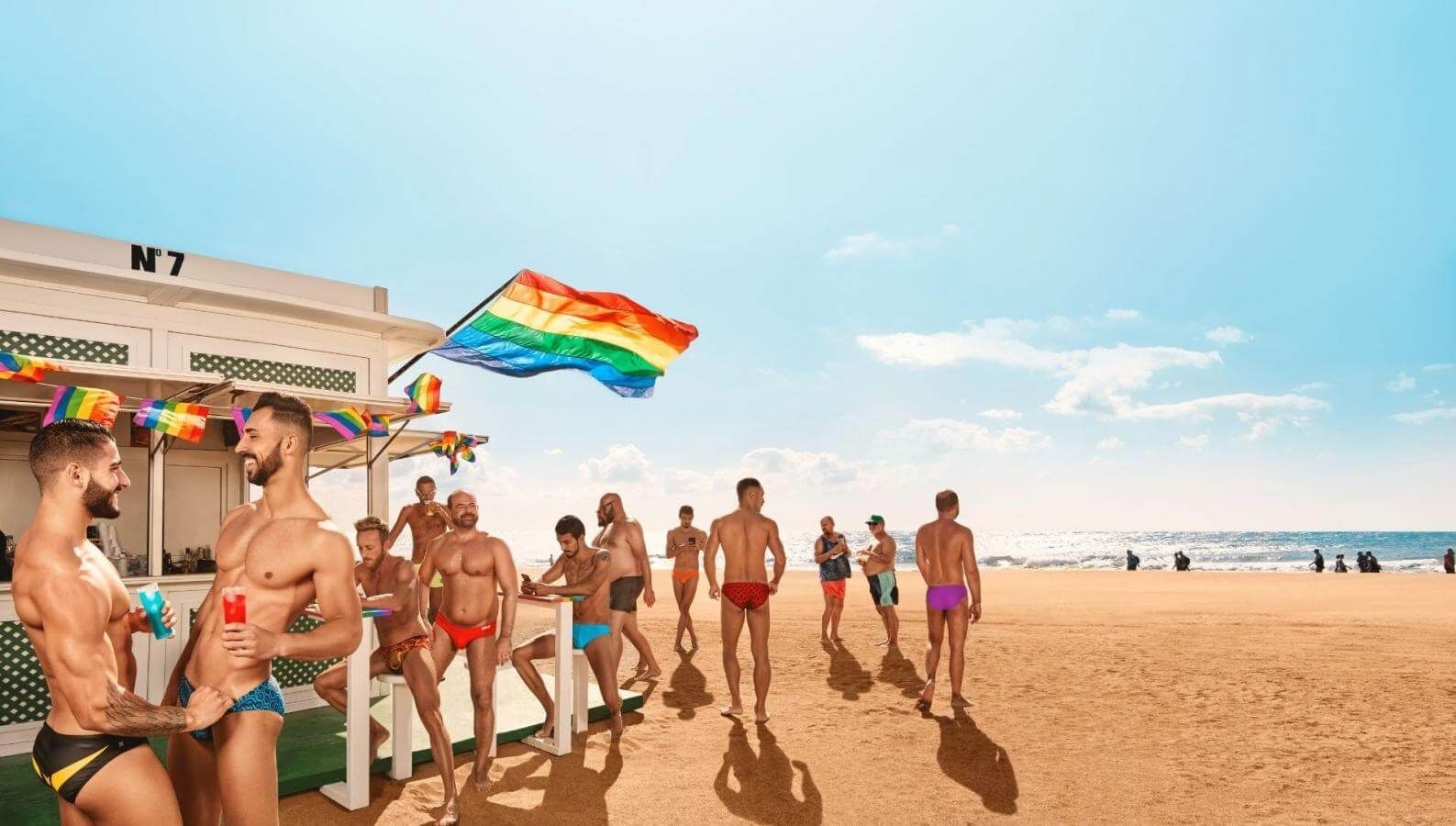
The beach stretches for miles alongside the famous sand dunes, creating a sense of openness that immediately puts people at ease. The recognised gay section is centred around Kiosk 7, which acts as both a landmark and a social hub. From there, the atmosphere feels clearly defined and comfortably inclusive.
What makes Maspalomas work so well is its lack of pressure. You’ll see a wide mix of people enjoying the beach in their own way. Some are social and chatty, others prefer quiet sunbathing, and many fall somewhere in between. No single look or age group dominates the space.
The Beach Experience at Maspalomas
The size of the beach means there is room for everyone. Even during busy periods, it rarely feels crowded or tense. That physical space contributes directly to how relaxed the environment feels.
Behind the main beach area, the dunes allow for optional nudity, which many visitors appreciate as part of the freedom Maspalomas represents. However, staying clothed on the main stretch is just as normal. There is no expectation to behave or dress a certain way.
Beach bars near the gay section are casual and welcoming. Service is friendly without being performative, and prices are generally reasonable. Long afternoons here tend to pass easily, especially as the sun begins to drop.
Practical Tips for Visiting Maspalomas
Location matters when staying in Maspalomas. Accommodation near Playa del Inglés offers the easiest access to the gay beach area and nearby nightlife. This reduces the need for taxis and makes daytime beach visits more convenient.
Mornings are quieter and suit travellers who prefer calm surroundings. Late afternoons attract a more social crowd, particularly during peak seasons. Choosing when to visit depends entirely on your travel style.
Footwear is useful, as distances can be deceptive in the heat. The sand can get hot, especially near the dunes, so planning ahead helps keep the experience comfortable.
How Gay Friendly Is Maspalomas?
Maspalomas is openly and confidently gay-friendly. Same-sex affection is common and unremarkable, both on the beach and in surrounding areas. Local businesses are well accustomed to LGBT+ travellers and treat them with respect and ease.
Gran Canaria has decades of experience welcoming gay visitors, and that maturity shows. There is no sense of novelty or tokenism here. For many travellers, Maspalomas feels less like a holiday spot and more like a temporary community.
It remains one of the safest and most dependable gay beach destinations in Europe, especially for solo travellers or those new to gay travel.
Sitges, Spain
Style, Community and City Energy
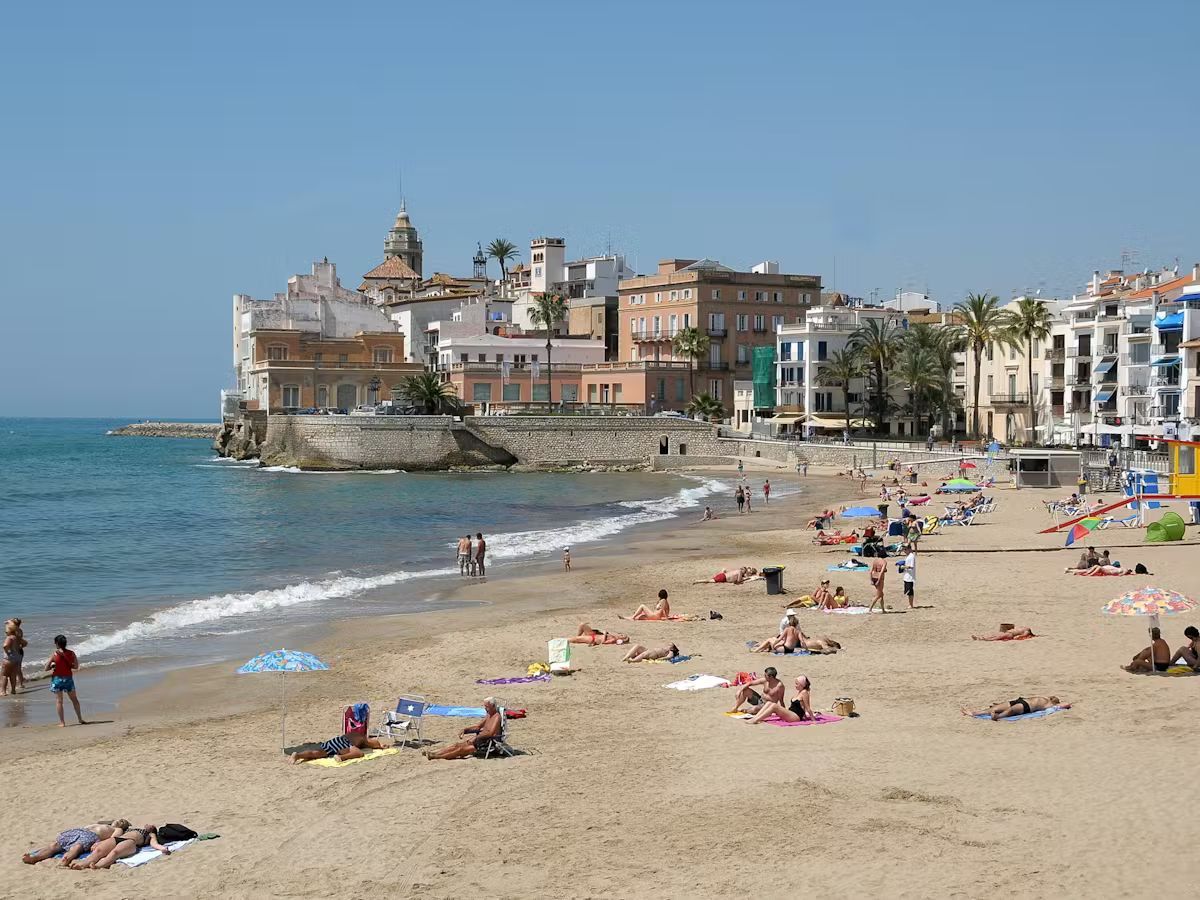
Sitges offers a distinct blend of beach life, culture and visibility that has made it one of the most established gay beach destinations in Europe. Located just 40 minutes from Barcelona, it attracts travellers who want the ease of a seaside town with the energy of a city close by. That balance is a big part of its long-term appeal.
The town’s main gay beaches are Balmins and Ribera, both within easy walking distance of the centre. Balmins is known for its relaxed atmosphere and partially nudist areas, while Ribera feels more social and sits closer to cafés and bars. Together, they create a flexible beach experience that suits different moods throughout the day.
What sets Sitges apart is how naturally gay life fits into the wider town. Beaches, restaurants and nightlife flow into one another without effort. You can spend the afternoon by the sea, walk back for a shower, then head straight out for dinner or drinks without needing taxis or long journeys.
The crowd in Sitges is mixed and international. You’ll find couples, solo travellers and groups of friends sharing the space comfortably. Conversation comes easily, and there is a strong sense of familiarity, especially during busier summer months when many visitors return year after year.
The Beach Experience in Sitges
Space on Sitges beaches is more limited than in places like Maspalomas, which creates a closer, more communal feel. Sunbeds and towels sit nearer together, and that proximity encourages interaction without feeling intrusive. For many travellers, this is part of the charm.
Music from nearby bars often drifts onto the sand, particularly in the afternoon. The atmosphere feels upbeat but not overwhelming, making it easy to relax or socialise as you choose. Early mornings are calmer, while late afternoons bring more energy and conversation.
Because the beaches sit so close to town, Sitges works especially well for shorter trips or combined holidays. It’s easy to mix beach time with sightseeing in Barcelona or cultural events in the town itself.
How Gay Friendly Is Sitges?
Sitges is confidently and visibly gay-friendly. Same-sex couples are openly affectionate both on the beach and in town, and this draws little attention. Local businesses are used to LGBT+ travellers and treat them with ease and respect.
Spain’s strong legal protections for LGBT+ people contribute to a sense of security, but Sitges goes further by offering genuine community. For travellers who want beach relaxation without leaving nightlife, dining and culture behind, Sitges remains one of the most reliable options in Europe. Sitges works particularly well for travellers who enjoy combining the coast with culture, something also highlighted in our collection of
LGBT+ beach destinations.
Elia Beach, Mykonos
Laid-Back Luxury on One of Greece’s Most Open Shores
Elia Beach sits on the quieter side of Mykonos and offers a very different experience from the island’s famous party beaches. While Mykonos is widely known for nightlife, Elia stands out for its balance of calm, comfort and subtle social energy. For many travellers, it represents a softer introduction to gay beaches in Europe.
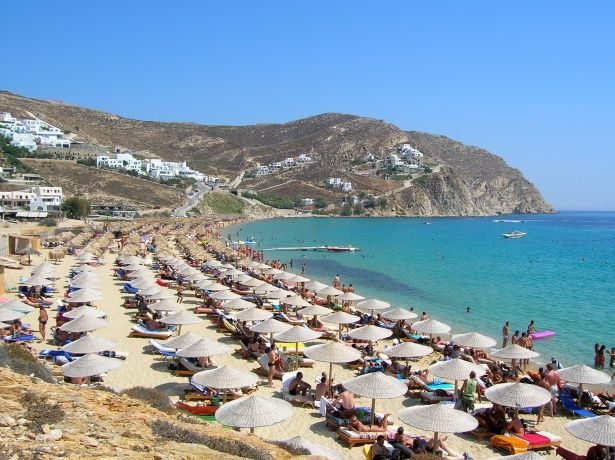
The beach itself is long, wide and naturally beautiful, with pale sand and clear water. The gay-friendly area is not formally marked, but it is well understood. Over time, a regular LGBT+ presence has shaped the atmosphere, making it feel welcoming without being overtly crowded or performative.
Elia attracts a slightly older and more relaxed crowd compared to Mykonos Town beaches. That doesn’t mean it feels dull. Instead, conversations flow easily, and the mood remains gently social throughout the day.
The Beach Experience at Elia
Elia Beach offers both organised sunbeds and free areas, allowing visitors to choose how structured they want their day to be. Many gay travellers prefer the less commercial sections, where the atmosphere feels more natural and unforced.
Nudity is common but not universal. Some visitors sunbathe nude, others do not, and neither choice stands out. That quiet acceptance is part of what makes Elia appealing. There is no pressure to participate in any particular way.
Beach bars and restaurants lean toward a relaxed, upscale style. Service is calm and professional, and the pace suits long lunches and slow afternoons. Music, when present, is kept low enough to allow conversation. Elia Beach also appears in our curated selection of gay island holidays, which focus on destinations with strong LGBT+ beach culture and social life.
Getting to and Staying Near Elia
Elia is further from Mykonos Town than some other beaches, so planning matters. Many visitors choose to stay nearby or rent a car to avoid relying on limited public transport. That extra effort is often rewarded with a more peaceful experience.
Accommodation around Elia tends to be boutique-style hotels and private villas. These suit couples and solo travellers looking for privacy rather than constant nightlife. If you want evening entertainment, Mykonos Town is still accessible by taxi.
How Gay Friendly Is Elia Beach?
Elia Beach is quietly and confidently gay-friendly. While it is not exclusively gay, LGBT+ travellers are clearly visible and fully at ease. Same-sex couples feel comfortable, and solo visitors rarely feel out of place.
Greece’s legal and social environment has improved steadily, and Mykonos remains one of the country’s most progressive destinations. Elia reflects that openness without relying on labels or signage.
It’s ideal for travellers who want a gay-friendly beach without the intensity of a party scene.
Es Cavallet, Ibiza
Natural Beauty with a Strong Gay Identity
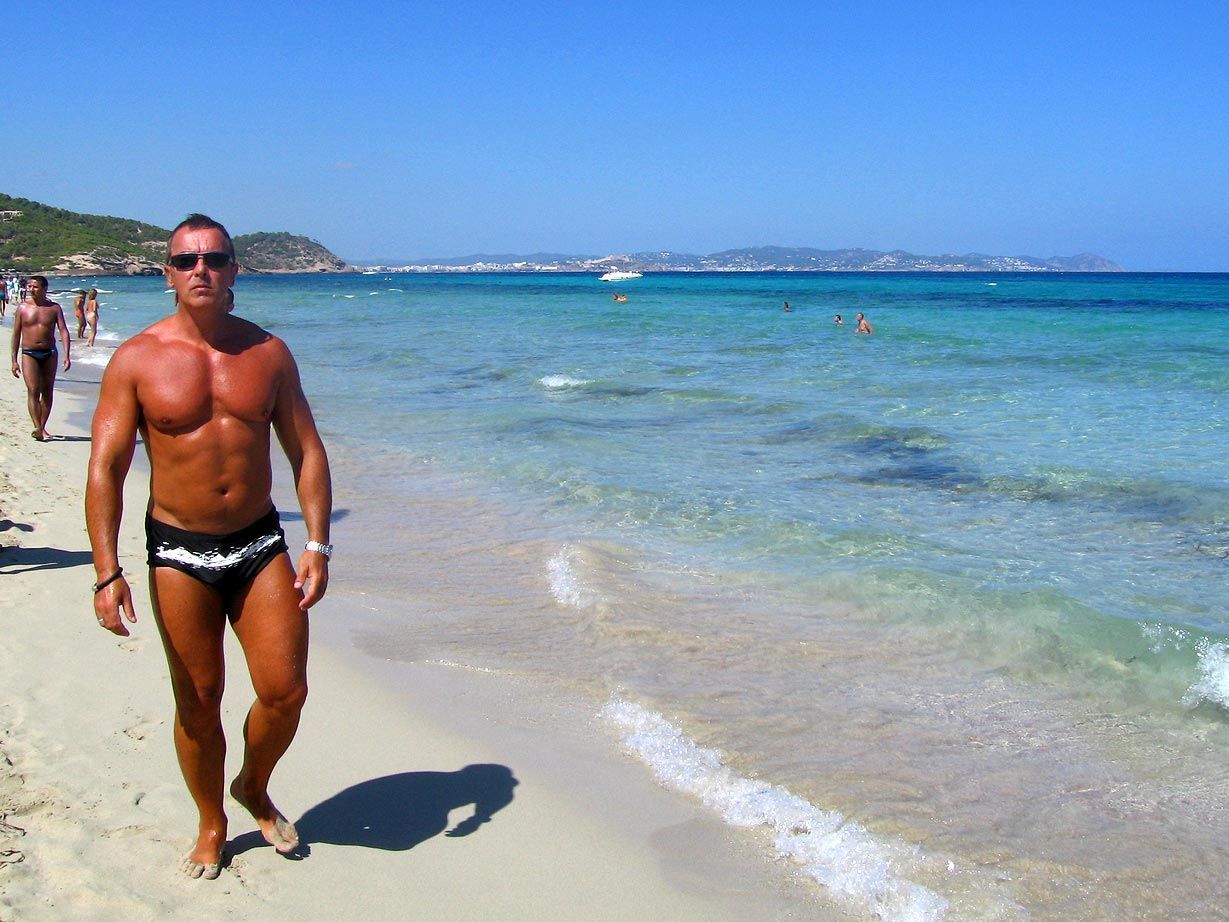
Es Cavallet is one of the most iconic gay beaches in Europe, combining protected natural surroundings with a well-established LGBT+ presence. Located within a nature reserve in southern Ibiza, it feels both wild and social at the same time.
The beach is officially recognised as gay-friendly, which gives it a clear identity. That recognition has helped preserve its role as a gathering place for the LGBT+ community, even as Ibiza itself has changed over the years.
Es Cavallet attracts a broad mix of visitors. You’ll find locals, international travellers, couples and groups sharing the space comfortably. The diversity adds to the sense of openness rather than diluting it.
What Sets Es Cavallet Apart
One of Es Cavallet’s defining features is its setting. The surrounding dunes and salt flats create a feeling of distance from the rest of the island. That separation allows visitors to relax more fully.
Nudity is common along large sections of the beach, particularly toward the quieter ends. This is widely accepted and forms part of the beach’s culture. However, remaining clothed is equally normal near the main areas.
The social energy tends to build gradually through the afternoon. Conversations start easily, and the beach often feels more animated later in the day without becoming overwhelming.
Food, Facilities and Atmosphere
A well-known beach restaurant near the main entrance serves food and drinks throughout the day. It’s popular with gay travellers and offers a comfortable place to take breaks from the sun.
Facilities are simple but sufficient. What Es Cavallet lacks in polish, it makes up for in authenticity. This is not a curated experience. It feels organic and long-standing.
The mix of nature and community is what keeps people returning. Many visitors include Es Cavallet as a non-negotiable stop on every Ibiza trip.
How Gay Friendly Is Es Cavallet?
Es Cavallet is openly and proudly gay-friendly. Public affection is normal, and the atmosphere is relaxed rather than watchful. The beach has been part of Ibiza’s LGBT+ landscape for decades.
Ibiza itself is accustomed to diversity, and Es Cavallet reflects that history. Visitors rarely report feeling uncomfortable or out of place here.
For travellers seeking a beach that feels genuinely rooted in gay culture, Es Cavallet remains one of the strongest options in Europe.
Praia 19, Costa da Caparica, Portugal
Lisbon’s Open-Minded Beach Escape
Praia 19 is one of Portugal’s most well-known gay beaches and a strong contender among the best gay beaches in Europe. Located south of Lisbon, near Costa da Caparica, it offers a relaxed and welcoming alternative to more commercialised destinations.
The beach sits within a protected natural area, which gives it a raw, undeveloped feel. Reaching Praia 19 requires a short walk from the car park or public transport stop, but that small effort helps filter the crowd. The result is a calmer, more intentional beach community.
Praia 19 has long attracted gay men, lesbians and trans travellers, creating a visibly mixed LGBT+ space. That diversity contributes to an atmosphere that feels inclusive rather than narrowly defined.
The Experience at Praia 19
The beach is wide, sandy and largely untouched by heavy development. There are no rows of large hotels or loud venues nearby. Instead, the focus is on nature and personal space.
Nudity is common and widely accepted, especially further from the main access points. Many visitors see this as part of the beach’s appeal, as it reinforces a sense of freedom and body confidence. That said, there is no pressure to participate.
The social atmosphere is understated. People chat, relax and read, with occasional bursts of conversation among regulars. Praia 19 suits travellers who enjoy connection without intensity.
Access and Practical Advice
Praia 19 is accessible from Lisbon by car or train, followed by a short walk. Many visitors combine it with a city break, which makes it an appealing option for travellers who want both culture and beach time.
Facilities are minimal, so planning ahead is important. Bring water, sunscreen and snacks, especially during hotter months. That simplicity is part of what keeps the beach feeling authentic.
Accommodation is usually based in Lisbon or Costa da Caparica rather than directly on the beach. This works well for travellers who prefer flexibility and evening dining options.
How Gay Friendly Is Praia 19?
Praia 19 is openly and confidently gay-friendly. LGBT+ visitors are the majority here, and the environment feels relaxed and non-judgemental. Public affection is normal and unremarkable.
Portugal’s social climate is generally progressive, and Praia 19 reflects that attitude clearly. Solo travellers often comment on how easy it is to feel comfortable here, even on a first visit.
For travellers looking for a quieter, more natural gay beach experience in Europe, Praia 19 stands out.
How to Choose the Right Gay Beach in Europe
Not all gay beaches in Europe offer the same experience, and that’s a good thing. Choosing the right destination depends on what you want from your holiday, not just reputation.
If you value scale, visibility and social consistency, Maspalomas remains hard to beat. It offers reassurance, especially for first-time gay travellers or those travelling alone.
If you prefer style, conversation and proximity to culture, Sitges delivers a balance of beach and town life. It works well for shorter breaks and mixed itineraries.
Elia Beach suits travellers who enjoy calm surroundings with subtle social energy. It’s ideal if you want a gay-friendly beach without a heavy party atmosphere.
Es Cavallet is best for those who want a beach with deep roots in gay culture and a strong sense of identity. It appeals to confident travellers who enjoy nature alongside community.
Praia 19 is perfect for visitors seeking simplicity, openness and a slower pace. It pairs especially well with a city break in Lisbon.
Understanding these differences helps avoid disappointment and ensures your beach time matches your expectations.

Jamie Says:
"The right beach can change how a holiday feels. Once we understand what someone actually wants, choosing becomes much easier.”
Booking Confidence: What to Know Before You Go
Travelling with confidence matters — especially when your holiday is about feeling safe, seen and comfortable. When you book a trip centred on gay beaches in Europe, the beach is only part of the experience. How you book, where you stay, and what protections you have in place can make a big difference to peace of mind.
Here’s how to think about bookings in a way that protects your plans and supports a smooth travel experience:
First, choose accommodation that has a strong reputation with LGBT+ travellers. Look for guest reviews that mention inclusivity, respectful staff and a sense of welcome. Gay-friendly hotels, guesthouses and apartments near your chosen beach help reduce stress on arrival and make it easier to settle in quickly.
Second, understand cancellation and change policies before you pay. European destinations can have weather or travel-related disruptions, particularly outside peak summer months. Clear flexible options help you stay in control without penalty.
Third, check what travel assistance services are included with your booking. Good protection covers things such as emergency support, local guidance if plans change, and help if an unforeseen issue arises. When you book with providers who specialise in LGBT+ travel, you gain access to teams who understand your expectations and priorities.
Finally, think about local transport and access to the beach. Some beaches like Elia or Praia 19 are not directly adjacent to major city centres. Planning transfers or car hire ahead of time prevents last-minute hassle and ensures you arrive ready to relax.
Good planning isn’t just about logistics. It is about creating space to enjoy your holiday without worry. Many travellers pair beach time with carefully chosen accommodation, which is why understanding why gay-friendly hotels are the way to go can make a real difference to how relaxed a holiday feels.
Ready to Plan Your Trip?
Choosing the right gay beaches in Europe means understanding what kind of holiday you want. Whether you seek lively conversation, serene nature, visible community or a blend of culture and coast, Europe offers options that fit your style. For additional context on legal rights and social acceptance, ILGA Europe provides an annual overview of LGBT+ equality trends across the continent.
From the social heart of Maspalomas to the natural calm of Praia 19, and from stylish Sitges to iconic Es Cavallet and Elia Beach, your ideal beach experience is waiting.
If you’d like personalised support planning your next beach escape — with protections, tips and LGBT+ travel expertise — we’re here to help.
📧 reservations@wideawakeholidays.co.uk
🌐 www.wideawakeholidays.co.uk
📞 01495 400947
Send an Enquiry
We will get back to you as soon as possible.
Please try again later.
Frequently Asked Questions
1. What are the best gay beaches in Europe?
Some of the most popular include Maspalomas in Gran Canaria, Elia Beach in Mykonos, Sitges near Barcelona, Es Cavallet in Ibiza and Praia 19 near Lisbon. Each offers a different mix of atmosphere, social density and scenery.
2. When is the best time of year to visit these beaches?
Summer months — roughly June to September — offer the warmest weather and busiest social scene. Shoulder seasons like May and October can be quieter and more relaxed, with mild temperatures.
3. Are these beaches safe for solo gay travellers?
Generally, yes. These destinations have established LGBT+ communities and attract visitors specifically for gay-friendly beach experiences. Standard travel safety precautions still apply, as they do anywhere.
4. Is nudity common on gay beaches in Europe?
Nudity is accepted on many such beaches, especially in areas like Maspalomas’ dunes, Elia Beach and Es Cavallet. However, it is always optional and never compulsory.
5. Can I combine a beach holiday with culture and nightlife?
Absolutely. Sitges is ideal for mixing beach time with town life and nightlife. Ibiza has a strong social scene. Lisbon plus Praia 19 pairs beach relaxation with a vibrant city break.
6. Do I need a car to access these beaches?
It depends. Maspalomas and Sitges have good public transport options. Elia and Praia 19 may be easier with a car, though taxis and transfers are available.
7. Are these beaches family-friendly?
Some, like Sitges or Maspalomas, have sections that families also enjoy. Others, especially those with a strong gay culture, may feel more adult-oriented.
8. How crowded do these beaches get in peak season?
Popular destinations can be busy in July and August. Arriving early in the day or visiting shoulder months helps beat the crowds and enjoy more space.
9. What should I pack for a European gay beach holiday?
Essentials include sunscreen, a hat, comfortable footwear for sandy stretches, a reusable water bottle and a lightweight cover-up for sun breaks. If you plan to visit nightlife or restaurants, smart casual clothing is advisable.
10. Are these beaches LGBT+ friendly year-round?
While the climate and tourist services are most active in summer, many local businesses and communities remain welcoming year-round. Off-season visits offer quieter experiences but check seasonal opening times for bars and transport.
Some of our Latest Offers
Discover our latest hand-picked travel offers below – automatically updated and inspired by the destinations featured in this blog.