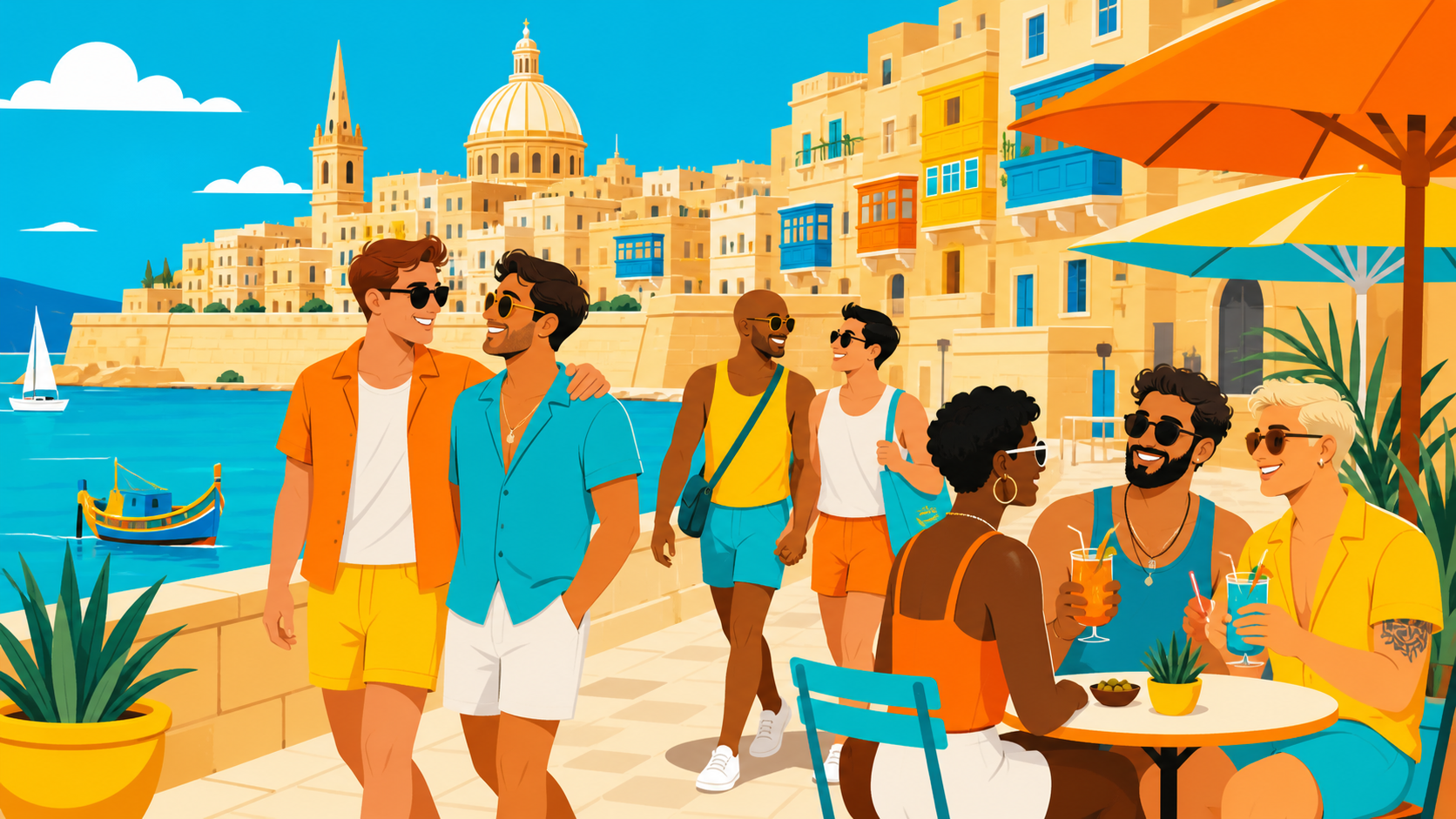

Why Bali Is a Dream Destination for LGBT+ Travellers
Why Bali Is a Dream Destination for LGBT+ Travellers
Why Bali Is a Dream Destination for LGBT+ Travellers
Gay Holidays to Bali work well for LGBT+ travellers because Bali is set up for tourism, accustomed to international visitors, and tolerant in the places where travellers actually stay. That combination is not common in Asia and explains why Bali continues to attract gay couples, solo travellers, and honeymooners year after year.
Bali is part of Indonesia, a country with conservative laws and social attitudes, but Bali operates differently in practice. The island is economically dependent on tourism, and hotels, restaurants, drivers, guides, and resorts are used to hosting same-sex couples. In tourist areas, staff professionalism matters more than personal views, and service is generally neutral, respectful, and consistent. LGBT+ travellers are not singled out, questioned, or treated differently when booking accommodation or joining tours.
What Bali does not offer is visible LGBT+ culture across the whole island. You should not expect Pride events, widespread public displays of affection, or openly gay neighbourhoods outside specific areas. Public behaviour is conservative for everyone, including straight couples, and discretion is part of local social norms. For most travellers, this is a manageable adjustment rather than a limitation, especially when balanced against the quality of accommodation, the ease of getting around, and the range of experiences available in one trip. Travellers who want broader context around planning LGBT+ travel in the region may also find this guide to gay holidays to Asia helpful for understanding how Bali fits into wider Asian travel.
Bali suits LGBT+ travellers who want a holiday that feels straightforward rather than political. You can stay in high-end resorts, eat well, explore culture, and relax without having to explain yourself or constantly assess risk. The key is choosing the right areas to stay, which makes a significant difference to how comfortable and social your trip feels.
Seminyak: The Most Comfortable Base for Gay Travellers
Seminyak is the easiest and most reliable area in Bali for LGBT+ travellers. It has the highest concentration of international visitors, established nightlife, and accommodation that is used to hosting same-sex couples without issue.
This is where Bali’s small but visible gay scene is based. Gay bars are limited in number, but they are well known, easy to access, and attract a mix of local expats and international travellers. You do not need to search hard or rely on underground recommendations. Venues are open, casual, and designed for visitors rather than locals.
Seminyak also works well during the day. The area is compact, flat, and easy to get around on foot or by short taxi rides. Beach clubs, cafés, spas, and shops are clustered together, which makes planning simple and reduces the need for long journeys.
Accommodation is a major advantage here. Seminyak offers a wide range of options that are comfortable for LGBT+ travellers, including:
- International hotel brands with clear non-discrimination policies
- Boutique hotels popular with gay couples
- Private villas where privacy is guaranteed
Booking as a same-sex couple is routine in Seminyak. Front desk staff are professional and transactional, and room allocations or booking questions rarely cause issues. Twin or double beds are treated as a preference, not a problem. If choosing the right resort area is a priority, this breakdown of gay-friendly Bali resorts, bars and culture offers a deeper look at where travellers feel most comfortable.
Socially, Seminyak feels neutral rather than expressive. Same-sex couples are common in restaurants and beach clubs, but public affection is low-key. This matches the local norm and helps avoid unwanted attention. Most LGBT+ travellers describe Seminyak as comfortable rather than celebratory.
Seminyak suits travellers who want:
- Easy nightlife without needing a car
- Reliable accommodation standards
- A social environment that does not require effort to navigate
It is particularly popular with first-time visitors to Bali and those combining relaxation with some nightlife. Many itineraries start here before moving to quieter or more scenic parts of the island.
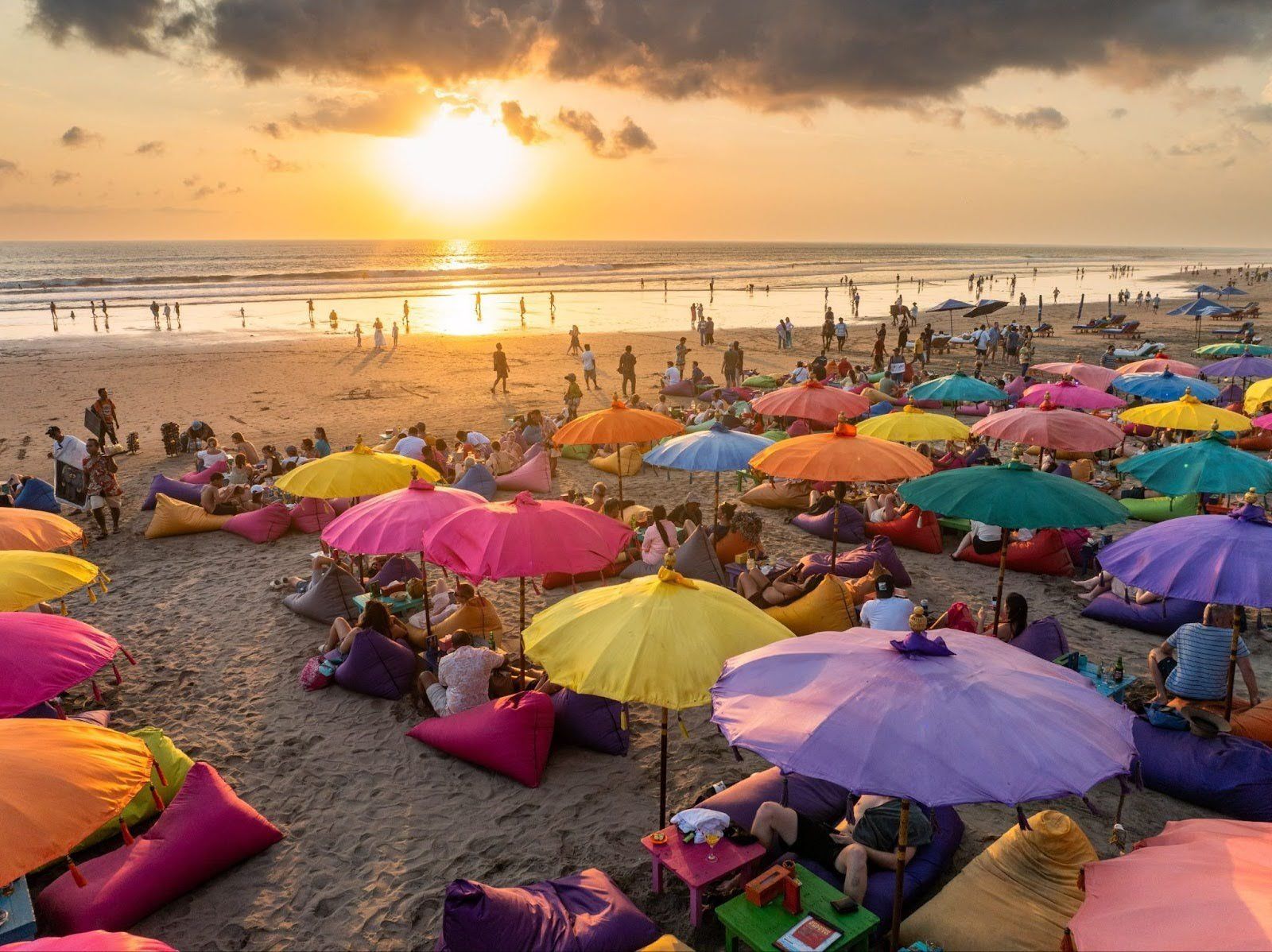
Canggu and Uluwatu: Lifestyle Areas Rather Than Gay Hubs
Canggu and Uluwatu attract LGBT+ travellers who are less focused on nightlife and more interested in beaches, scenery, and daily routine. These areas are not gay hubs, but they are commonly included in gay itineraries because they feel open, international, and low pressure.
Canggu is popular with younger travellers, digital nomads, and long-stay visitors. It has a strong café culture, plenty of casual restaurants, yoga studios, gyms, and surf beaches. The social scene is mixed rather than LGBT+-specific, but it is easy to blend in. Same-sex couples are common in cafés and beach clubs, and staff attitudes are neutral and professional.
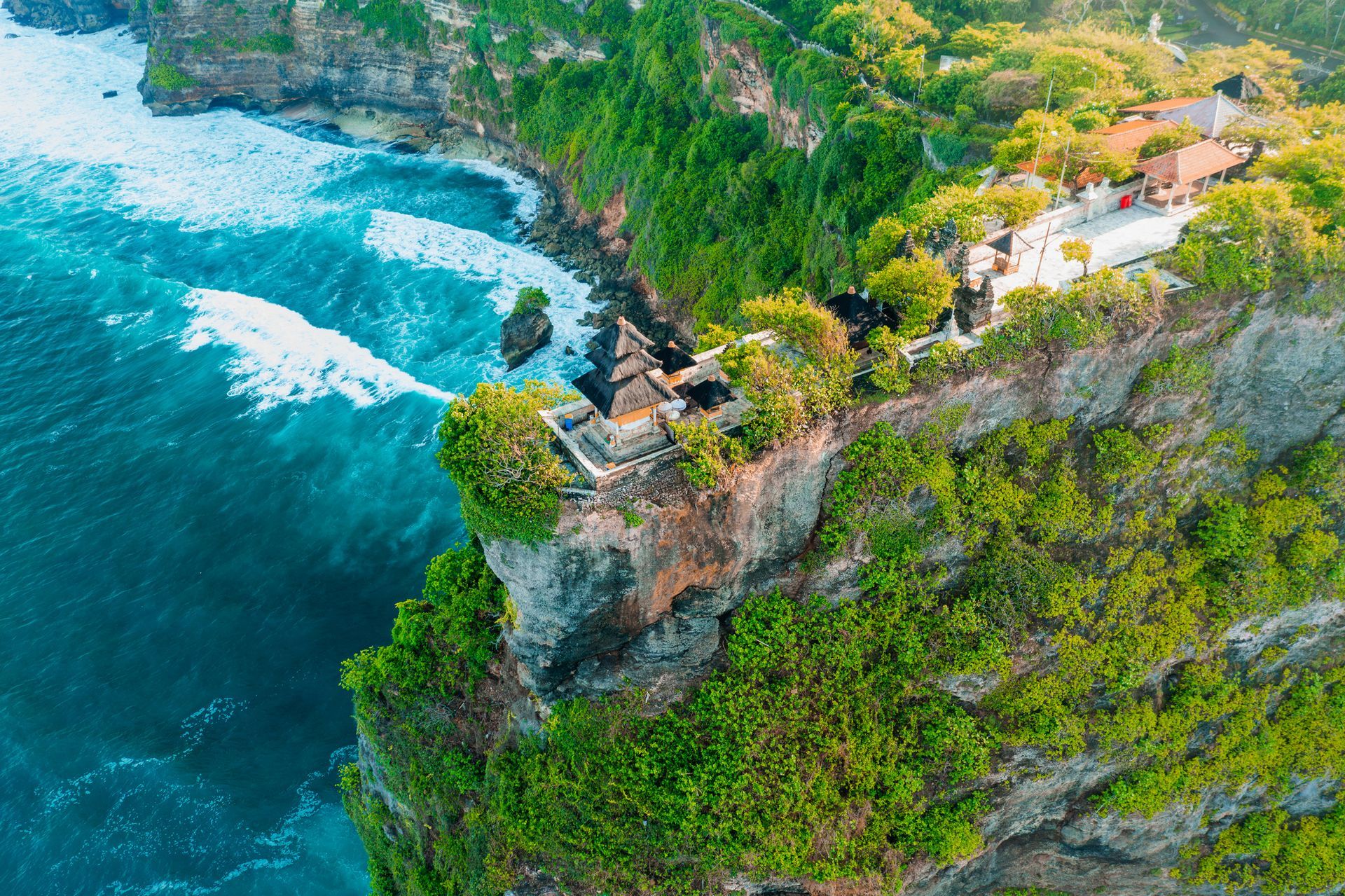
Uluwatu feels very different. It is quieter, more spread out, and focused on scenery rather than social life. Resorts and villas sit along dramatic cliffs, and most visitors stay within their accommodation or travel short distances for meals. This area suits couples who want privacy, views, and downtime rather than interaction.
Neither Canggu nor Uluwatu has a dedicated gay nightlife scene. If nightlife is important, you will need to travel to Seminyak, which usually takes 45–90 minutes depending on traffic. Most travellers accept this trade-off in exchange for space and a calmer pace.
From an LGBT+ comfort perspective, both areas are generally straightforward if expectations are realistic:
- Same-sex couples staying together in hotels or villas is normal
- Staff interactions are professional and discreet
- Public displays of affection are uncommon for all couples
These areas work best for:
- Gay couples travelling together
- Solo travellers focused on wellness or surfing
- Visitors who prefer daytime activities over nightlife
They are less suitable if you want to meet other gay travellers easily or walk to bars at night.
Many LGBT+ travellers combine areas to balance comfort and variety. A common approach is to start in Seminyak for social ease, then move to Canggu or Uluwatu for a slower second half of the trip. This reduces travel fatigue and avoids committing to one style of holiday.
Ubud: Culture, Wellness, and Quiet Comfort
Ubud appeals to LGBT+ travellers who are interested in culture, nature, and wellness rather than nightlife. It sits inland, surrounded by rice terraces and jungle, and feels very different from the beach areas of Bali.
Ubud has no gay bars and no visible LGBT+ scene. Despite this, it is a common stop on gay itineraries because it feels calm, organised, and visitor-focused. Hotels, retreat centres, and tour operators are used to hosting international guests of all backgrounds, including same-sex couples.
Most LGBT+ travellers experience Ubud as neutral and uneventful, which is generally what people want here. Same-sex couples stay together without comment, book spa treatments without awkwardness, and join group tours without being singled out. Staff interactions are formal and professional rather than social.
Ubud is particularly popular for:
- Wellness and spa breaks
- Yoga and meditation retreats
- Cultural sightseeing, including temples and markets
- Nature-based activities such as cycling and walking
Accommodation in and around Ubud tends to be spacious and private. Many resorts are set outside the town centre and offer villa-style rooms, which reduces exposure to public spaces and increases comfort for couples who value privacy.
Public behaviour in Ubud is conservative for everyone. Holding hands is common but low-key. More overt displays of affection are rare, regardless of sexuality. This reflects local custom rather than hostility and is easy to adapt to for most travellers.
Ubud suits LGBT+ travellers who want a slower pace and structured days. It works well for couples, solo travellers, and anyone adding a wellness or cultural element to their trip. It is less suitable if nightlife, socialising, or meeting other gay travellers is a priority.
Many itineraries place Ubud in the middle of a Bali trip. Travellers often move here after Seminyak or Canggu, then return to the coast at the end. This breaks up the journey and avoids spending too long in one environment.
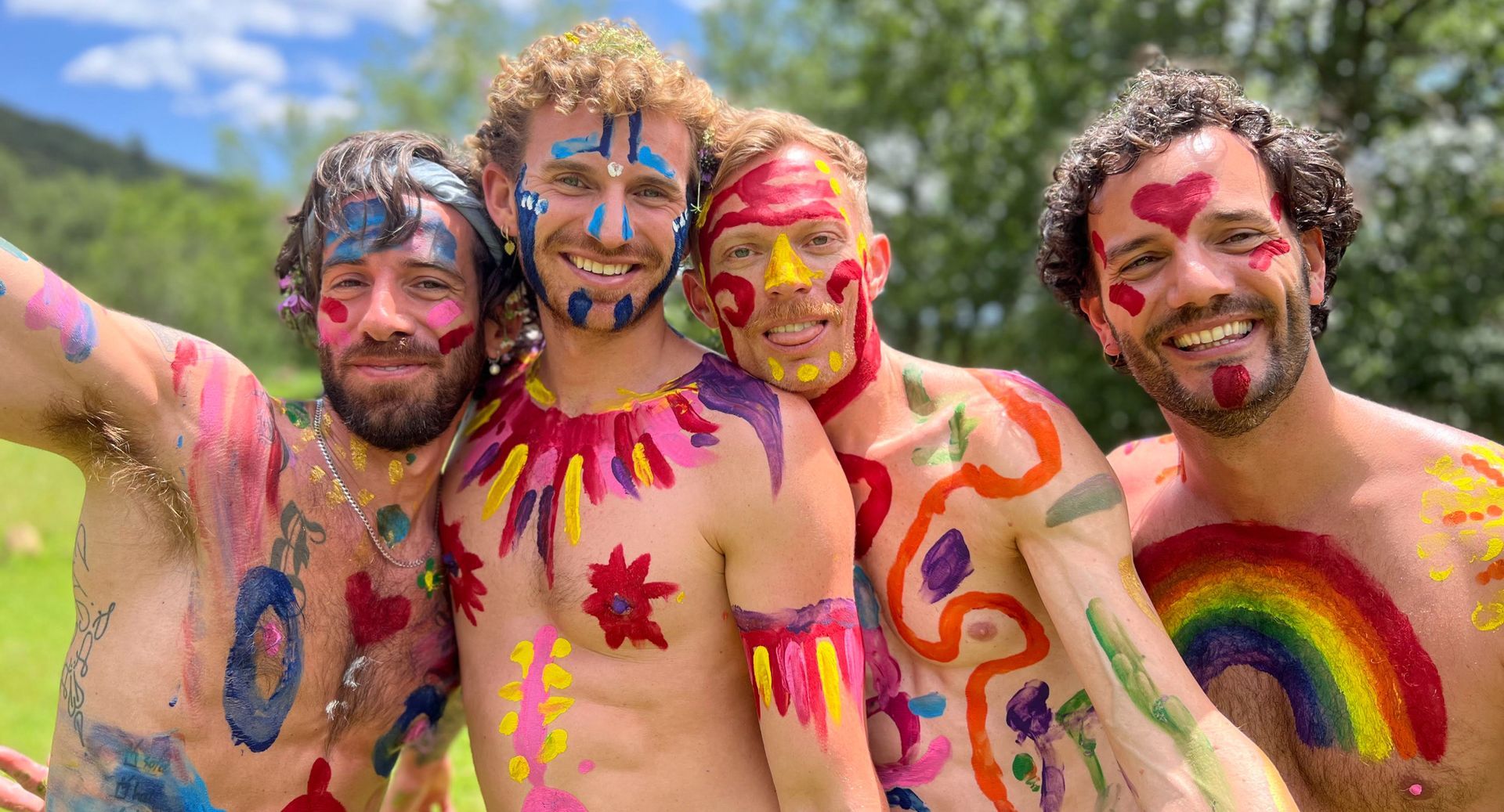
Safety and Local Attitudes for LGBT+ Travellers in Bali
Bali is generally safe for LGBT+ travellers when you understand how the island works socially. Most issues arise from misunderstandings about public behaviour rather than direct hostility.
Same-sex relationships are not illegal in Bali, but Indonesia is socially conservative. Bali’s tourism economy creates a different day-to-day reality in visitor areas, where professionalism and service take priority over personal beliefs. This is why most LGBT+ travellers report neutral or positive experiences rather than problems. Solo travellers considering Bali often find reassurance in practical guidance like this article on exploring new destinations safely as an LGBT+ traveller.
The most important factor is where you are. Tourist centres such as Seminyak, Canggu, Uluwatu, and Ubud operate very differently from rural villages. In established tourist areas, hotels and restaurants are focused on guests, not on policing behaviour.
In practical terms, LGBT+ travellers should expect:
- No issues booking rooms as a same-sex couple
- Professional, neutral treatment from hotel and tour staff
- Little to no reaction to same-sex couples dining or travelling together
Public behaviour is conservative for everyone. This is not targeted at LGBT+ travellers and applies equally to straight couples. Kissing or overt affection in public is uncommon and can attract attention regardless of sexuality.
To avoid discomfort, most experienced travellers follow a few simple guidelines:
- Keep public affection low-key in streets and local settings
- Be more relaxed inside resorts, beach clubs, and bars
- Dress modestly when visiting temples or rural areas
- Avoid confrontational behaviour if questioned, which is rare
There is no expectation to hide who you are. At the same time, Bali is not a place where open activism or visible LGBT+ expression is common outside specific venues. Travellers who understand this balance tend to have smooth, uncomplicated trips.
Police involvement with tourists is rare and usually linked to unrelated issues such as traffic violations or visa overstays. LGBT+ identity alone does not attract attention from authorities in tourist zones.
For most travellers, safety concerns are practical rather than personal. These include road traffic, scooters, and basic travel awareness, which apply to all visitors. From an LGBT+ perspective, Bali is considered low-risk when travellers stay within well-established areas and follow local norms. For up-to-date country context and cultural guidance, many travellers also consult the UK Foreign Office travel advice for Indonesia alongside specialist LGBT+ planning support.
This is why Bali continues to attract repeat visits from gay couples and solo travellers. Once expectations are clear, the destination is easy to navigate.
Who Bali Suits Best as an LGBT+ Destination
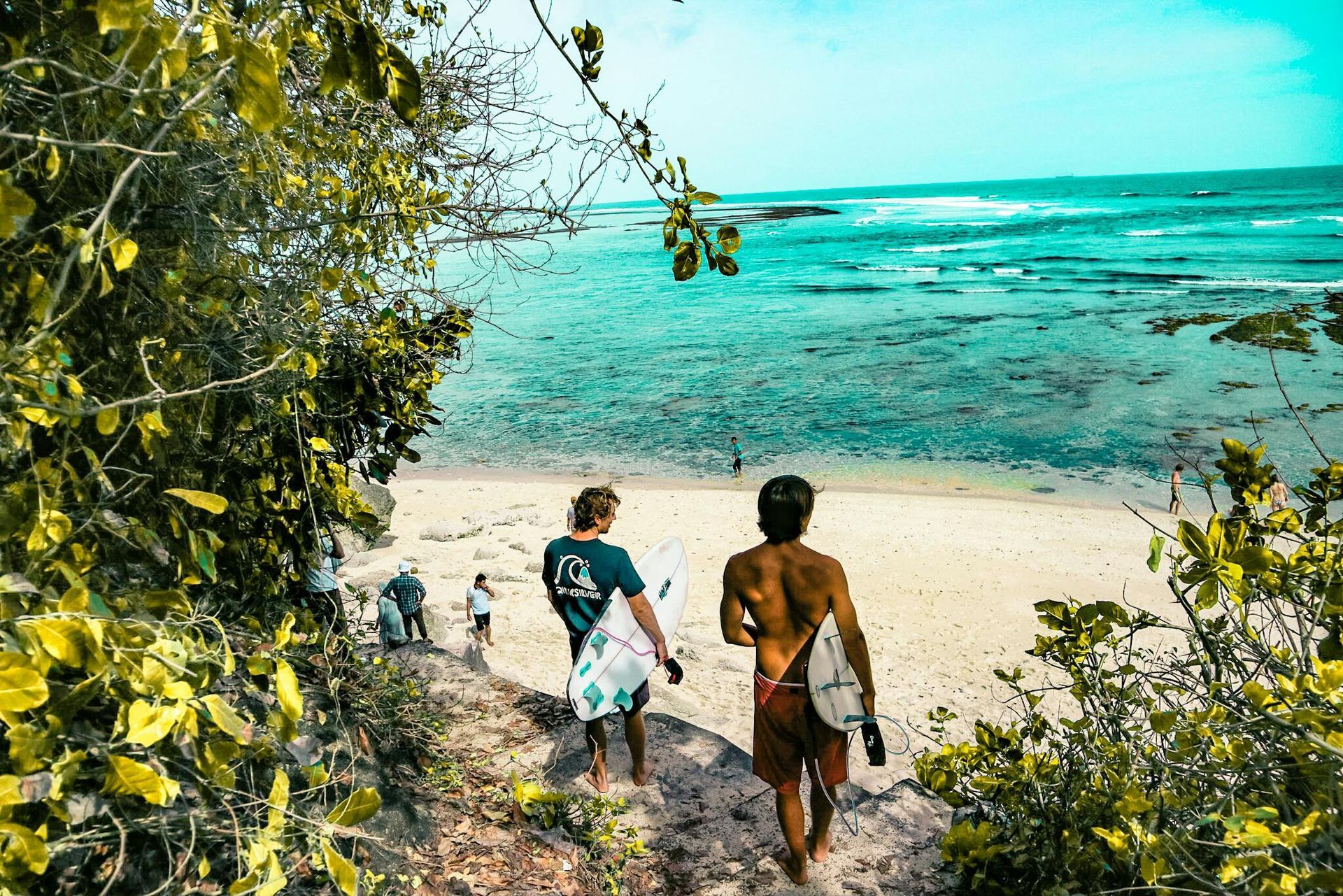
Bali works best for LGBT+ travellers who want a holiday that is straightforward rather than scene-led. It is not a destination built around gay events or visible LGBT+ culture, but it is well suited to travellers who value comfort, service quality, and variety.
Gay couples are the strongest fit for Bali. Accommodation standards are high, privacy is easy to arrange, and there is a wide choice of resorts and villas that cater naturally to couples without comment. Honeymooners often choose Bali because they can combine relaxation, scenery, and occasional social time without stress.
Solo LGBT+ travellers also do well in Bali, particularly in Seminyak and Canggu. These areas make it easy to join group activities, book tours, or spend time in cafés and beach clubs without feeling isolated. Meeting other gay travellers happens most often in Seminyak, although it is not guaranteed in the way it might be in a city destination.
Bali is less suitable for travellers whose priority is:
- A large, visible gay nightlife scene
- Pride events or organised LGBT+ festivals
- Open public expression of sexuality
Travellers looking for those experiences often prefer destinations such as Thailand’s major cities or parts of Europe.
From a planning perspective, Bali rewards travellers who move around rather than staying in one place. Distances are short, but traffic is slow, so choosing two or three bases is usually more comfortable than trying to see everything from one hotel.
A common and effective structure is:
- Seminyak at the start for social ease and nightlife
- Ubud in the middle for culture and wellness
- A quieter coastal area such as Canggu or Uluwatu at the end
This approach suits most LGBT+ travellers because it balances comfort, interest, and downtime.
Trip length matters. Bali works best with at least ten nights, especially if combining multiple areas. Shorter trips can feel rushed due to travel times and traffic.
Overall, Bali suits LGBT+ travellers who are realistic about what the destination offers. If you are comfortable with discretion in public spaces and prioritise quality accommodation, food, and experiences, Bali is a reliable and rewarding choice.
Planning Gay Holidays to Bali: Timing and Practical Tips
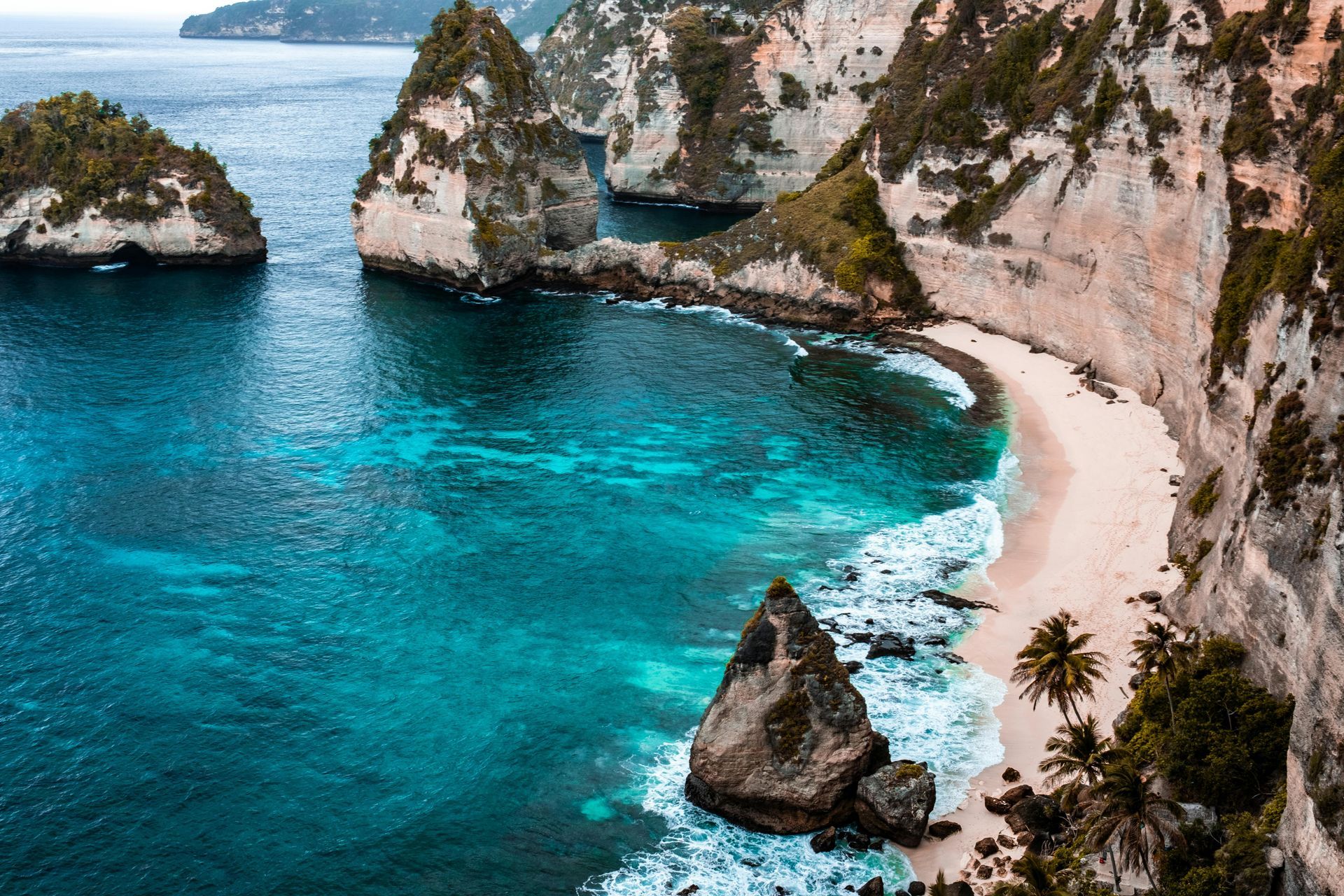
Planning Gay Holidays to Bali is mostly about timing, area selection, and managing expectations around travel times. Once those are clear, the destination is easy to organise. For travellers comparing Bali with other regional options, this overview of the best LGBTQ+ friendly resorts in Southeast Asia provides useful context on how Bali compares.
Best Time to Visit
Bali has two main seasons. The dry season runs roughly from April to October. The wet season runs from November to March.
For most LGBT+ travellers, the dry season is the easiest option. Weather is more reliable, humidity is lower, and outdoor activities are simpler to plan. This period also suits couples and honeymooners who want beach time and clear evenings.
The wet season has advantages if you are flexible. Accommodation prices are lower, the island is quieter, and rain usually falls in short bursts rather than all day. Ubud and spa-focused stays work particularly well at this time.
In simple terms:
- April to June: Good balance of weather and crowd levels
- July to August: Peak season, busiest and most expensive
- September to October: Warm, quieter, and good value
- November to March: Hot, humid, cheaper, with occasional heavy rain
There are no major LGBT+ festivals that define the calendar, so travel timing is more about climate and crowd levels than events.
Getting Around
Distances in Bali look short on a map but traffic is slow. This affects planning more than people expect.
Most travellers rely on:
- Private drivers booked by the day
- Ride-hailing apps for short journeys
- Hotel-arranged transfers between areas
Self-driving is not recommended for most visitors. Scooters are common but carry a high accident risk and are not ideal for short-term travellers.
Choosing Accommodation
From an LGBT+ perspective, choosing the right accommodation is more important than choosing the “right” hotel brand.
In practice:
- International hotels and established resorts are consistently reliable
- Villas offer privacy and flexibility for couples
- Boutique hotels in Seminyak and Canggu are used to gay travellers
Booking through a specialist who understands which properties are genuinely comfortable for same-sex couples reduces uncertainty and avoids awkward situations.
Length of Stay
Bali works best as a multi-stop trip. Most travellers are happiest with ten to fourteen nights, especially if combining beach areas with Ubud. Shorter trips are possible but can feel rushed due to transfer times.
Good planning turns Bali into a smooth, low-effort destination. Poor planning often leads to unnecessary travel and missed experiences.

Jamie Says:
"Bali works for gay travellers because it removes a lot of uncertainty. You’re not constantly wondering if a hotel will be comfortable or if staff will treat you differently. As long as you stay in the right areas and understand local norms, the experience is straightforward and relaxed. That’s why we recommend Bali so often to couples and first-time LGBT+ travellers to Asia.”
Jamie Wake, Managing Director
Booking Gay Holidays to Bali with Confidence
Bali is an easy destination to visit, but it is not always easy to plan well. The number of hotels, villas, and tour options is large, and not all properties operate to the same standards. For LGBT+ travellers, the issue is rarely overt discrimination, but uncertainty about comfort, room allocations, and how problems are handled if plans change.
This is where booking through a specialist makes a practical difference.
A specialist LGBT+ travel company such as Wide Awake Holidays focuses on destinations that are known to work for gay travellers and on accommodation partners that are already comfortable hosting same-sex couples. This removes the guesswork that often comes with booking independently.
From a planning perspective, specialist support helps with:
- Choosing areas that suit your travel style
- Avoiding hotels that are poorly managed or inconsistent
- Structuring multi-centre trips to reduce travel time
- Arranging private transfers rather than relying on ad hoc transport
There is also a practical safety aspect. When travel plans change due to weather, illness, or operational issues, having a single point of contact matters. Independent bookings often involve dealing with multiple suppliers, time zones, and policies.
Protected booking arrangements provide additional reassurance. This includes clear payment structures, supplier accountability, and support if services are disrupted. For long-haul trips such as Bali, this level of protection is particularly important, as flights, transfers, and accommodation are closely linked.
For LGBT+ travellers, the value is not about special treatment. It is about reducing friction. You should not need to explain your relationship, question whether a hotel is suitable, or worry about how an issue will be handled if it arises.
Many travellers who book Bali independently enjoy the destination but describe the planning as time-consuming and uncertain. Those who book through a specialist tend to describe the experience as smoother and more predictable, which is often the priority on a long-haul holiday.
Why Bali Continues to Work for LGBT+ Travellers
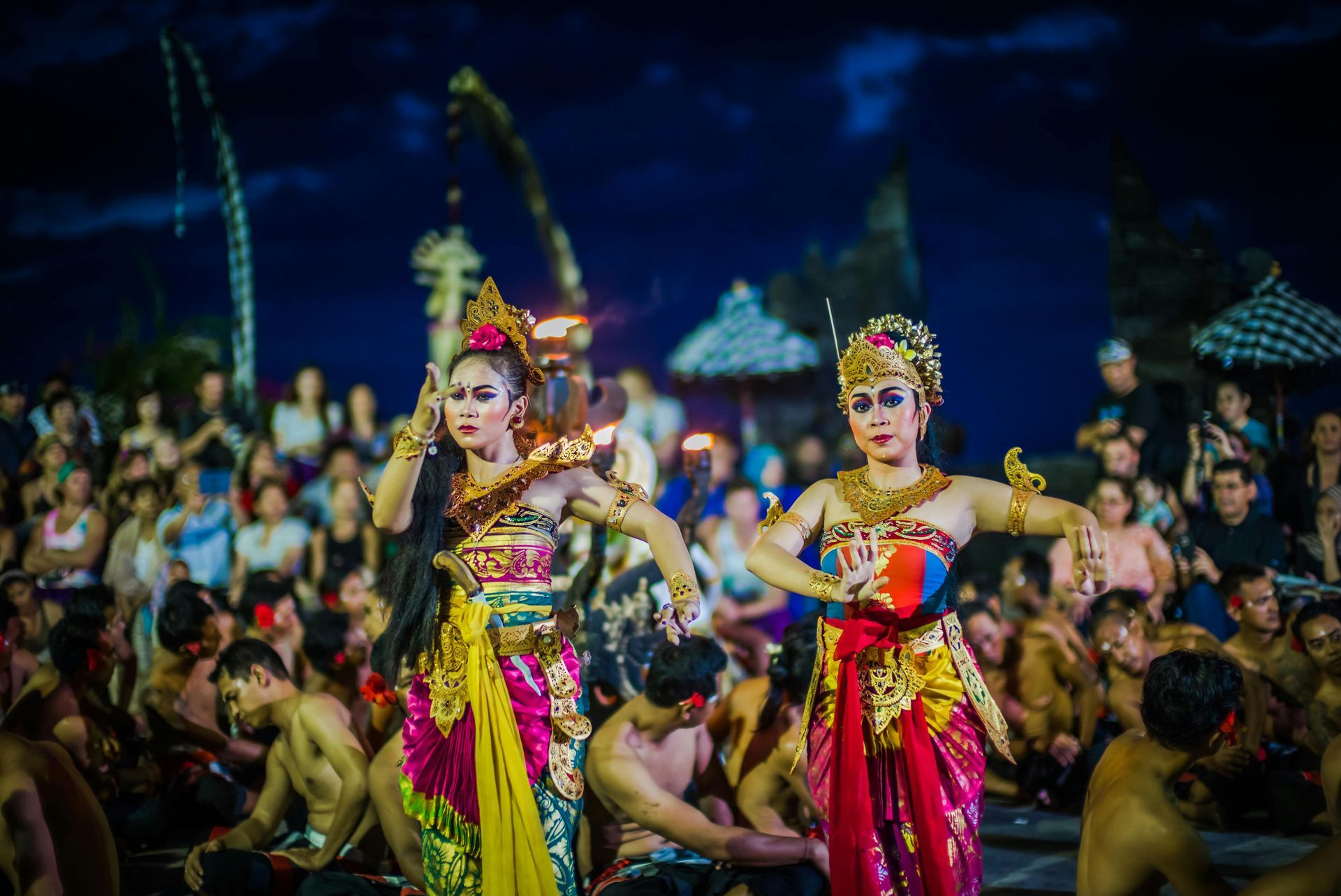
Bali is not a destination built around visible LGBT+ culture. Its appeal lies in how easily gay travellers can enjoy a high-quality holiday without friction. Good accommodation, professional service, and clear tourist infrastructure make the experience predictable and comfortable.
For travellers who understand local norms and choose their locations carefully, Gay Holidays to Bali offer a reliable balance of relaxation, culture, and value. This is why so many LGBT+ visitors return or recommend it to others.
If you want help planning a Bali trip that fits your travel style and avoids unnecessary guesswork, specialist advice can make the process simpler and more secure.
📧
reservations@wideawakeholidays.co.uk
🌐
www.wideawakeholidays.co.uk
📞
01495 400947
Send an Enquiry:
We will get back to you as soon as possible.
Please try again later.
Frequently Asked Questions
Is Bali safe for gay travellers?
Yes, Bali is generally safe for gay travellers who stay in established tourist areas. Most LGBT+ visitors experience neutral, professional treatment from hotels and service staff. Public behaviour should remain low-key, which applies to all couples.
Is it legal to be gay in Bali?
Same-sex relationships are not illegal in Bali. Indonesia has conservative laws and attitudes, but these are not actively enforced against tourists in Bali’s main visitor areas.
Can same-sex couples share hotel rooms in Bali?
Yes. Same-sex couples regularly share hotel rooms without issue in tourist areas such as Seminyak, Canggu, Ubud, and Uluwatu. Room allocation is handled as a booking preference, not a problem.
Are there gay bars in Bali?
Yes, but they are limited. Most gay nightlife is based in Seminyak. Venues are small, visitor-focused, and easy to access, but Bali is not a nightlife-led gay destination.
Is Bali good for a gay honeymoon?
Yes. Bali is particularly popular with gay honeymooners due to its resorts, villas, spas, and scenery. Privacy is easy to arrange, and service standards are high.
Can solo gay travellers enjoy Bali?
Yes. Solo travellers do well in Seminyak and Canggu, where it is easy to join tours, socialise casually, and move around independently. Meeting other gay travellers is possible but not guaranteed.
What should gay travellers avoid in Bali?
Avoid overt public displays of affection in streets or rural areas. Avoid assuming all areas are as open as Seminyak. Dressing and behaving respectfully in temples and local communities is important.
When is the best time to book Gay Holidays to Bali?
April to October is the most popular period due to drier weather. September and October offer a good balance of weather and fewer crowds. Wet season travel can be good value if flexibility is possible.
Is Bali suitable for first-time LGBT+ travellers to Asia?
Yes. Bali is often recommended as a first Asian destination for LGBT+ travellers because it is easy to navigate, tourism-focused, and familiar with international visitors.
Should I book Bali independently or through a specialist?
Both are possible, but many LGBT+ travellers prefer specialists for Bali. This reduces uncertainty around accommodation suitability, transfers, and support if plans change.
Some of our Latest Offers
Discover our latest hand-picked travel offers below – automatically updated and inspired by the destinations featured in this blog.